
In this issue:
- From the Chair: It was an Honor to Host Indiana Representatives Sen. Mike Braun and Rep. Rudy Yakym!
- David Jackson: Board Profile
- Don’t Miss These Exclusive Features at the Upcoming Blueberry Summit!
- Learn About the Chilean Growing at Destination Chile
- DOL Farmworker Protection Rule Suspended
- NABC Hosts Tour, Roundtable With FSA Administrator, Rep. Scholten
- NABC Meets With USTR Chief Ag Trade Negotiator on Blueberry Industry Priorities
- USDA Awards $1 Million+ in Specialty Crop Block Grants for Blueberry Projects
- NABC’s Alyssa Houtby Appointed to USTR, USDA Ag Trade Committee
- We’ll Shine a Light on Your Events!
From the Chair: It was an Honor to Host Indiana Representatives Sen. Mike Braun and Rep. Rudy Yakym
By Pat Goin
NABC Chair
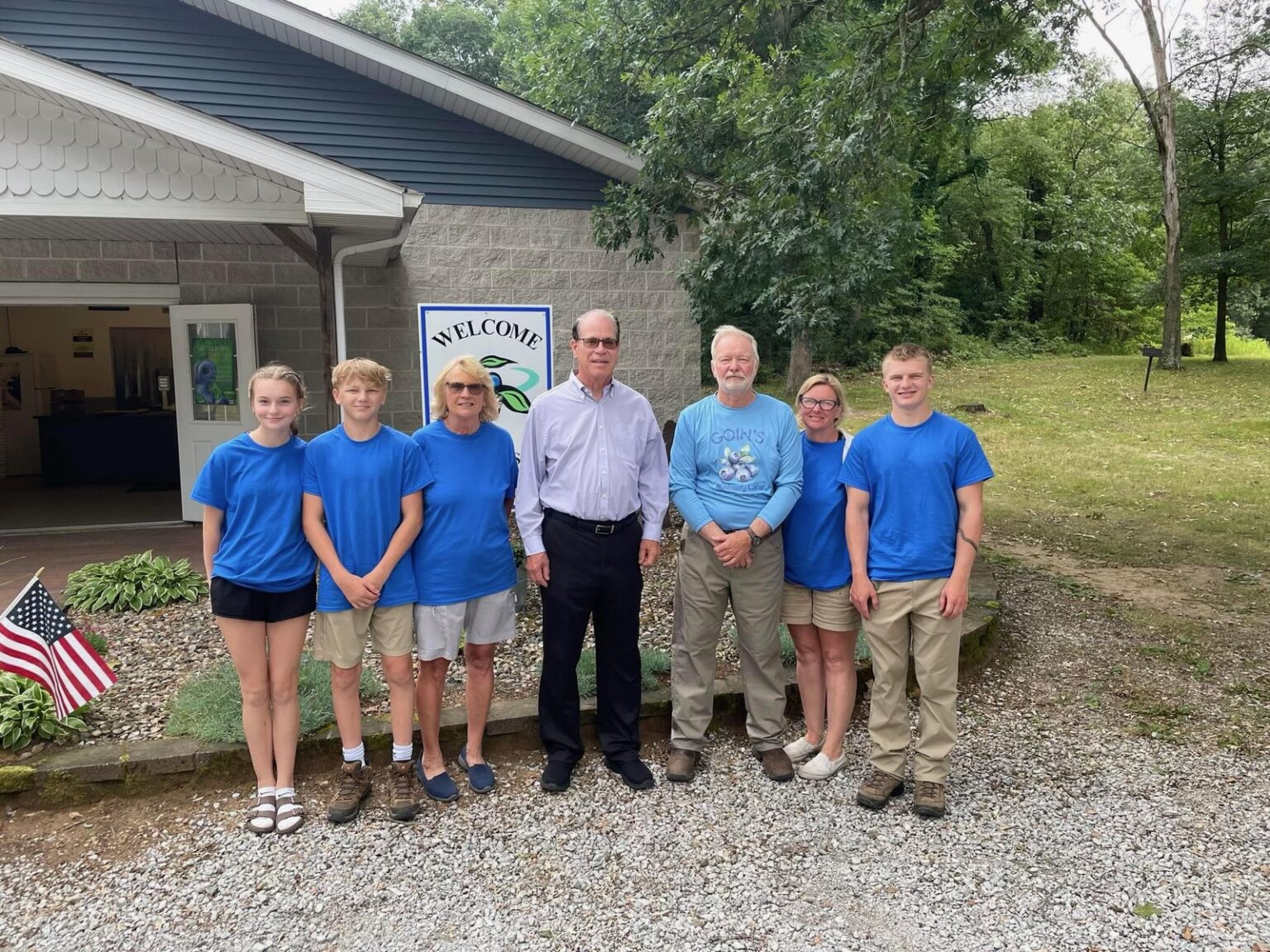
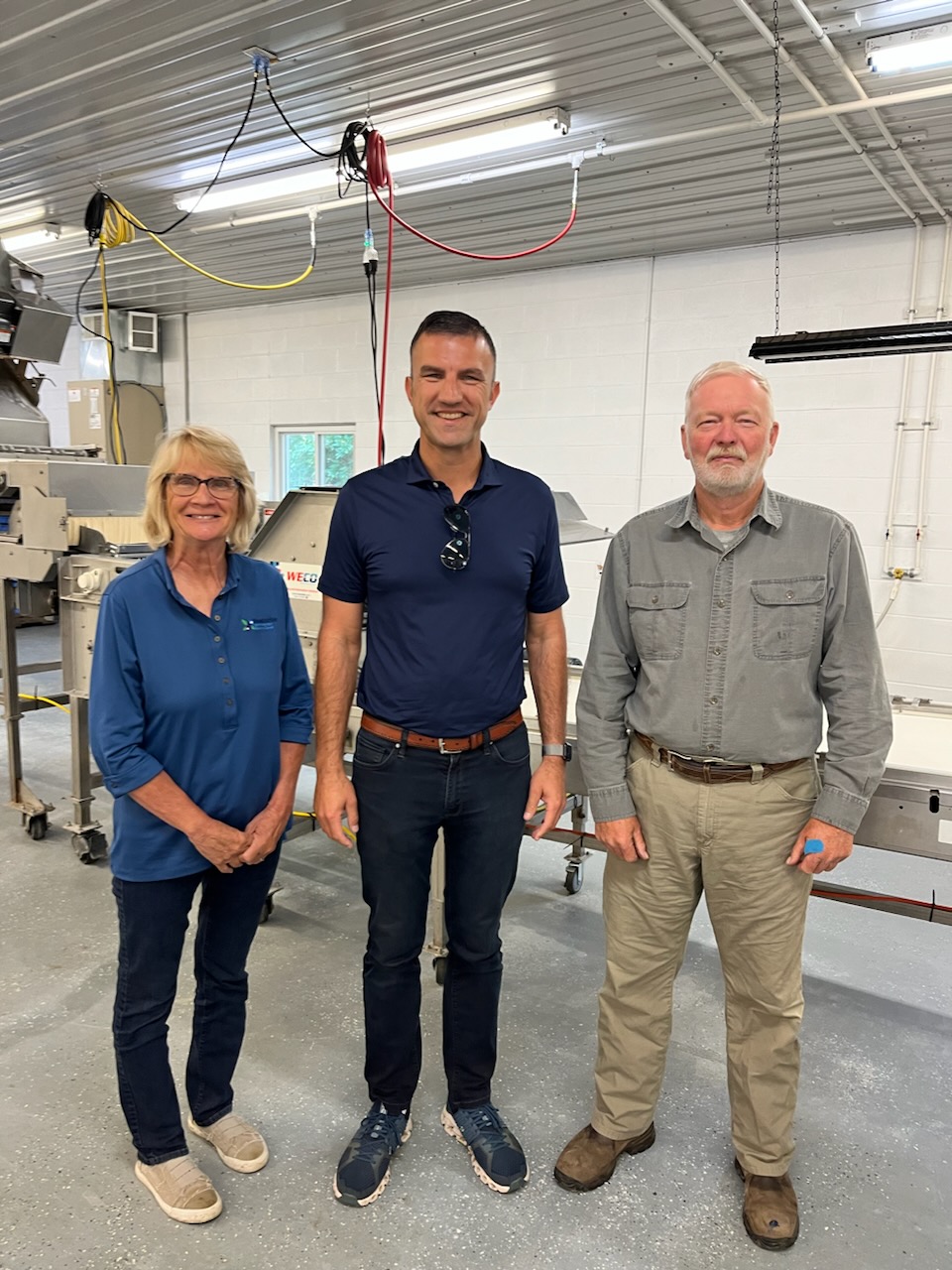
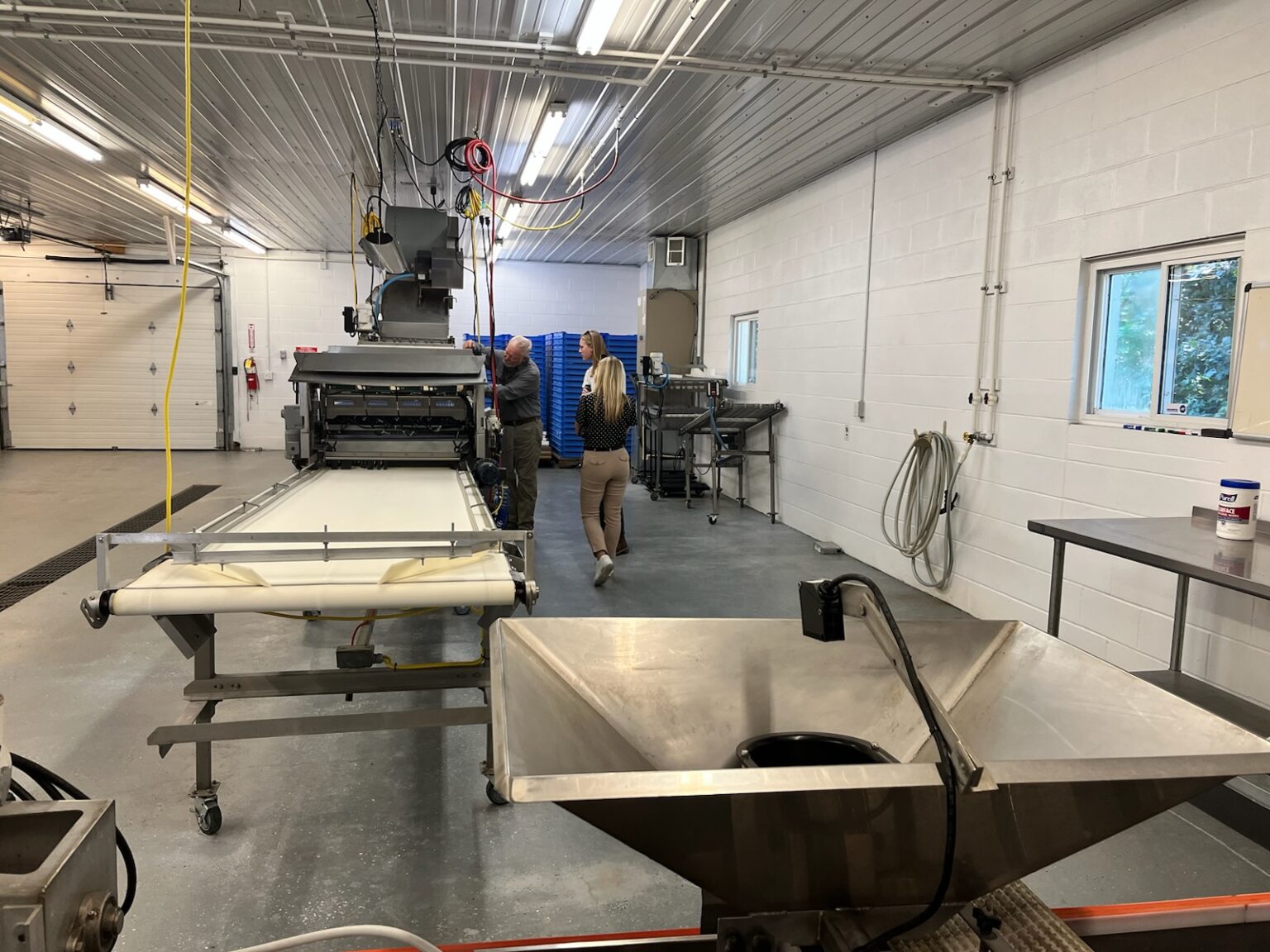
Earlier this month, Sen. Mike Braun and Rep. Rudy Yakym visited our farm to get a real sense of what’s happening in the blueberry industry. Having them stop by was an honor and an educational opportunity.
After all, it’s critical that policymakers hear growers’ stories, understand our pain points and return to Capitol Hill ready to support the blueberry industry when they can.
NABC and Alyssa Houtby, our director of government affairs, are standing by to help you arrange a visit with your representative. You can reach out directly to Alyssa at at [email protected] or (559)737-8899 for information to find out what’s involved and get the support you need to host a visit.
I encourage you to consider hosting a policymaker. I think you’ll be pleasantly surprised by the conversations you’ll have, the impact it can make and the joy you’ll find in sharing your passion!
Board Profile: David Jackson, Grower

1. What was your first job in blueberries?
In California, I grow or have grown stonefruit, table grapes, field crops, vegetables, seed crops and turkeys. Twenty years ago, I planted my first blueberries, Snowchaser and Spring High. It’s been a love affair ever since.
2. What makes you passionate about the industry?
Blueberries demand your attention to be successful. A farmer becomes attached, continually caring for their health and cultural practices.
3. What do you love about your job?
I love walking in the fields at sunrise. Looking for healthy growth, checking drip lines and inspecting leaves for pests. It’s very satisfying to know I’m growing healthy food for people.
4. What’s one of your goals for being on the board?
I enjoy meeting and getting to know blueberry farmers all across North America. I find farmers are facing the same basic problems and needs no matter their growing region. Through the NABC and USHBC, we can come together for the betterment of the blueberry industry. I enjoy being involved with people that love their work and believe in the future of blueberries. Working together, with good direction, we can sell more product at a profitable price.
5. If you weren’t in the blueberry business, what would you be doing?
Since I was a boy following my father in the fields, I wanted to be a farmer. There is nothing I’d rather be doing than growing nutritious food for people. I believe it to be a very high calling. I hope to be doing it until the last sunset.
Don’t Miss These Exclusive Features at the Upcoming Blueberry Summit!

Our events team can’t help themselves. They just keep improving the features at The Blueberry Summit, Sept. 25-27 in Denver!
You don’t want to miss the Health Halo Corner where you can learn about our recent blueberry nutrition study and its incredible findings. Plus, you can take a deeper dive into blueberry nutrition during the Health Research and Nutrition Forum on Sept. 27.
And you’ll want to spend some time at the BerrySmart Insights Activation Area where you can get the latest on real-time berry production and pricing data. The BerrySmart Insights platform provides an up-to-date benchmark of the fresh blueberry market in the U.S., helping you make data informed decisions for your organization. Get the full scoop and meet with our “Data Joe” in this informative activation area!
Both areas will be open Sept. 25 during the Welcome Reception, and Sept. 26 and 27 during our Blueberry Lane and Blueberry Row strolling hours in the Mezzanine Foyer. See the full schedule here!
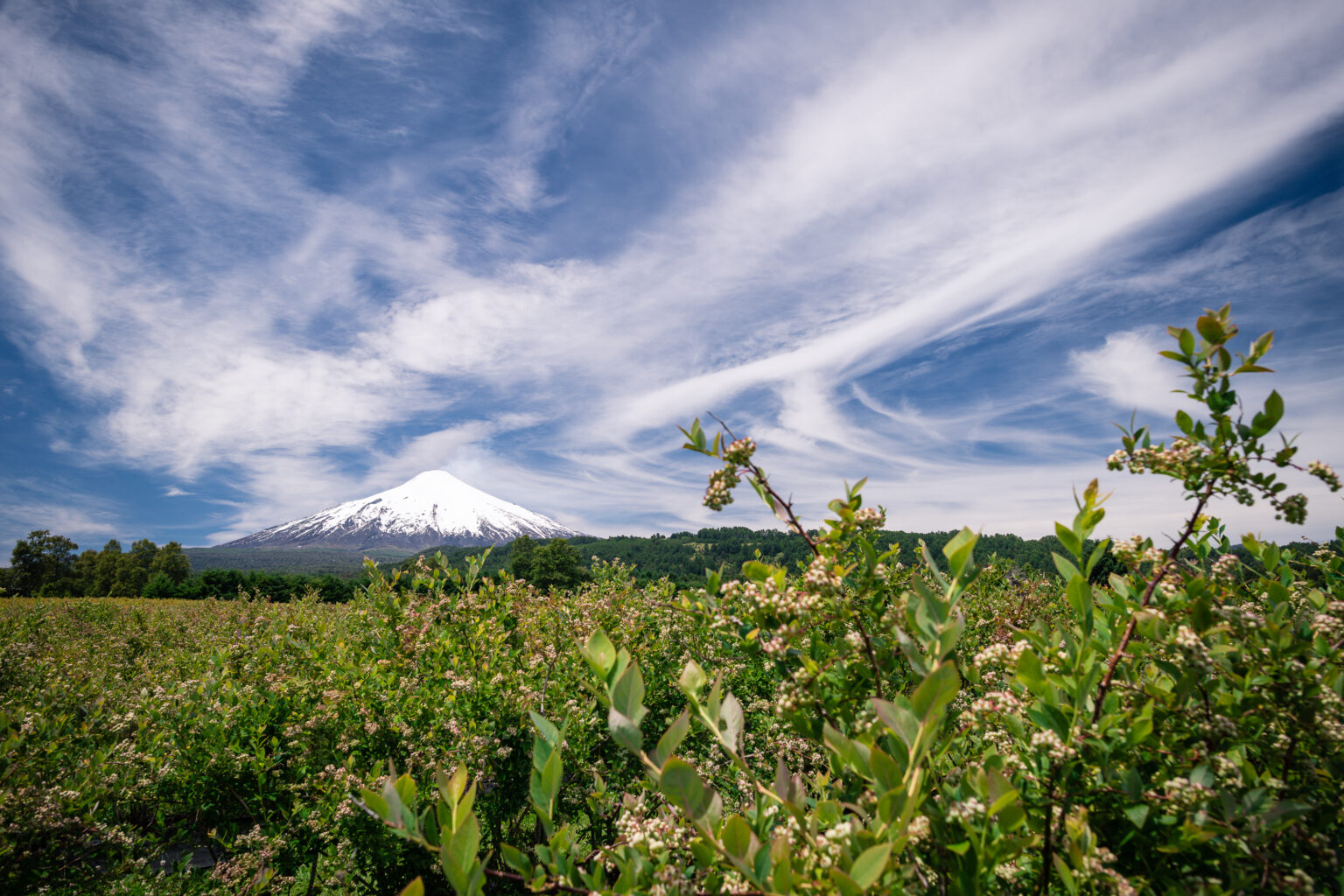
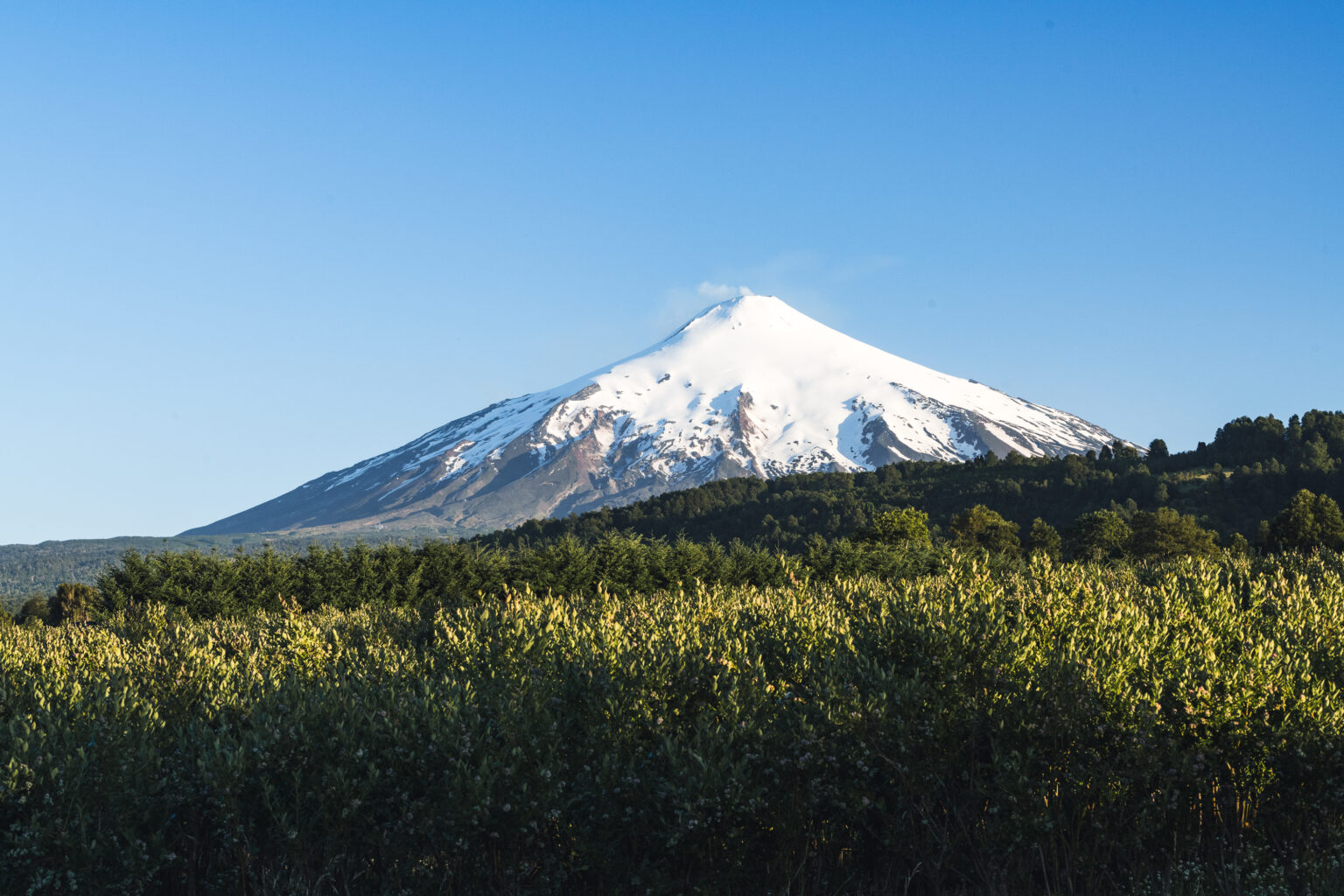
Learn About the Chilean Growing at Destination Chile

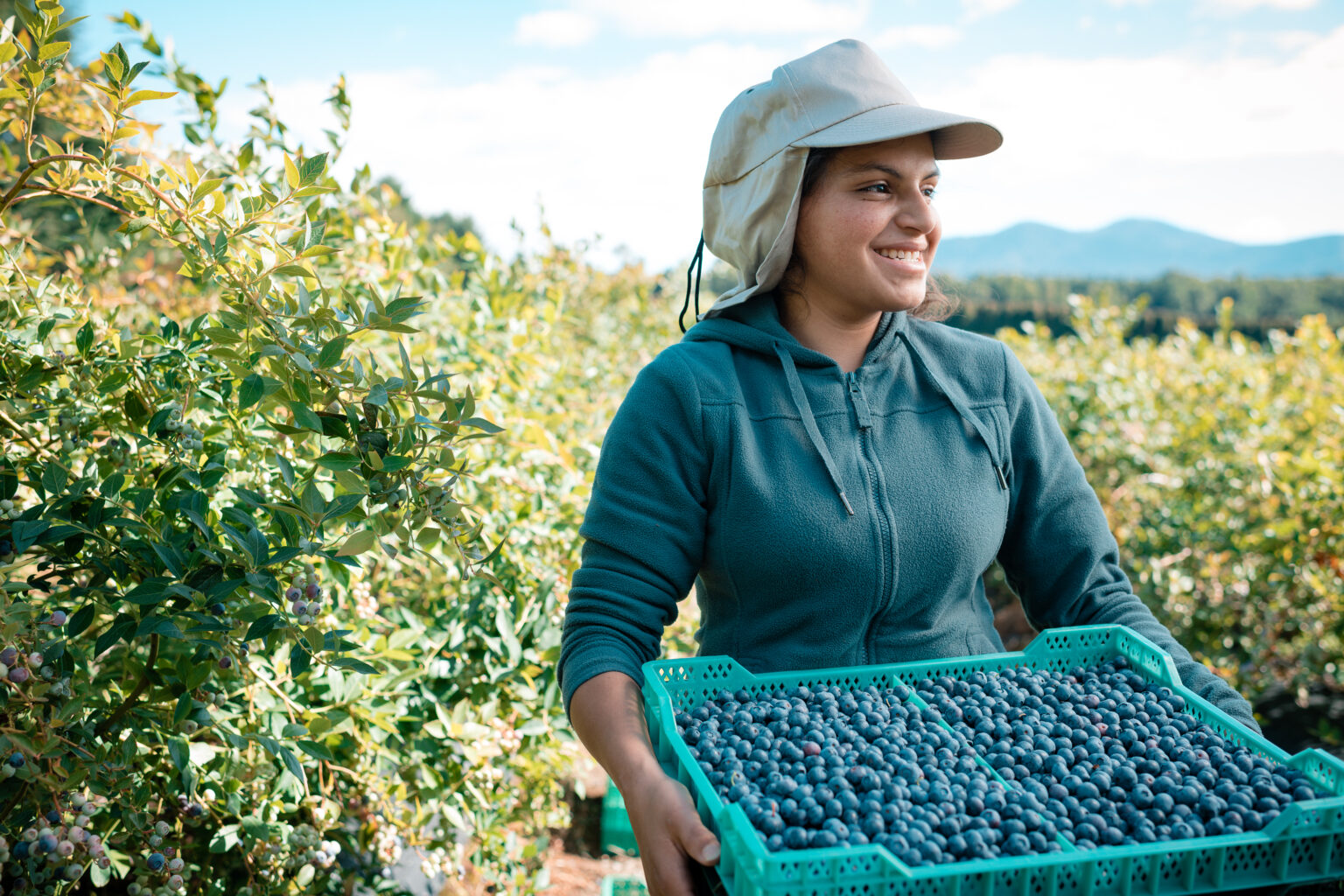
Destination Chile, Dec.9-13, is your chance to explore Chilean blueberry growing regions and learn how Chile is responding to increasing supply from competing regions.
With over 18,000 hectares of highbush blueberries planted and an ongoing commitment to finding new and better varieties, you’ll learn all about the Chilean market and connect with regional growers.
The trip is limited to 40 attendees and the registration fee is $1,950, which covers:
- Hotel reservations (checking in Dec. 9 and checking out Dec. 13).
- Group ground transportation.
- All organized meals Dec. 9-13.
- All group activities and tours.
Check out the full itinerary, then register to join us.

DOL Farmworker Protection Rule Suspended

Federal District Court Grants Temporary Injunction
A federal district court in Georgia found unconstitutional the U.S. Department of Labor’s newly issued Farmworker Protection Rule that requires agricultural employers to allow temporary foreign farm workers to unionize.
The court enjoined the DOL from enforcing the rule solely against the plaintiffs in the case – Georgia Fruit and Vegetable Growers Association members, Miles Berry Farm, and agricultural employers within the of states of Arkansas, Florida, Georgia, Idaho, Indiana, Iowa, Kansas, Louisiana, Missouri, Montana, Nebraska, North Dakota, Oklahoma, South Carolina, Tennessee, Texas and Virginia whose state attorneys general joined the lawsuit.
Plaintiff’s attorneys Southeast Legal Foundation explains, “During the New Deal, Congress gave some employees the right to form labor unions through the National Labor Relations Act (NLRA), but it explicitly excluded farmworkers from the right to form unions and has continued to do so for nearly 90 years. The DOL ignored this 90-year-old law, and through the challenged rule sought to unilaterally make a new law and create a new right to collective bargaining for foreign farmworkers.
“DOL exceeded its constitutionally afforded authority, reminding the federal agency that it ‘may assist Congress, but may not become Congress’ and that it ‘cannot make both executive rules and congressional laws.’”
DOL Suspends Rule Nationwide
In rapid succession to the court’s ruling, DOL announced that worker protection rule implementation is officially delayed/suspended for the regulated community nationwide until further notice.
According to a statement by DOL, “The Office of Foreign Labor Certification (OFLC) will delay updating its FLAG system to implement revised H-2A job order and application forms associated with the Farmworker Protection Rule, originally scheduled to begin at 7 p.m. ET on Aug. 28, 2024, until further notice.
“As a result of this delay, OFLC will continue to receive and process H-2A job orders and
applications in accordance with 20 CFR part 655, subpart B, in effect as of the calendar day
before the effective date as stated in the Farmworker Protection Rule. OFLC will provide
additional public notice regarding a revised transition schedule as soon as possible.”
This signals that DOL is facing challenges in enforcing different requirements among the states and non-plaintiff H2A employers.
DOL Files Motion to Sever Offending Section of Rule
DOL has filed a motion with the court to “sever” the offending section from the rest of the rule. In other words, DOL is attempting to sacrifice the provision deemed unconstitutional to allow the rest of the rule to stay in place for the entire country.
If the court agrees, the offending provisions (union access to H2A workers) would not apply to the list of plaintiffs and states noted previously. Still, the remainder of the regulation would be reinstated and applicable. The court has not yet responded to the “severability” motion. Currently, the law is not in effect for plaintiffs and the 17 states and DOL has voluntarily delayed implementation in the other states.
If the court grants DOL’s motion to sever, it’s possible that DOL may be willing to go so far as to amend the rule to remove the offending provisions nationwide, thus allowing the balance of the regulation to remain effective nationwide.
If the court does not grant DOL’s motion, there are several potential scenarios that could ensue: 1) DOL appeals the ruling in hopes of overturning the decision and reinstating the regulation for all; 2) DOL does not appeal and proceeds with bifurcated implementation of the regulation where it still applies; 3) DOL withdraws the entire regulation to revise and reissue a new rule; or, although highly unlikely; 5) DOL withdraws the rule and does not reissue a new related regulation.
This case is rapidly evolving. NABC will notify members of future developments.
NABC Hosts Tour, Roundtable With FSA Administrator, Rep. Scholten
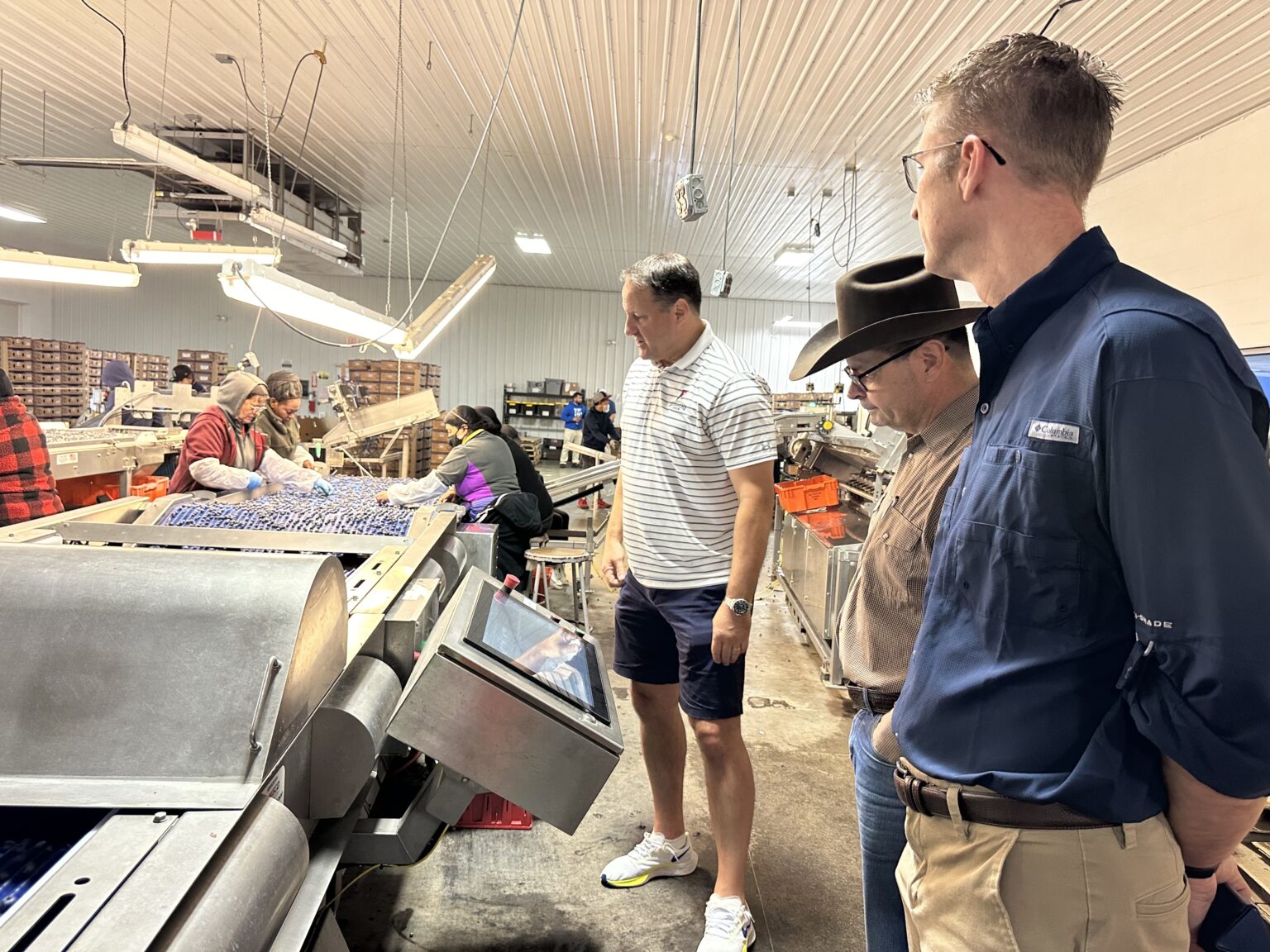
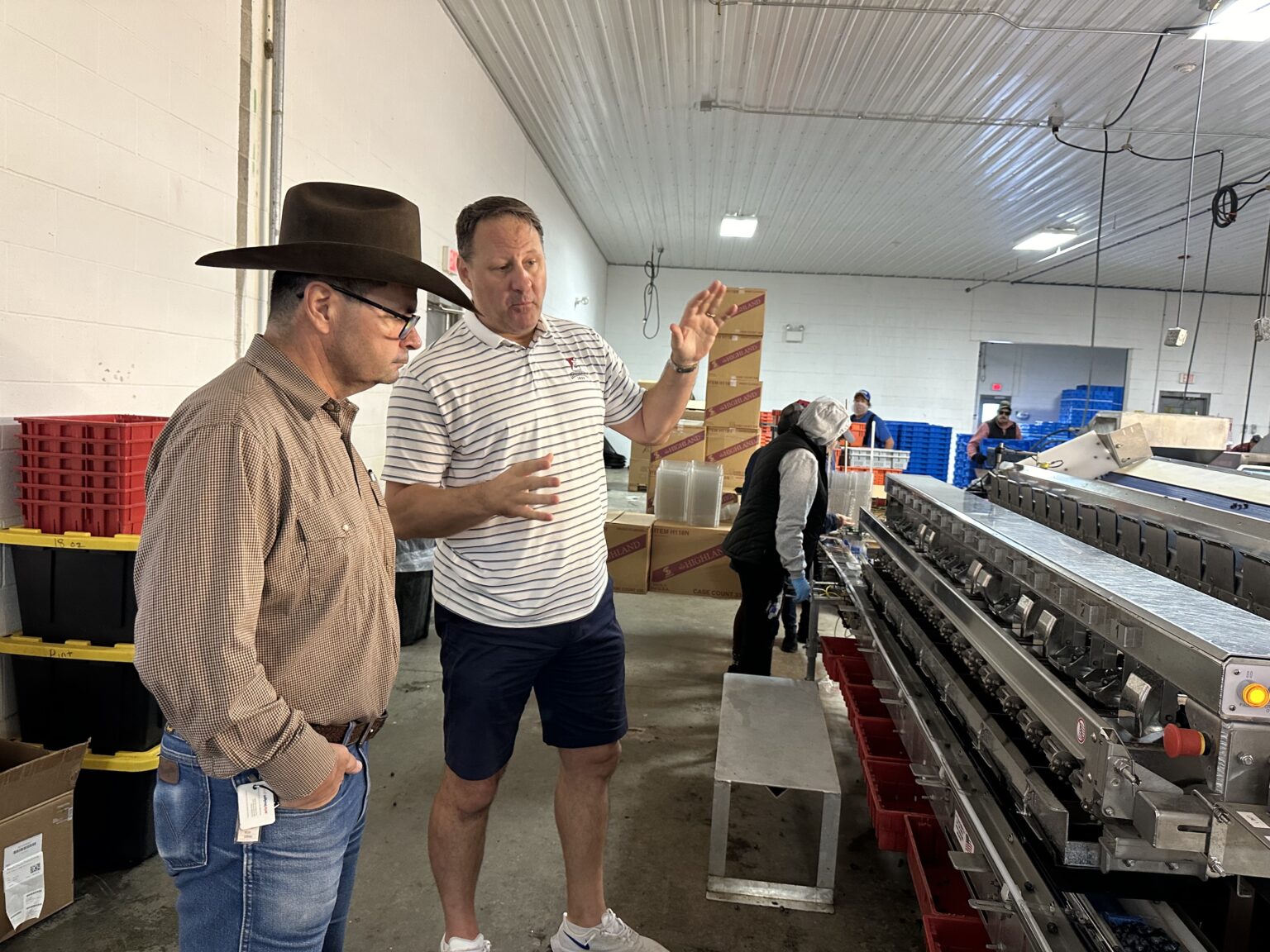
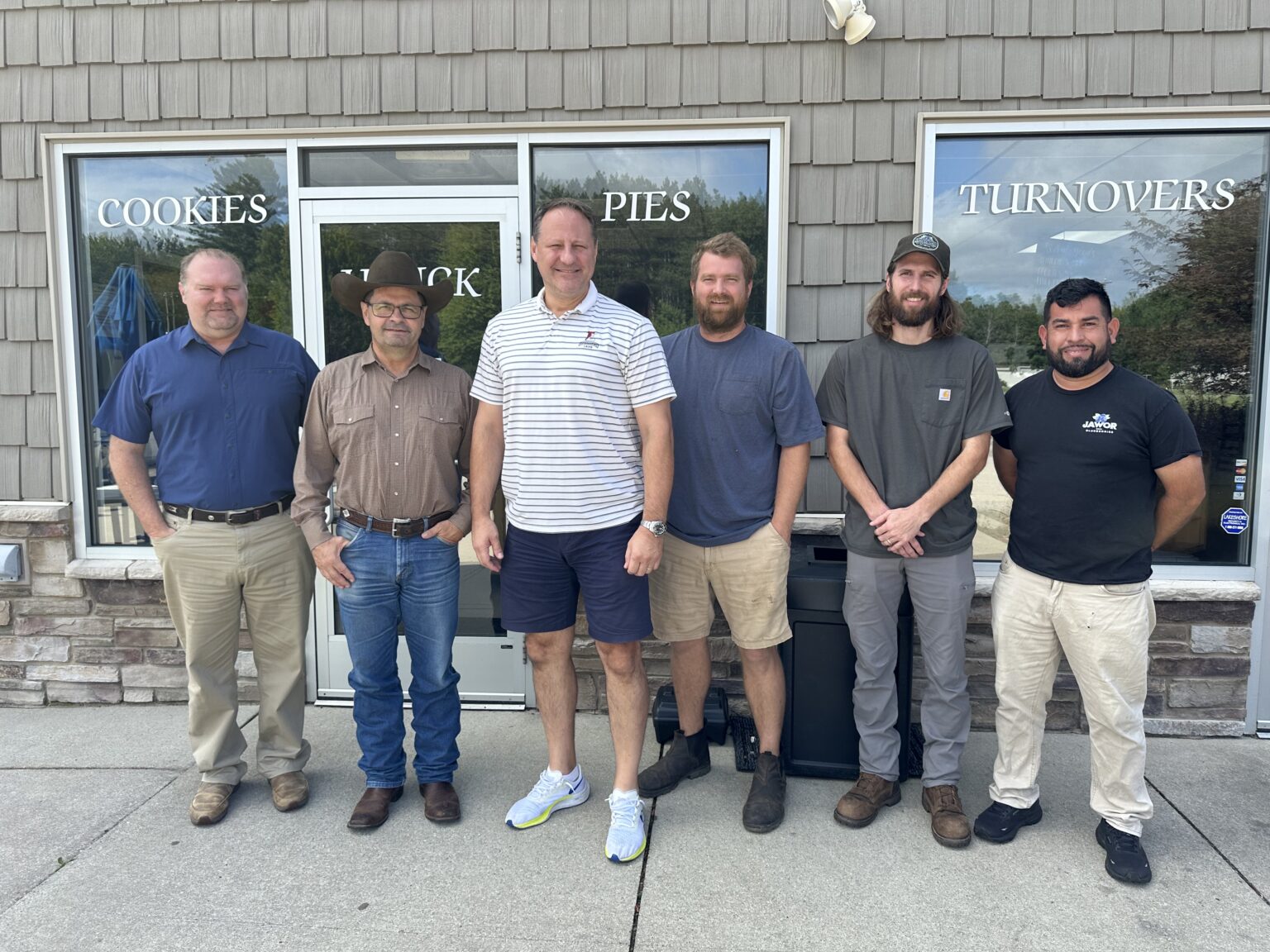

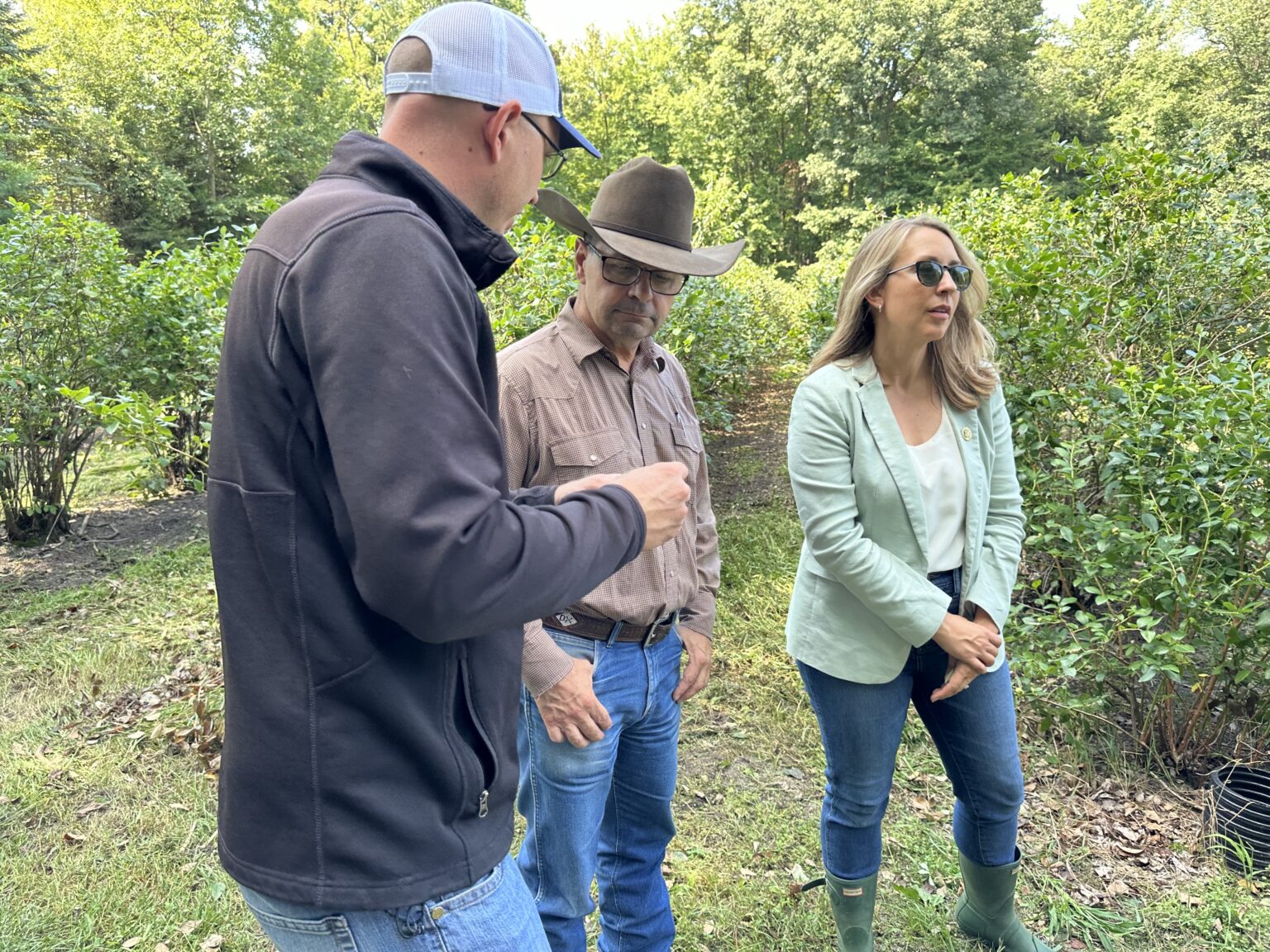
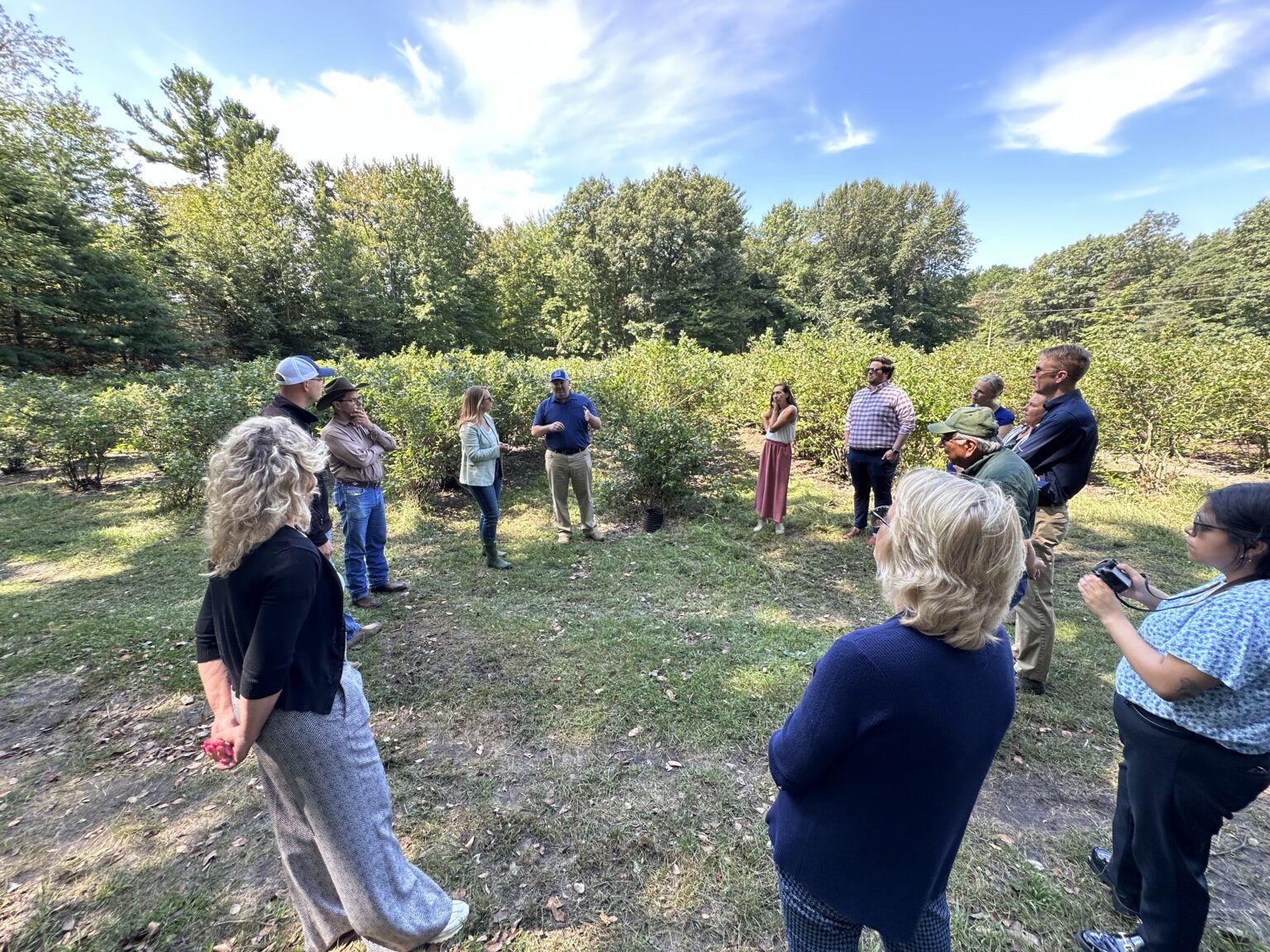
NABC hosted USDA-Farm Service Agency (FSA) Administrator Zach Duchenaux and Congresswoman Hillary Scholten (MI-03) in Michigan this week for a tour and roundtable meeting with local growers.
They visited Jawor Blueberries and Crossroads Blueberry Farms and Packing, where they discussed topics including FSA disaster and loan programs, crop insurance, and concerns about consolidation.
While at Crossroads, they were joined by representatives from the Michigan State FSA office and MSU Extension Educator Carlos Garcia-Salazar for an in-depth discussion about blueberry pests such as the gall wasp, and why the Tree Assistance Program is critical for blueberry growers. They also discussed other ways USDA can support the industry in replanting to new varieties.
The day concluded with a roundtable discussion with over 30 growers and industry members at Crossroads Blueberry Packing. Other guests included Brian Friedman, Director for the USDA-Risk Management Agency Michigan State Office and Mary Judnich, Western Region Manager for US Senator Debbie Stabenow. Topics discussed included labor costs, crop insurance, the importance of passing a farm bill, and driving consumption of U.S. grown blueberries.
Thank you to Jawor, Crossroads, and everyone who attended the roundtable meeting for participating, giving your input, and advocating for the blueberry industry!
We also thank Administrator Ducheneaux and the Michigan State FSA office for spending their day with us, and to Representative Scholten for being a champion for blueberries in Congress!
NABC Meets With USTR Chief Ag Trade Negotiator on Blueberry Industry Priorities
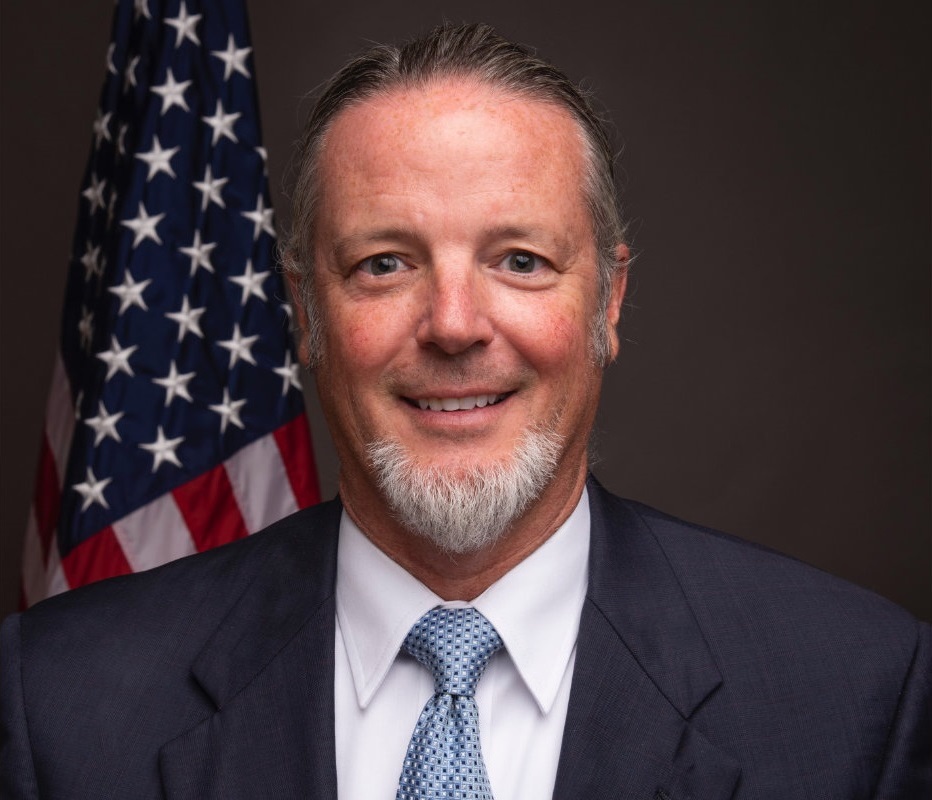
NABC Director of Government Affairs Alyssa Houtby participated in a critical meeting with Ambassador Doug McKalip, chief agricultural trade negotiator, Michigan State University Extension, and the Michigan Department of Agriculture and Rural Development about trade issues affecting the agricultural industry.
Houtby thanked the ambassador for his work to secure a reduction in India’s tariff on blueberries, and alerted him to concerns about a lack of maximum residue limits (MRLs), and uncertainties surrounding India’s testing and inspection process. She explained that India is a promising market for dried blueberries, but a lack of cold chain infrastructure presents challenges for growing fresh and frozen exports.
Houtby emphasized that Japan’s tariff on U.S. frozen blueberries continues to be a priority issue. He responded that it is also a priority for USTR, and that he and U.S. Ambassador to Japan Rahm Emanuel are working to find opportunities to address this with Japan.
They also discussed the U.S. trade deficit and factors that make it difficult for U.S. growers to compete with seasonal imports. They specifically discussed the tight margins that specialty crop growers operate in, and how lower-priced imports can disrupt the market.
Houtby inquired about how strained trade relations with Canada and Mexico may influence the impending reevaluation of USMCA. McKalip responded that the dairy issue with Canada and the genetically modified corn issue in Mexico are major priorities for the US. USTR will also take an aggressive stance against ESG standards. He encouraged the agricultural industry to engage with USTR about other trade concerns.
USDA Awards $1 Million+ in Specialty Crop Block Grants for Blueberry Projects

USDA announced the funding awards for the 2024 Specialty Crop Block Grant program. Over $1 million was awarded to 10 projects across six states that are directly or indirectly related to blueberries. Below is a summary of the blueberry projects.
| State | Organization | Project Title | Description | Budget |
| AL | Alabama Department of Agriculture and Industries | Introducing Late Blooming and Early Ripening Blueberries to Alabama | Auburn University will partner with the Alabama Department of Agriculture and the industry to identify frost-tolerant blueberry cultivars with early ripening and excellent quality to secure a high profit for blueberry growers. | $40,000 |
| FL | Florida Department of Agriculture and Consumer Services | Field Evaluation of Biological Control Agents, Cultivar Susceptibility, and Miticides for Managing Southern Red Mite in Florida Blueberries | The University of Florida’s Small Fruit and Vegetable Integrated Pest Management (IPM) Lab is working on developing new management tools to combat southern red mite, a major pest of blueberries. We will study the ecology, distribution and management of the southern red mite in southern highbush blueberries. Efforts to disseminate findings will include presentations at grower meetings, social media and other web-based sources, and academic and extension publications including University of Florida extension articles and grower magazines. | $165,625 |
| FL | Florida Department of Agriculture and Consumer Services | Development and Application of a Management Program for Chilli Thrips in Florida’s Blueberry Plantings | The University of Florida’s Small Fruit and Vegetable Integrated Pest Management (SFVIPM) laboratory is collaborating with the Florida Blueberry Growers Association (FBGA) to develop an integrated program to manage chilli thrips, a major pest in Florida’s blueberry plantings. The project aims to conduct surveillance and monitoring of chilli thrips populations in blueberries, investigate chilli thrips susceptibility in selected blueberry cultivars, identify biocontrol agents for management, evaluate reduced-risk insecticides, and deliver research findings to stakeholders through grower meetings, field days, web-based dissemination, and extension bulletins. The expected outcomes include identifying effective monitoring tools, determining susceptible blueberry cultivars, discovering potential biological control agents, compiling a list of reduced-risk insecticides, and educating stakeholders on integrated pest management strategies. | $169,868 |
| MI | Michigan Department of Agriculture and Rural Development | Standardized Practices and Marketing for MI Blueberries | The Michigan Blueberry Advisory Committee will create a focused production manual for the beginner grower featuring knowledge from seasoned growers honing in on specific field practices as well as fungal and pest spray programs. This will take place with collaboration from multiple blueberry growers in the state and certified crop advisors with Endeavor Ag and Energy. Manuals will be printed and available for farmers across the state. It will also serve as a template for possible expansion across other specialty crops in the state of Michigan. | $6,431 |
| MO | Missouri Department of Agriculture | Sensor-based Irrigation Management System (SIMS) in Grapes and Blueberries | The University of Missouri will conduct on-farm research to develop a Sensor-based Irrigation Management System (SIMS) for precision irrigation in specialty crops using information from real-time proximal sensors and remote sensing technology. | $49,996 |
| NJ | New Jersey Department of Agriculture | Targeted Marketing Enhancements For New Jersey Blueberries | As part of a more extensive research and promotion program, The New Jersey Blueberry Growers Association seeks Specialty Crop Block Grant funding for a project to promote awareness and purchase of local Jersey Fresh Blueberries. | $15,000 |
| NJ | New Jersey Department of Agriculture | Evaluating White Grub Populations in Blueberries Planted With Fescue Grass Row Middles | Rutgers Cooperative Extension will evaluate white grub densities in blueberries planted with grass as a cover crop in crop row middles by trapping and collecting grubs to report impact on pests in blueberries and provide recommendations to growers. | $39,999 |
| WA | Washington State Department of Agriculture | Expanding Washington Blueberry Exports to India | The Washington Blueberry Commission (WBC) will conduct retail, foodservice, and culinary promotions in India for fresh, frozen, and dried blueberries. | $220,000 |
| WA | Washington State Department of Agriculture | Strengthening the Network: Reconnecting Berry Researcher and Grower Collaboration | The Northwest Berry Foundation seeks to re-establish strong working relationships between berry researchers and key industry stakeholders through in-person farm tours. | $199,157 |
| WA | Washington State Department of Agriculture | Aerial Imaging and Insect Monitoring to Study Viruses Impacting Blueberries in Northwestern Washington | Washington State University (WSU) will establish an agreement with the Washington State Department of Agriculture to address the emerging issue of blueberry viruses in Washington State. To improve virus management options for Washington blueberry growers, WSU is proposing the following objectives: 1) study temporal and spatial spread of viral diseases using both molecular diagnostic tools and remote sensing technology; 2) understand the phenology and vectoring potential of aphids in blueberry fields; and 3) establish a blueberry virus working group with industry stakeholders and the university to improve research and extension outputs for increasing stakeholder awareness of the range of blueberry viruses as well as their management in the PNW. | $249,994 |
| Total Funds Awarded | $1,156,000 |
NABC’s Alyssa Houtby Appointed to USTR, USDA Ag Trade Committee

On Aug. 1, Agriculture Secretary Tom Vilsack and U.S. Trade Representative Katherine Tai announced the appointment or reappointment of 55 members to serve on seven agricultural trade advisory committees.
NABC Director of Government Affairs Alyssa Houtby was appointed to the USDA and USTR Fruit and Vegetable Agricultural Technical Advisory Committee (ATAC)! We’re proud to have her represent the North American Blueberry Council.
Congress created the advisory committee system to ensure that U.S. agricultural stakeholders have input and insight into U.S. trade policy and negotiating objectives. The Agricultural Policy Advisory Committee is comprised of senior representatives from across the U.S. agricultural community who advise the U.S. Department of Agriculture and the Office of the U.S. Trade Representative on overall trade policy matters. Members of the six Agricultural Technical Advisory Committees provide technical advice and guidance from the perspective of their specific product sectors. This group of appointed advisors will serve until 2028.
Learn more about Houtby’s appointment.
We’ll Shine a Light on Your Events!
If you’re hosting a blueberry industry event, we can help you spread the word! Email Kristy Babb at [email protected] with all the details and we’ll include your event in our next newsletter.