
Topics in this issue of Blues Update:
- From the Chair: Shaping NABC’s Next Chapter
- Senate Agriculture Committee Advances Farm Bill
- Court Rules AEWR Interim Final Rule Is Unlawful: What Happens Next
- NABC Advocates for Improvements to Food Safety Response, Communications
- Make Your Voice Heard: Register for the 2027 Blueberry Hill Climb
From the Chair: Shaping NABC’s Next Chapter
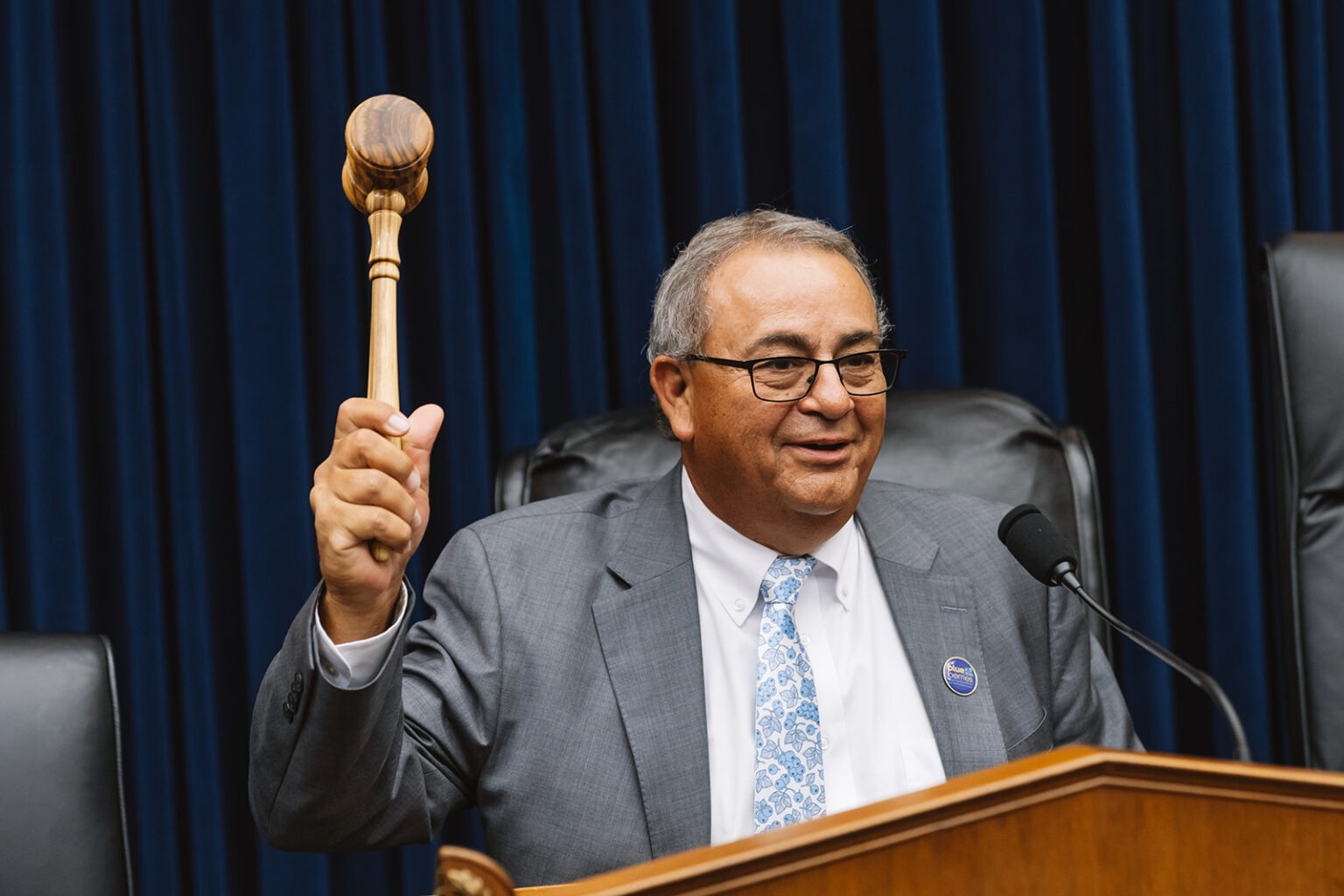
By Teddy Koukoulis
NABC Chair
As we prepare to gather for The 2026 Blueberry Convention in Monterey in just a few days, I’m filled with pride in what our industry continues to accomplish together, and excitement about where we’re headed next.
During the NABC Board of Directors meeting at the convention, we’ll be sharing the planning process for the updated NABC strategic plan. After all, looking ahead, setting clear goals and establishing a unified vision are critical to ensuring the long-term success and sustainability of our industry.
I’m looking forward to working closely with Ken Gilliam and his team at Directions Group to bring this plan to life. This update of our strategic plan represents a significant step forward in how we advocate for, support and grow our industry.
I can’t wait to see you in Monterey where we’ll share initial thoughts on the plan and prepare to take these important next steps together.
Senate Agriculture Committee Advances Farm Bill
The Senate Agriculture Committee reconvened on September 16 and voted 12-11 along party lines to advance its Farm Bill, formally sending the legislation to the full Senate. The vote resumed consideration of the bill following the committee’s August 6 meeting, which was recessed rather than adjourned. No new amendments were considered when the committee reconvened.
Now that both the House and Senate Agriculture Committees have advanced their respective Farm Bills, preconference discussions between House and Senate Agriculture Committee staff are expected to begin in earnest as the two chambers work through differences between their bills and determine a path forward.
The biggest obstacle remains the Supplemental Nutrition Assistance Program (SNAP). The Farm Bill will need 60 votes to pass the Senate, and Senate Democrats have made clear they will not support the bill without a two-year delay in implementation of the SNAP state cost-share requirement. At this point, it remains unclear whether Senate leadership will attempt to bring the Farm Bill to the floor during the September work period or whether negotiations will continue before floor consideration.
While committee passage represents an important procedural step, the timing and ultimate path forward remain uncertain. With the congressional calendar narrowing ahead of the midterm elections, another potential path under discussion is consideration of the Farm Bill as part of a broader legislative package during the post-election lame-duck session.
NABC Priorities
Throughout the Senate process, NABC has worked with our partners in the Specialty Crop Farm Bill Alliance to advance several priorities important to blueberry growers. During the August markup, we supported three amendments that would:
- Require USDA to use the specialty crop emergency payment framework for future ad hoc assistance to specialty crop producers.
- Affirm the definition of specialty crops across key programs and authorities, including the Technical Assistance for Specialty Crops (TASC) program and federal crop insurance.
- Establish greater transparency requirements and guardrails for USDA disaster block grants.
Because no additional amendments were considered when the committee reconvened, our focus now shifts to the pre-conference process. NABC will continue working with congressional offices and our partners in the Specialty Crop Farm Bill Alliance to pursue opportunities to incorporate these provisions into a negotiated package.
Separately, NABC continues to advocate for no less than $5 billion in economic assistance for specialty crop growers as Congress considers additional economic assistance legislation.
NABC issued a statement following the Senate Agriculture Committee vote:
The Senate Ag Committee’s advancement of the Farm Bill 2.0 marks an important step forward for America’s farmers and the future of U.S. agriculture.
For blueberry growers, a strong Farm Bill supports every stage of their business. It strengthens the farm safety net for when the unexpected happens, invests in research and innovation to advance new crop varieties and production technologies, and helps ensure U.S. specialty crops remain competitive in the global marketplace.
The North American Blueberry Council supports policies that provide the long-term stability growers need. We look forward to continuing to work with lawmakers to see a strong Farm Bill signed into law. For growers, the communities they support and the consumers who count on a boost of blue every day, we thank you!
Court Rules AEWR Interim Final Rule Is Unlawful: What Happens Next
On August 26, a federal judge for the U.S. District Court for the Eastern District of California, Fresno Division, ruled that the Department of Labor’s (DOL) October 2025 Interim Final Rule (IFR) establishing the current Adverse Effect Wage Rate (AEWR) methodology was unlawful. Importantly, the court did not vacate the IFR. Instead, it left the current wage rates in place while directing DOL to “promptly” develop a new methodology and publish new AEWRs.
As you may recall, NABC supported the IFR throughout its development and subsequent legal challenge. NABC submitted comments in support of the IFR, provided members with a template to submit their own comments and joined an agriculture coalition amicus brief defending the rule when it was challenged.
How the Court Ruled (and How It Did Not)
The Court ruled that the IFR is unlawful. It did not vacate the IFR.
While the ruling was significant, the court did not categorically reject every policy concept underlying the IFR. In several areas, the court’s concern centered on whether DOL had developed an adequate administrative record and sufficiently justified the methodology it selected.
For example, the court did not reject the concept of wage tiers outright. Rather, it found insufficient support for the methodology DOL selected, including placing approximately 92% of H-2A positions at the 17th percentile and the remaining positions at the 50th percentile. Similarly, the court did not necessarily reject classifying workers based on their primary duties, but found that DOL had not adequately considered the potential consequences of that approach. The court also raised concerns about the data DOL relied upon and the IFR’s housing adjustment, including its interaction with existing requirements that H-2A housing be provided without charge.
The court directed DOL and United Farm Workers (UFW) to submit a status report addressing DOL’s steps toward developing a replacement methodology, the agency’s anticipated timeline and a proposed schedule for future progress reports.
DOL and UFW filed their joint status report on September 9. Although filed jointly, the report makes clear that the parties remain far apart on both the timeline and process for replacing the current AEWR methodology.
DOL estimates it will need nine to 12 months to issue a replacement methodology through a final rule. The department states that it must reevaluate 887 public comments in light of the Court’s ruling, consider alternatives to the wage data used in the IFR and complete required federal regulatory reviews.
DOL argues that rushing another interim rule could create many of the same procedural vulnerabilities that led to the current litigation and ultimately result in additional litigation and delays. Because the court did not vacate the IFR, DOL maintains that it can continue the rulemaking process already underway and proceed toward a final rule. DOL has proposed providing progress reports to the court every 90 days.
UFW argues that DOL’s proposed 9-12 month timeline is unacceptable and has asked the court to require DOL to publish an interim replacement methodology by September 23, or shortly thereafter. UFW argues that leaving the current methodology in place for another year would prolong what it considers unlawful wage reductions and could affect the wage data used to calculate future AEWRs.
UFW has also asked the court to reconsider its decision not to vacate the IFR if leaving the rule in place is preventing DOL from acting more quickly.
The next move is with the court. If DOL is permitted to continue the process already underway, the department could potentially issue a final rule that retains elements of the IFR while developing a stronger administrative record and more detailed justification for its policy decisions. If the court vacates the IFR, DOL could instead be required to begin an entirely new rulemaking process through a Notice of Proposed Rulemaking (NPRM), potentially adding significant time before a permanent replacement methodology is established.
For now, the court has not determined which path DOL must follow, and the existing IFR and current AEWRs remain in effect.
What This Means for Employers
The immediate takeaway for agricultural employers is that the current AEWRs remain in effect. Employers should continue paying the currently applicable H-2A wage rates unless and until DOL publishes replacement rates or the court orders otherwise.
The court’s ruling also created potential future backpay exposure beginning Sept. 2, 2026. On that date, DOL issued a formal notice regarding potential wage adjustments and employer recordkeeping informing employers that they may eventually be required to make wage-adjustment payments to H-2A workers and corresponding U.S. workers if newly established AEWRs are higher than the wages paid during the backpay period.
Employers do not currently owe backpay. Whether any adjustment will ultimately be required depends on the replacement AEWRs and subsequent action by the court. DOL has also expressly reserved its position on whether retroactive wage-adjustment obligations may lawfully be imposed.
The potential backpay period began Sept. 2, 2026, and will continue until new AEWRs are published. Work performed before September 2 falls outside the backpay period established by the court. DOL is advising employers to maintain accurate payroll and earnings records, along with current identification and contact information for H-2A workers and corresponding U.S. workers who could potentially be affected.
What We’re Doing
Regardless of which procedural path the court ultimately directs DOL to follow, this period provides agriculture an opportunity to help develop the factual and economic record supporting a workable and legally durable AEWR methodology.
NABC is working with agricultural association partners through the Agriculture Labor Policy Group, Ag Workforce Coalition and America First AEWR Coalition to coordinate industry engagement with DOL and the administration. A key focus is developing and providing credible economic and workforce data that can support the core concepts underlying the IFR and strengthen the administrative record for DOL’s next action.
NABC is also participating in high-level meetings with the administration alongside our agricultural association partners to communicate directly with senior officials about the implications of the court’s decision and the need for a workable AEWR methodology.
On the legislative side, the court’s ruling makes a legislative solution even more important. NABC continues to support Chair G.T. Thompson’s Securing Agriculture’s Workforce Act (SAWA), which would put key H-2A reforms into statute and provide greater long-term certainty for agricultural employers.
NABC will continue monitoring the court proceedings, working with counsel and agricultural partners, and engaging with the administration as the court determines how DOL will proceed. We’ll provide additional updates as developments occur.
NABC Advocates for Improvements to Food Safety Response, Communications
Food safety and consumer trust are foundational to the strength of the blueberry industry. Following recent public health communications surrounding Cyclospora and fresh produce, the NABC has been working to safeguard our growers, protect consumer confidence and ensure our industry’s voice is heard at the highest levels of government.
Recently, FDA Acting Deputy Commissioner for Food Dr. Donald Prater issued a letter addressing recurring multistate outbreaks of cyclosporiasis associated with fresh produce, calling for enhanced prevention and mitigation efforts across the supply chain.
While the FDA’s broader focus remains on public health prevention, NABC is actively engaged to ensure that FDA messaging during food safety events is as precise, responsible and transparent as possible.
During recent food safety events across the produce aisle, consumer confusion often spilled over into safe, unaffected commodities. While blueberries were never identified as a source of any outbreak and performed stronger than many other commodities in the produce department, retail data indicated a temporary 5% to 7% dip in sales during a critical portion of the domestic season.
Although higher pricing played a role in that shift, the broader market disruption underscored a crucial lesson: Imprecise public communications during food safety investigations can unnecessarily erode consumer confidence in safe, nutritious produce.
Recognizing the need for clearer public communication frameworks, NABC reached out directly to Dr. Prater. NABC Vice President of Public Policy Alyssa Houtby thanked Prater for publicly reinforcing the safety of the U.S. food supply, while providing real-time insights into what was happening in the blueberry marketplace. Most importantly, NABC offered to meet with officials to discuss how the agency and industry can better navigate public messaging during future food safety events – protecting public health without causing collateral damage to safe commodities.
Prater responded positively and said he was open to meeting.
As the FDA signals its intent to engage ongoing stakeholder input on Cyclospora prevention, NABC will be at the table representing blueberry growers and handlers. Our strategy centers on two core objectives:
- Ensuring the blueberry industry remains an active leader in strengthening food safety practices and research across the supply chain.
- Advocating for FDA communication protocols that are accurate and targeted, preventing widespread consumer confusion and market disruption for non-implicated crops.
Throughout this summer’s events, NABC worked with the FDA and the International Fresh Produce Association (IFPA), to monitor media coverage and share updates with our industry, and we were ready to respond if blueberries were incorrectly implicated.
Simultaneously, the U.S. Highbush Blueberry Council (USHBC) executed its largest retail activation of the year across more than 19,000 stores nationwide, keeping blueberries top-of-mind and supporting retailer confidence.
NABC will continue leveraging the insights gained this summer to advocate for improved agency communication before the next food safety event occurs.
Make Your Voice Heard: Register for the 2027 Blueberry Hill Climb
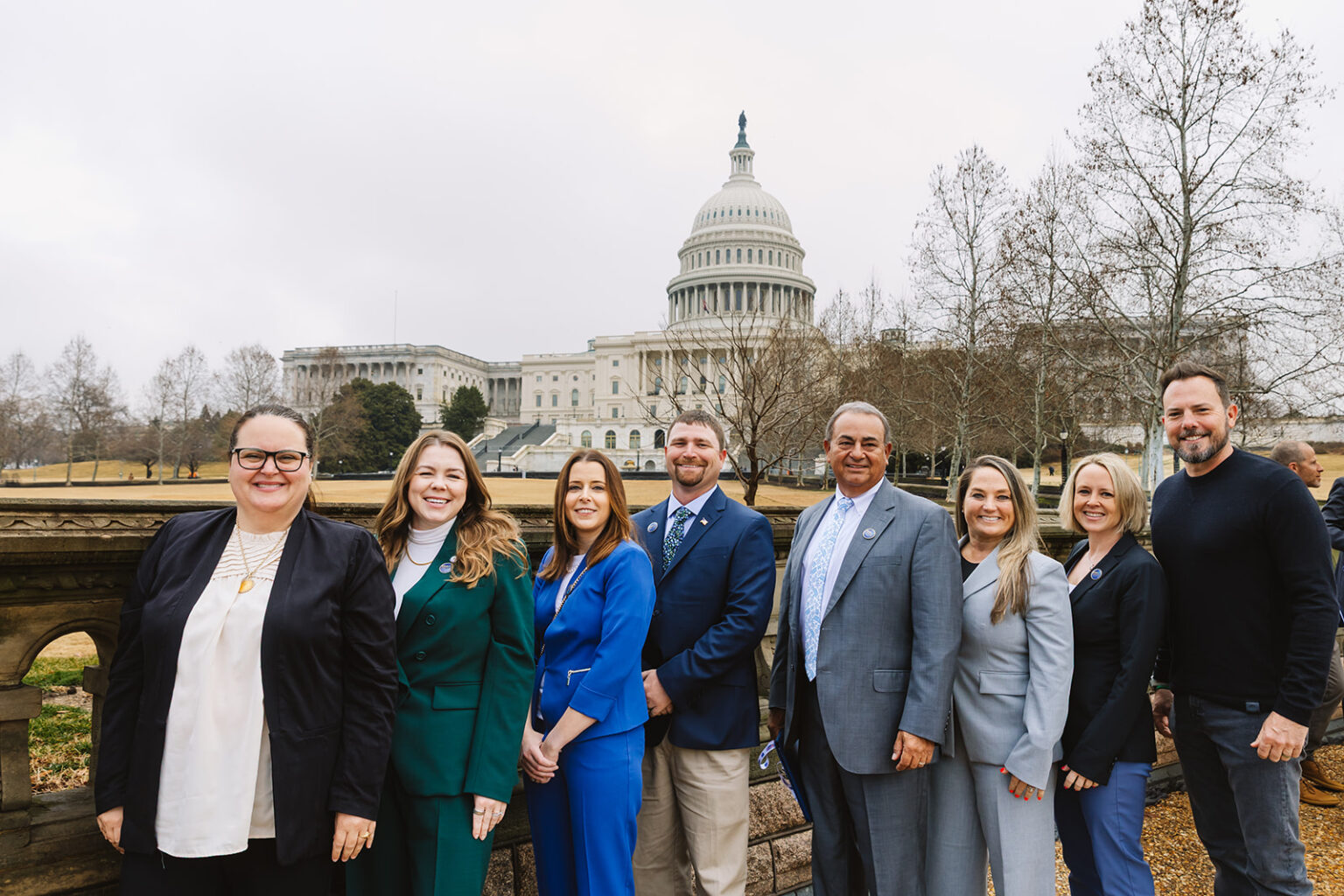
Registration is now open for the 2027 Blueberry Hill Climb & Industry Meetings, taking place March 8-12, 2027, in Washington, D.C.
Nobody can speak to the real-world opportunities and challenges of the blueberry industry better than you. That’s why the annual Blueberry Hill Climb brings growers, handlers and industry leaders directly to Capitol Hill to meet face-to-face with lawmakers. Whether addressing agricultural labor, farm policy priorities or federal nutrition programs, sharing your firsthand experience is the single most effective way to shape legislation that protects and advances our industry.
You don’t need to be a lobbying expert to make an impact. Before you meet with elected officials, we’ll prepare you with the tools, key talking points and briefing materials you need to speak with confidence. Plus, you’ll gain exclusive, behind-the-scenes insights into the political dynamics shaping current U.S. farm, nutrition and trade policies straight from NABC’s government affairs team and special guest speakers.
NABC and USHBC Industry Meetings
Following the Hill Climb, we’ll carry the momentum into the NABC and U.S. Highbush Blueberry Council (USHBC) Industry Meetings.
After advocating on the Hill, you’ll join fellow leaders to:
- Hear updates on committee work and key initiatives.
- Discuss the opportunities and challenges facing our industry and help shape the strategies that will guide our collective efforts.
- Help steer future strategy to guide our collective industry efforts forward.
Don’t miss your chance to champion the blueberry industry where decisions are made. Secure your spot today and ensure your voice is heard in Washington, D.C.!