
Topics in this issue of Blues Update:
- From the Chair: Supporting Our Growers in the Southeast
- Update on Tariffs Following Supreme Court Decision
- Farm Bill Update and Next Steps
- Act Now to Apply for One-Time Bridge Payments
- NABC/USHBC Team Presents at Oregon Blueberry Day
- Blueberries Star in Uber Eats Social Media Ad
- Mark Your Calendar: The Blueberry Convention, Sept. 22-24
- Member Exclusive: Weekly Crop Reports
- Meet Our Newest Members
From the Chair: Supporting Our Growers in the Southeast
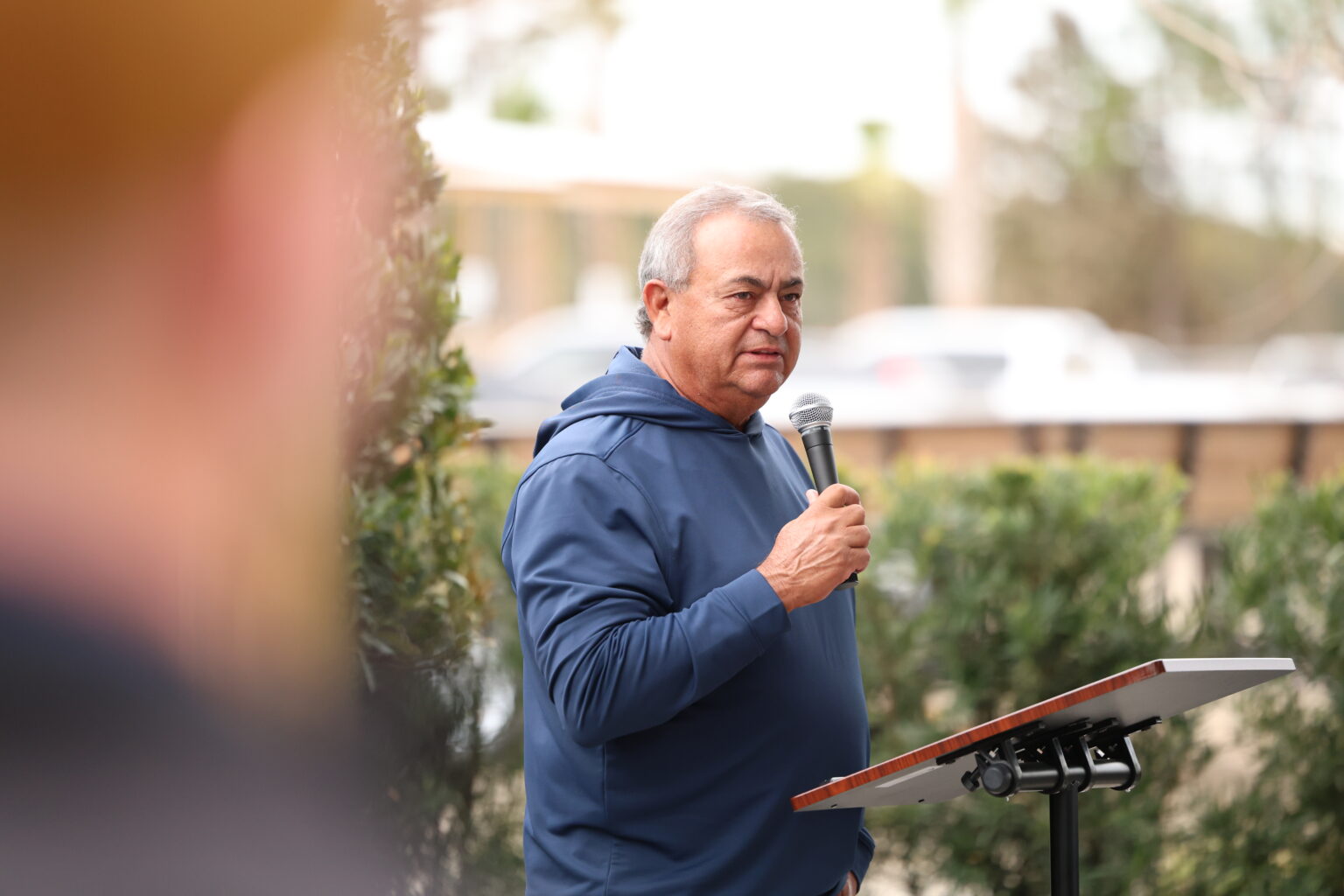
By Teddy Koukoulis
NABC Chair
Earlier this month, an arctic freeze across Florida caused significant damage to early-season blueberry crops. Just days after the winter storm, NABC President Kasey Cronquist and I walked many of these farms with growers, Florida Department of Agriculture and Consumer Services Commissioner Wilton Simpson, USDA’s FSA State Executive Director for Florida Marcinda Kester, USDA Risk Management Agency Director Davina Lee, University of Florida’s blueberry leadership team and other state leaders and federal representatives to assess the damage and determine the best ways the NABC can assist.
As temperatures dropped, many of us did exactly what we had to do: We ran freeze protection systems. Unfortunately, with temperatures plummeting and unusually high winds, the sheer weight of the ice buildup became too much for the plants to bear, snapping limbs and crushing bushes. Today, many growers in Florida will be facing some difficult decisions and looking at a multiyear recovery effort just to get back to where they were before the storm.
The industry created the NABC for moments like this and we’re taking action to seek both short- and long-term government support for our growers. We’re asking the Trump administration for maximum flexibility for our farmers pursuing crop insurance and seeking access to programs like the Tree Assistance Program (TAP) and Emergency Conservation Program (ECP) funds through USDA Farm Service Agency.
Beyond immediate relief, this crisis underscores the desperate need for permanent changes to the Farm Bill regarding disaster relief. We aren’t just looking for a band-aid; we’re pushing for a framework that recognizes the unique vulnerabilities of specialty crop growers, and we continue to pursue desperately needed changes to the Farm Bill regarding disaster relief in general.
We’re in this together, and I am proud of the efforts of the NABC. This organization won’t stop advocating until every grower has the resources needed to rebuild.
Update on Tariffs Following Supreme Court Decision
The Supreme Court recently issued a landmark ruling holding that the Trump administration lacks the authority under the International Emergency Economic Powers Act (IEEPA) to impose sweeping, broad-based tariffs. This decision significantly impacts the administration’s current trade strategy, and the NABC is preparing to engage with officials as they pivot to alternative legal authorities.
The Administration’s Response
In the wake of the ruling, President Trump maintained that existing national security tariffs under Section 232 and existing Section 301 tariffs remain “in full force and effect.” To bypass the IEEPA restrictions, the president signed a new Executive Order invoking Section 122 of the Trade Act of 1974. This provision empowers the Executive Branch to address international payment imbalances through temporary surcharges.
Effective February 24, a 10% ad valorem import duty has been imposed on goods entering the U.S. for a 150-day period.
Implications for the Blueberry Industry
While the 10% surcharge is broad, there are critical exemptions and nuances for blueberry importers:
- USMCA exemptions: Goods from Canada and Mexico that are USMCA-compliant – including fresh and frozen blueberries – are exempt from this new 10% duty.
- Other origins: While the administration released a supplemental list of exempted products (including beef, citrus, mangoes and avocados), blueberries were not included on that specific list.
- Impact on Chile and Peru: Consequently, fresh and frozen blueberries from countries such as Peru and Chile are currently subject to the 10% tariff.
- Sunset date: Without Congressional intervention or further administrative action, this specific Section 122 tariff is scheduled to expire on July 20, 2026.
The Path Forward: Section 301 Investigations
U.S. Trade Representative Jamieson Greer has indicated that the administration will now lean heavily on the Section 301 process to create more “durable” tariffs. This process is highly regulated and includes:
- Public investigations: Formal notices in the Federal Register.
- Public comment Periods: Opportunities for industries to provide feedback.
- Hearings and consultations: Formal dialogues with targeted trading partners to calculate the economic harm of “unfair trade practices.”
Status of Refunds
Notably, the Supreme Court’s IEEPA ruling was silent on the issue of tariff refunds. While the court invalidated the use of IEEPA for these duties, it did not provide a mechanism for importers to recoup previously paid duties. This issue is expected to be litigated in lower courts and addressed through future administrative procedures.
NABC’s Commitment
NABC is closely monitoring these developments and remains ready to provide data and industry-specific insights to the administration as these new investigations launch. We will continue to advocate for the interests of the blueberry industry and provide updates as the legal and regulatory landscape shifts.
Farm Bill Update and Next Steps
Earlier this month, Chair GT Thompson and House Agriculture Committee Republicans released the text of the Farm, Food and National Security Act of 2026, more commonly known as the farm bill. The committee is scheduled to mark up the bill the first week of March – coinciding with The Blueberry Hill Climb, when our members from across the country will be meeting with members of Congress to emphasize the importance of passing the farm bill and ensuring a strong, predictable safety net for specialty crop producers.
This release follows Congress’ third extension of the 2018 Farm Bill through the end of fiscal year 2026. While a full, standalone farm bill has not yet been enacted, H.R. 1, the “One Big Beautiful Bill,” signed into law in 2025, included targeted agriculture provisions that strengthened the farm safety net, enhanced crop insurance, invested in specialty crop research and increased funding for export market development programs.
NABC issued the following statement applauding the release of the Farm, Food, and National Security Act of 2026:
“The North American Blueberry Council commends Chair Thompson and the House Agriculture Committee for advancing farm bill legislation that strengthens the safety net for specialty crop producers, enhances the competitiveness of U.S. agriculture and builds upon the critical investments made in H.R. 1 last year. Blueberries are a permanent crop requiring significant upfront capital investment and years of care before reaching full production, making effective and predictable risk management essential to long-term viability.
“The bill’s improvements to the Tree Assistance Program (TAP), including a prepayment option and recognition of fields that are no longer economically viable, will provide more practical and timely support for growers recovering from catastrophic losses. Coupled with enhancements to federal crop insurance and the establishment of a Specialty Crop Emergency Assistance Framework, these provisions represent important steps toward a more reliable, responsive safety net that helps U.S. blueberry growers remain competitive.”
Key highlights for specialty crop growers include:
Tree Assistance Program (TAP)
- Prepayment option for eligible projects.
- Clarification that fields no longer economically viable are eligible.
- Extension of project completion period from 12 months to 2 years.
- USDA response required within 120 days.
- Flexibility to replace with alternative varieties, stand density or location.
Specialty Crop Safety Net
- Creation of a permanent assistance program framework.
- Specialty Crop Committee and Coordinator for crop insurance oversight.
- Research and development for blueberry revenue policy and frost/freeze index insurance.
Export Market Development
- Increased funding for the Market Access Program (MAP) and Technical Assistance for Specialty Crops (TASC) programs.
- Biennial report by United States Trade Representative (USTR) and USDA on export barriers affecting specialty crops.
Specialty Crop Research Initiative (SCRI)
- $30 million per year earmarked for mechanization and automation.
- Matching fund requirement waived for SCRI grants
Specialty Crop Block Grant Program (SCBG)
- State administrators required to consult with growers and associations when setting priorities.
Nutrition
- Local Foods Procurement Program made permanent.
Looking ahead, the road to passage is expected to be challenging. House Democrats are likely to oppose parts of the bill, and several amendments are expected to be introduced during mark up related to the bill’s provisions around SNAP and uniform pesticide labeling. And, at this point, there is no signal from Speaker Johnson regarding when he would schedule a floor vote.
The upcoming Blueberry Hill Climb, March 2-6 in Washington, D.C., is a key opportunity for growers to share their voices and needs with policymakers. Register now to join the delegation.
Act Now to Apply for One-Time Bridge Payments
The U.S. Department of Agriculture (USDA) recently announced that it will provide $1 billion in Assistance for Specialty Crop Farmers (ASCF) Program assistance for specialty crops and sugar, commodities not covered through the previously announced Farmer Bridge Assistance (FBA) program. Blueberries are specifically named as an eligible commodity.
These one-time bridge payments will help address market disruptions, elevated input costs, persistent inflation and market losses from foreign competitors engaging in unfair trade practices that impede exports. Specialty crop producers have until March 13, 2026, to report 2025 acres to USDA’s Farm Service Agency (FSA).
To participate, it’s important that growers take these two steps:
- Provide your acreage report to FSA ASAP. Find your field office here.
- Visit farmers.gov/account to create a Login.gov account. If you already have a Login.gov account, you can work with FSA using your existing account. Click here for instructions. Producers with a secure Login.gov account can be the first to apply for the ASCE Program. To conduct business with FSA online, including applying for ASCF assistance, producers will need a Login.gov account.
Our Work Continues
We’re grateful to USDA for recognizing the importance of specialty crops and providing support during a period of real economic strain for our growers. But our work doesn’t stop here.
Congress will continue looking for opportunities to advance additional agricultural assistance, including through a potential supplemental appropriations bill. Similarly, a spokesperson for Senate Agriculture Committee Chair John Boozman (R-AR) affirmed that he will keep working with colleagues to deliver the resources producers need to keep farming, with a supplemental package identified as a viable option.
Continued outreach is critical to keep this need front and center as negotiations advance. Congress should increase specialty crop support and ensure assistance is delivered through a simple, efficient process that minimizes paperwork and speeds relief — similar to the streamlined Marketing Assistance for Specialty Crops approach — so growers receive timely, practical help.
TAKE ACTION: Help drive home the message by sending a note to your members of Congress today.
NABC/USHBC Team Presents at Oregon Blueberry Day
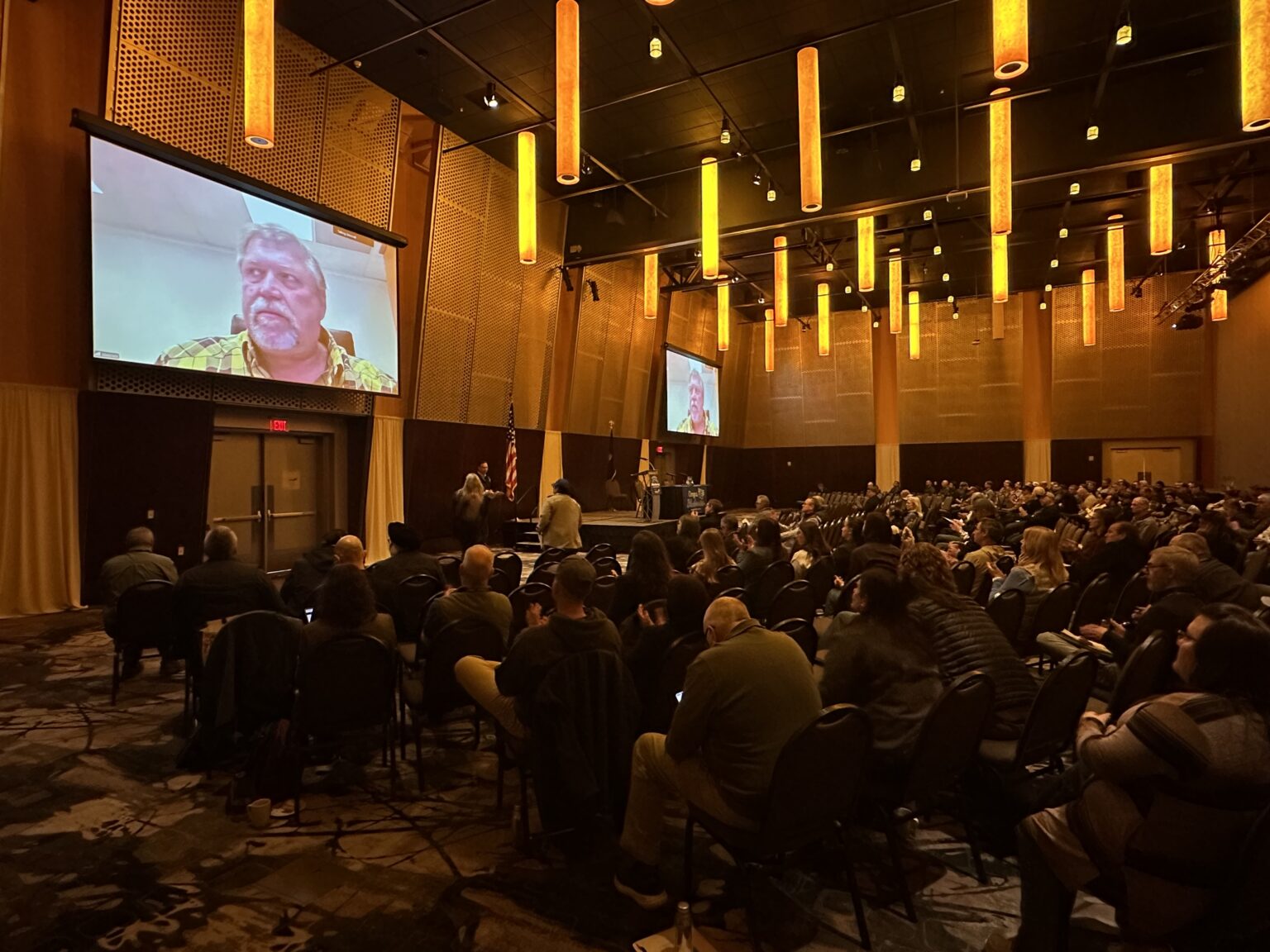
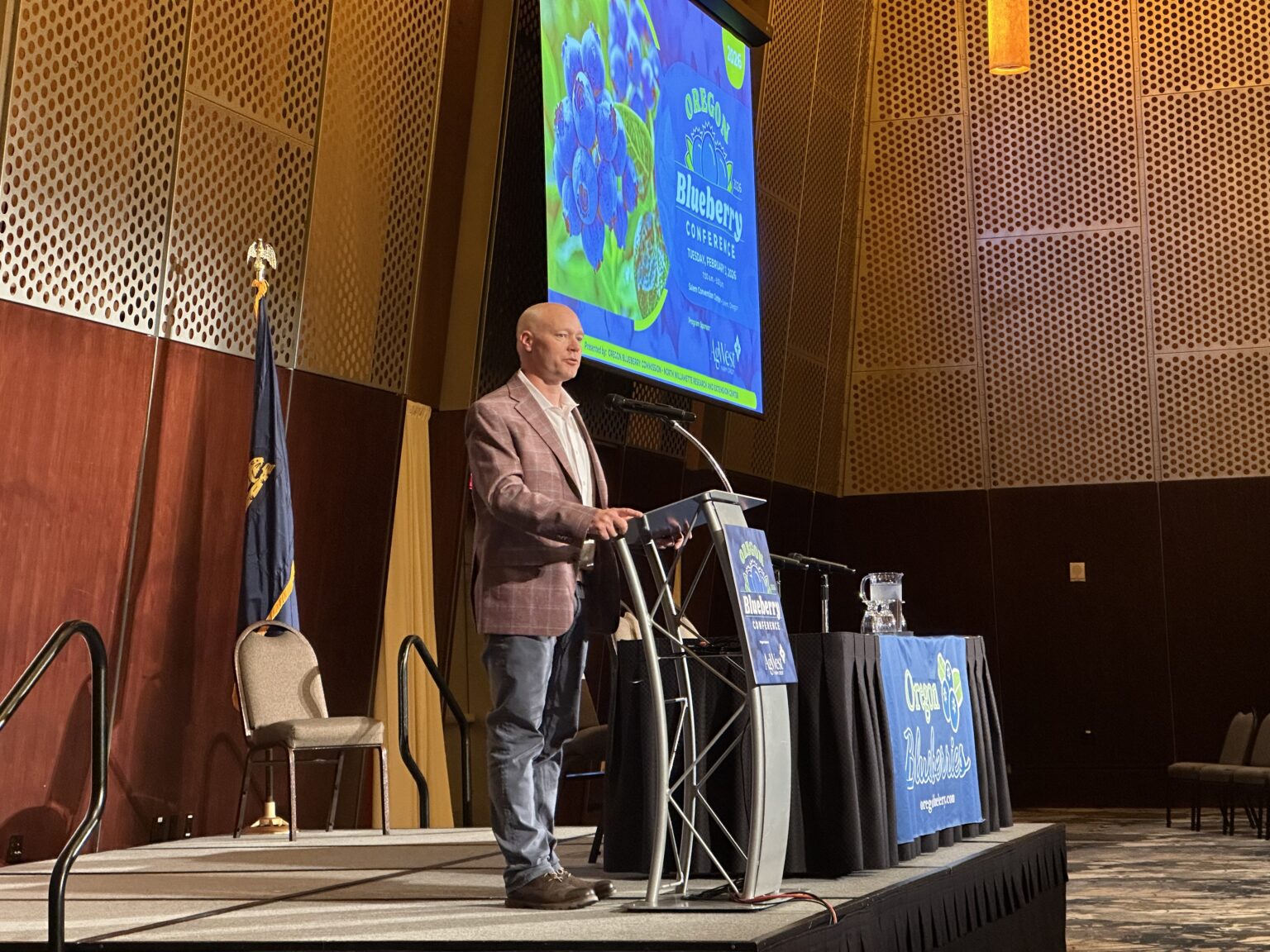
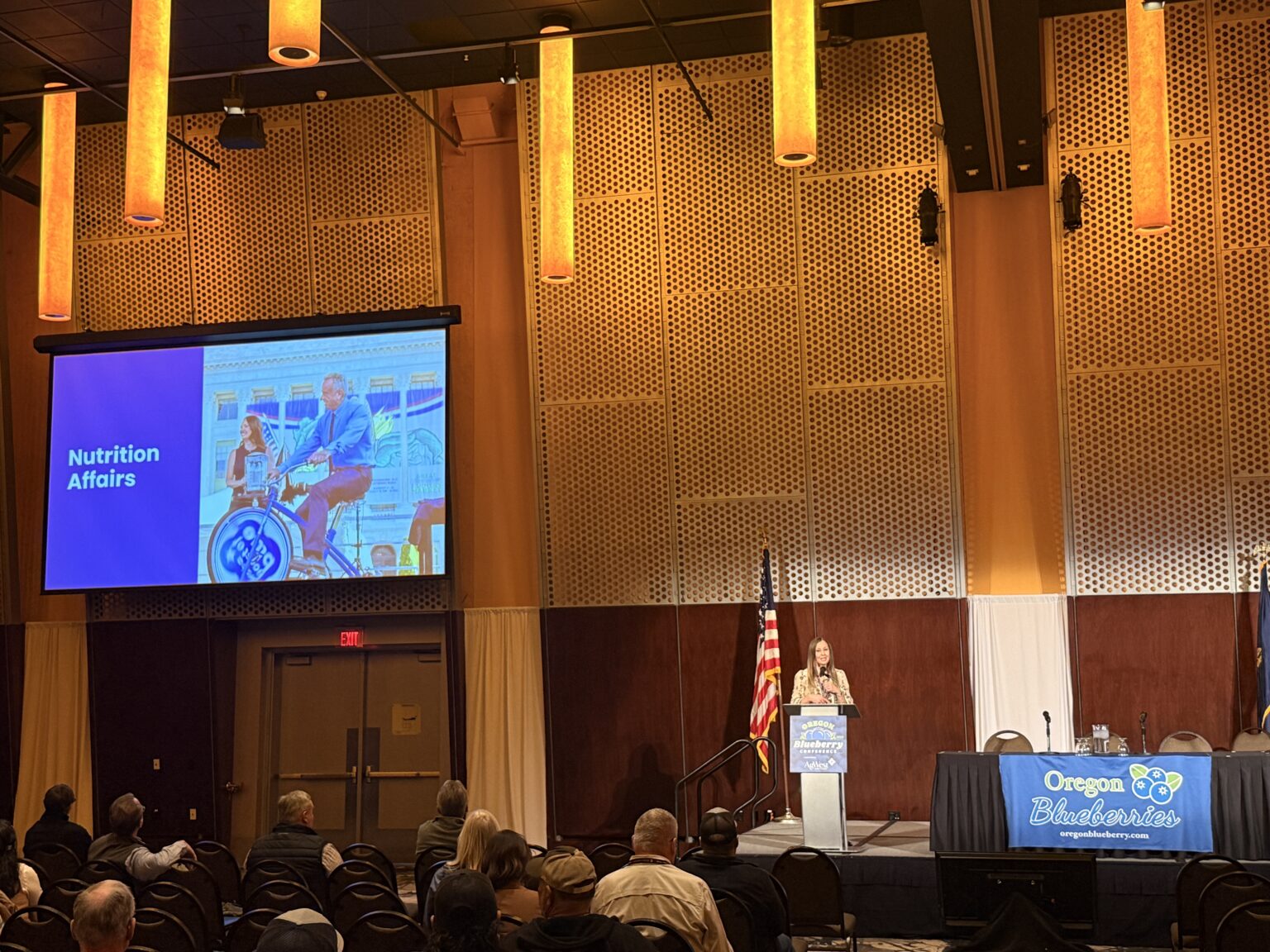
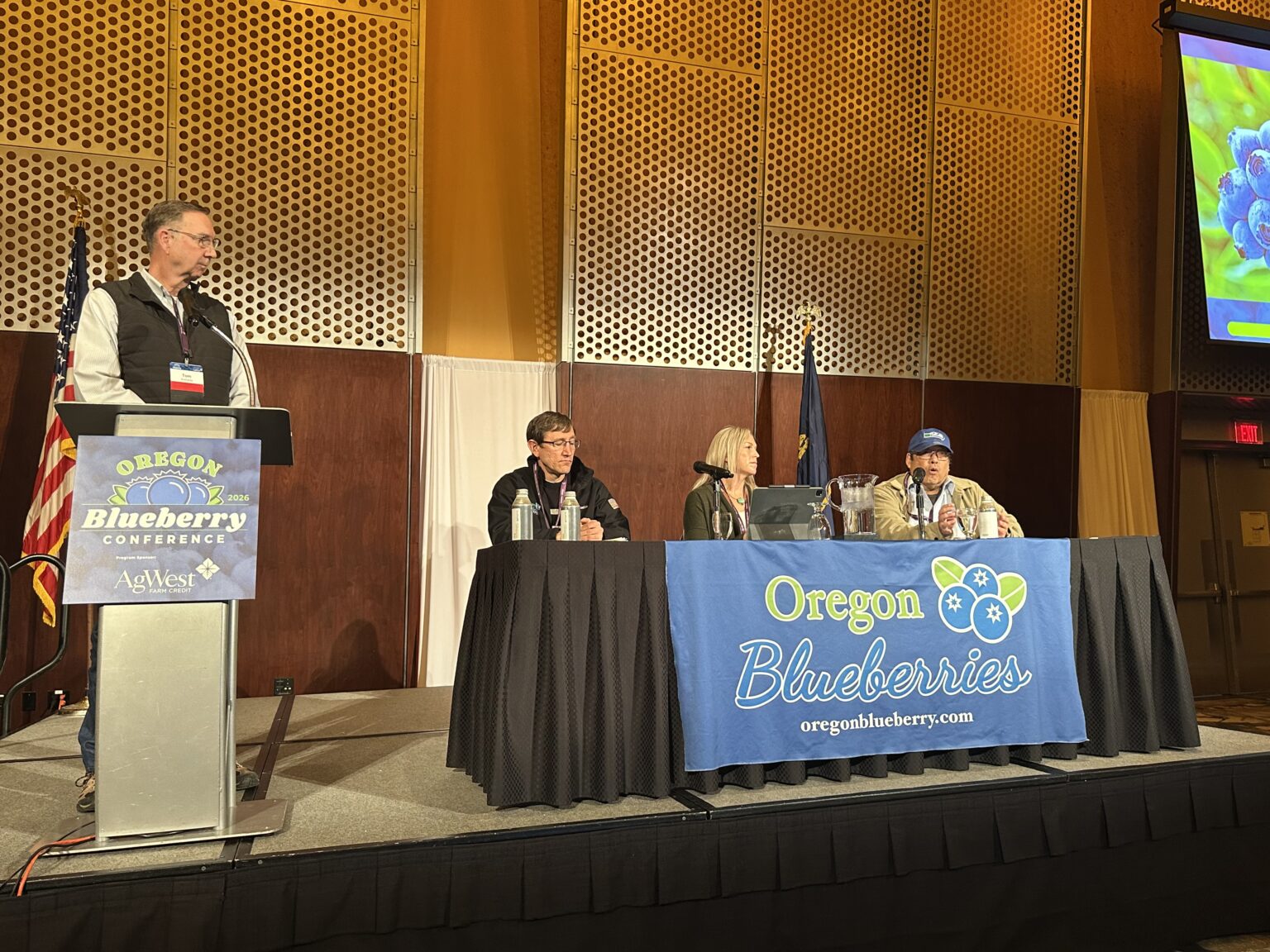
Earlier this month, leaders from the NABC and USHBC took the stage at Oregon Blueberry Day to share a unified vision for the industry’s growth.
NABC/USHBC President Kasey Cronquist kicked off the session, followed by Alyssa Houtby, senior director of government affairs and public policy. Houtby provided a deep dive into advocacy efforts in Washington, D.C., highlighting a joint initiative to boost blueberry demand through federal nutrition policy and expanded export markets — two pillars essential for long-term grower success.
The focus then shifted to promotion, with USHBC Promotion Committee Chair Brian Bocock outlining how increased resources are being funneled into future-focused growth.
The day also featured a grower panel with NABC Treasurer Thomas Avinelis, NABC Vice Chair Ellie Norris, USHBC Chair Bryan Sakuma and USHBC Promotion Committee member Jeff Malensky, who addressed frequently asked questions about the council’s approval of increasing the USHBC assessment.
Blueberries Star in Uber Eats Social Media Ad
In case you missed it, blueberries starred in an Uber Eats social media ad leading up to the Big Game earlier this month.
In a whirlwind of conspiracy-theory logic, actors Matthew McConaughey and Parker Posey connect the dots: Former Detroit Lions legend Barry Sanders (in that iconic blue jersey) is actually a subtle psychological plant for … “Blue Barry” = Blueberry.
The video was part of Uber Eats’ massive ad campaign making the case that “football is selling food” and has been doing so for decades.
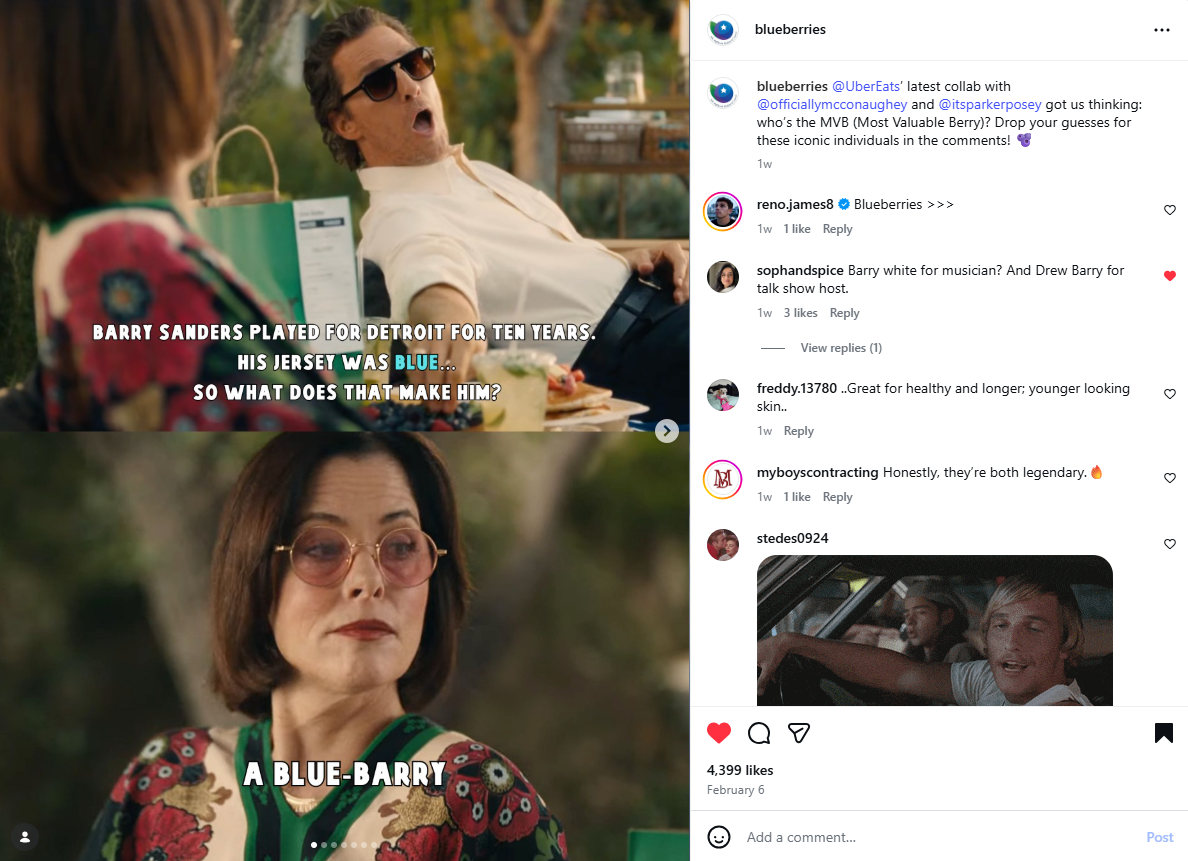
In response, @blueberries on Instagram shared and boosted a fun carousel post to encourage our followers to join the conversation on other “legendary berries,” which garnered about 4.4K likes and more than 213K impressions among a unique reach of 147K+. We also partnered with influencers to reshare the post, engage with the ad and post their own game day content featuring blueberries, hitting a collective additional 411K+ impressions and 30K engagements.

Mark Your Calendar: The Blueberry Convention, Sept. 22-24
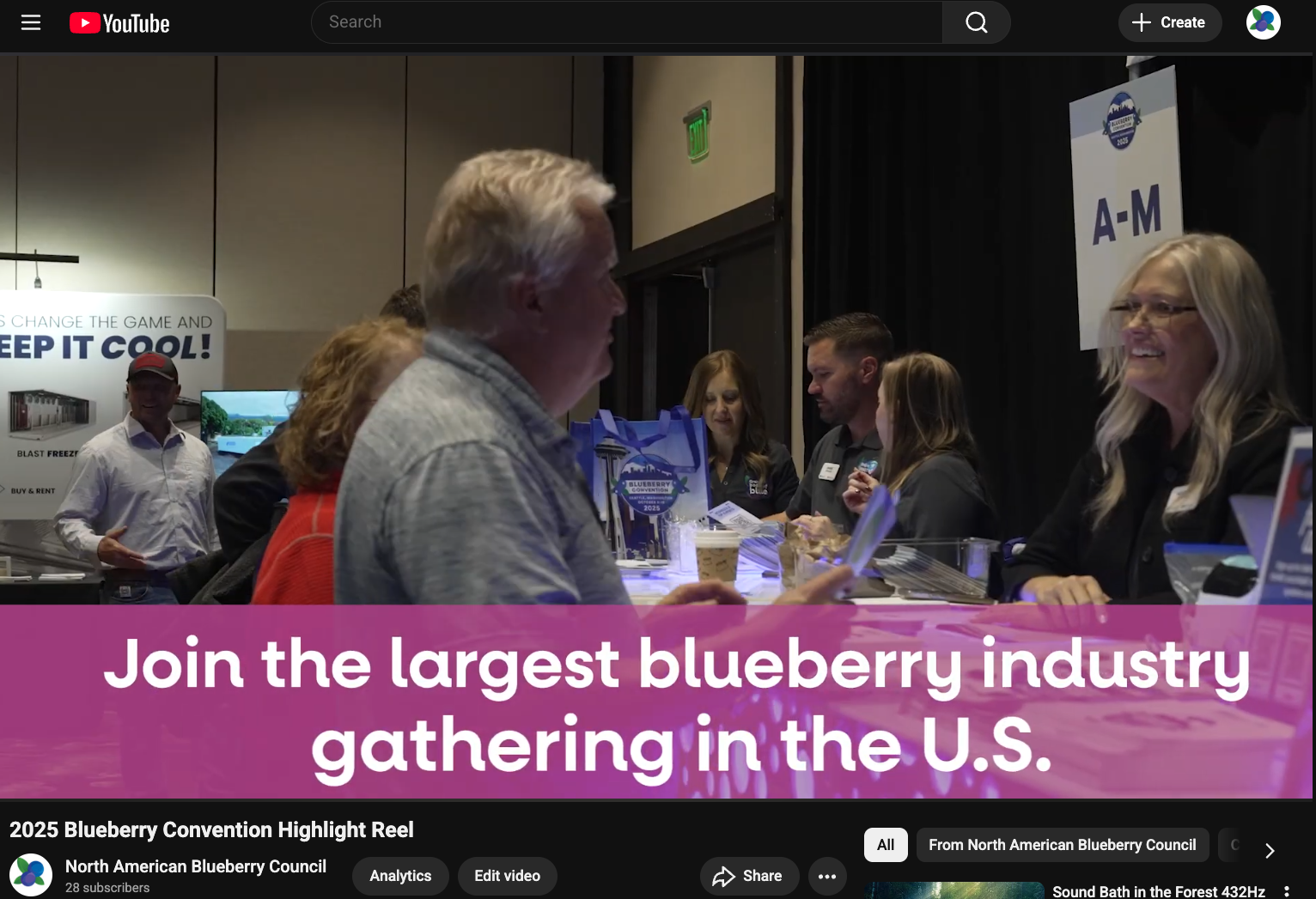
This fall, the blueberry industry is gathering in Monterey, California, for The Blueberry Convention. There are dozens of reasons why this event is must-attend, and this video shares many of them!
Mark your calendar now and plan to join us to:
- Discover cutting-edge advancements and industry tech.
- Learn to optimize productivity with smart, field-ready solutions.
- Explore innovative solutions and smart tools on Blueberry Lane. Network and exchange ideas with the industry’s best
Reserve your room today! Sign up and take advantage of early-bird pricing when registration opens in March.
Member Exclusive: Weekly Crop Reports
NABC members have exclusive access to audio and print versions of our weekly crop reports! Simply log in to dive into the details!
Many thanks to our dedicated growers and community members who generously contribute their time and insights to these reports every week.
Meet Our Newest Members
The word is out: NABC membership pays off. As our network grows, please join us in welcoming those who just hopped on board:
- Natural Abundance Food Coop (Retail)
- John Galvan, University of Massachusetts (Affiliate)
Know someone who would thrive with us? Encourage them to join today!