
Topics in this issue of Blues Update:
- From the Chair: Industry Voices on the Industry’s Future
- Amplifying Advocacy Takes Center Stage at IFPA Washington Conference
- Chairman Thompson Unveils Securing Agriculture Workforce Act
- Honoring Blueberry Legacies: Submit Your Award Nominations
- Convention Corner: Secure Early-Bird Savings Before They Expire
- Volume and Market Insights From the Field
From the Chair: Industry Voices on the Industry’s Future
By Teddy Koukoulis, NABC Chair
The USHBC continuance referendum is fast approaching. I know it’s an incredibly busy time of year for most in the industry, but I hope you will make the time to learn more about the past, current and planned efforts of the organization we all created to grow the entire category. Most importantly, I believe you will find many reasons to believe that the investment we’ve collectively made in USHBC has delivered remarkable returns.
We recently launched a Referendum Resource Center that you can access to become more informed. While the facts are there in many forms, you will also hear from several industry leaders – from all over the United States – explaining why they will be voting to continue the work of USHBC.
Those voices are united with every member of the NABC Board of Directors in encouraging eligible growers and importers to vote “yes” in the upcoming referendum. As I mentioned last month, NABC was instrumental in creating USHBC to give our industry the research and promotional muscle it needs. Both NABC and USHBC work in lockstep to protect our growers’ bottom lines.
Without USHBC, no one would drive category growth. Importers and individual states would likely end up fighting for market share, pitting one point of origin or brand against one another. That approach does not make sense. When we come together – as we do through NABC and USHBC – we make bigger opportunities possible for everyone in the blueberry industry.
We’ve made incredible progress these past 25 years and have tremendous momentum on our side, with much more room to grow. I encourage you to vote “yes” when ballots are circulated mid-July.
Amplifying Advocacy Takes Center Stage at IFPA Washington Conference
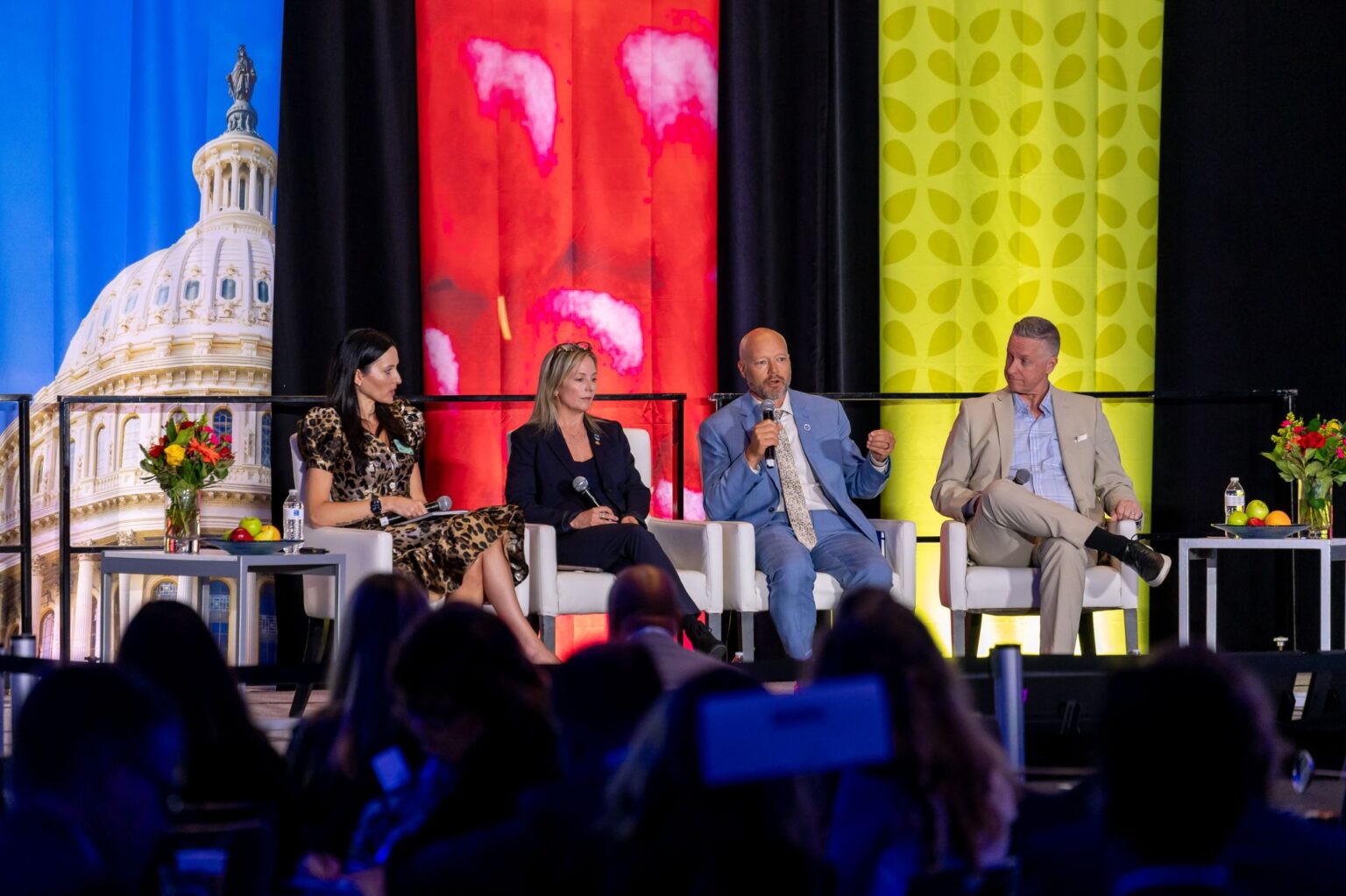
NABC President Kasey Cronquist was part of a panel discussion focused on amplifying advocacy at the International Fresh Produce Association (IFPA) Washington Conference in Washington, D.C., on June 9.
In his remarks, Cronquist touched on the importance of mechanization and research investments for labor-intensive sectors like blueberries, and the repercussions to the blueberry industry if Congress continues to delay passage of the Farm Bill. From the rising cost of labor to delays surrounding the bill, Cronquist explained that growers need certainty, policy modernization and innovation to compete globally.
“For blueberry growers, Farm Bill investments are not just about making operations more efficient. At a minimum, they’re about survival, and at best, they’re about profitability and long-term competitiveness,” Cronquist said. “Labor is by far the largest cost input for many blueberry operations, accounting for 40% to 60% of total production costs. That’s why technology and mechanization have become so important. It’s the single largest area where growers have the ability to meaningfully reduce costs.”
Cronquist went on to explain Congress’ failure to pass a new Farm Bill has created uncertainty for blueberry growers.
“Our growers are not looking for ad hoc assistance programs or temporary bridge funding,” he said. “They need the foundational investments that come through the Farm Bill – things like crop insurance, disaster assistance, research, conservation programs and export market development. Those programs give growers the confidence to make big decisions, whether that’s investing in mechanization, adopting new varieties, or upgrading infrastructure.”
Cronquist was joined on the panel by Kam Quarles, president of the National Potato Council, and Rachel Roberts, president of American Mushroom. The panel was moderated by Sara Neagu-Reed, IFPA’s director of production and environmental policy.
Chairman Thompson Unveils Securing Agriculture Workforce Act
House Agriculture Committee Chair Glenn “GT” Thompson recently unveiled the Securing Agriculture Workforce Act, legislation aimed at modernizing the H-2A program and addressing the workforce challenges facing U.S. agriculture.
The legislation builds on a suite of bipartisan recommendations developed by the Agricultural Labor Working Group, which was established within the House Agriculture Committee during the 118th Congress.
In announcing the legislation, Chairman Thompson emphasized the urgency of addressing agriculture’s labor challenges.
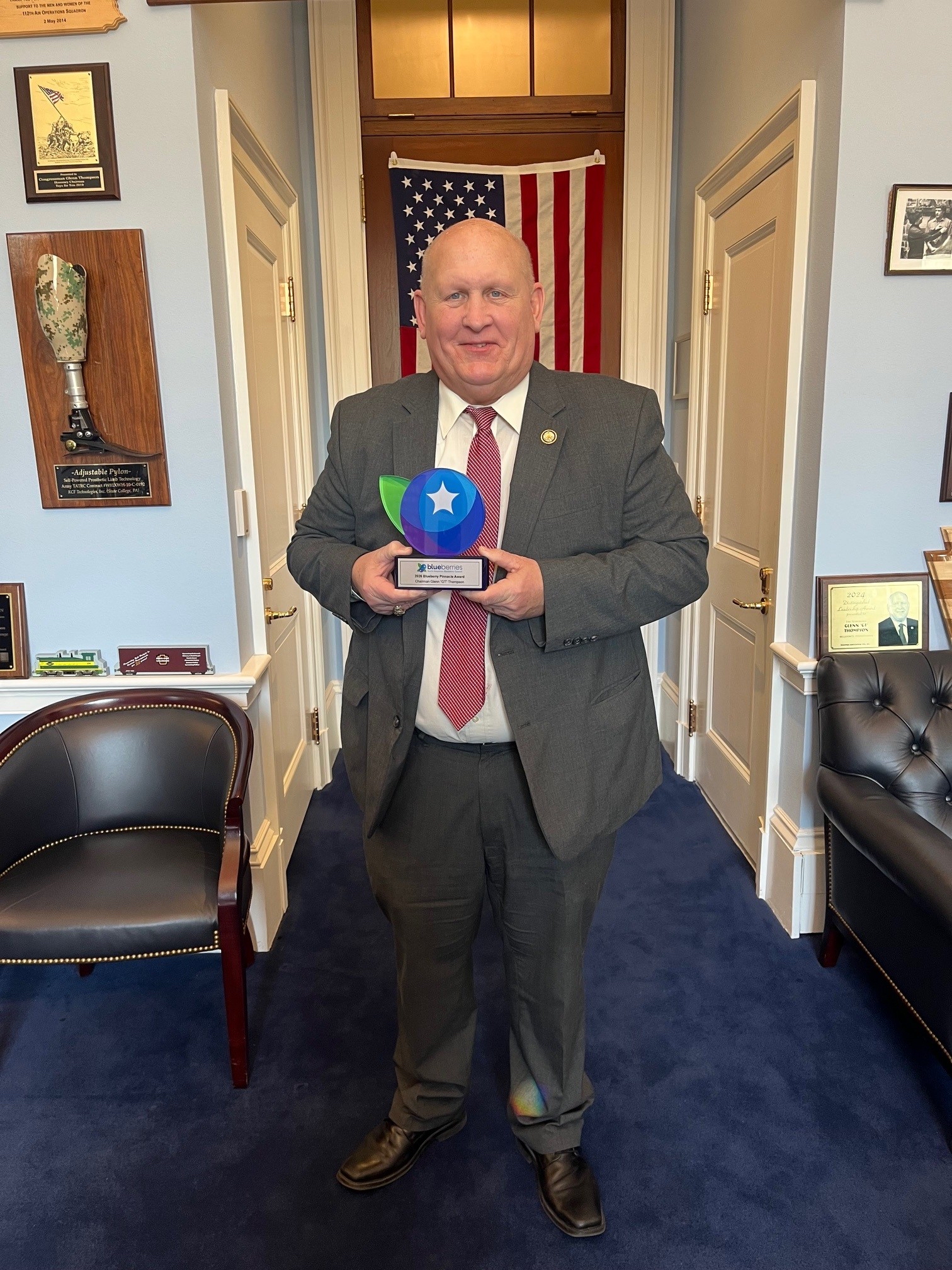
“Through my work traveling the country working on the farm bill, it was clear to me that the agriculture industry is in crisis when it comes to having the labor necessary to maintain a resilient food supply. The existing H-2A program is not sufficient to meet the needs of today, much less the demands of the future.”
Agricultural labor has long been a top policy priority for the NABC. As labor costs continue to account for an estimated 40% to 60% of production expenses for many blueberry growers, workforce availability and affordability remain critical to the long-term competitiveness of the U.S. blueberry industry.
For years, NABC and its members have advocated for practical improvements to the H-2A program through direct engagement with Congress, federal agencies and industry coalitions. During the annual Blueberry Hill Climb, growers consistently rank agricultural labor among their highest priorities, meeting with lawmakers and administration officials to share firsthand experiences with rising labor costs, workforce shortages and administrative challenges within the H-2A program.
The introduction of the Securing Agriculture Workforce Act represents an important milestone in those advocacy efforts. Many of the challenges identified by blueberry growers are directly addressed in the legislation.
Key H-2A Reforms
- Wage Rates
The legislation largely codifies the Adverse Effect Wage Rate (AEWR) methodology established by the U.S. Department of Labor’s Interim Final Rule (IFR), while adding additional protections designed to reduce year-to-year wage volatility and improve predictability for agricultural employers.
As with the IFR, wage rates for H-2A workers would continue to be based on occupational wage data rather than a single statewide wage rate. Entry-level occupations would be set at the 17th percentile of the wage distribution for the occupation within a state (or nationally if state-specific data is unavailable), while experience-level occupations would be set at the 50th percentile, or median, of the wage distribution.
One of the most significant additions to the current IFR framework is the establishment of annual limits on AEWR adjustments. To provide greater stability for both employers and workers, annual AEWR increases would be capped at 3.25% above the previous year’s rate, while decreases would be limited to no more than 1.5% below the prior year’s level.
Additionally, the legislation would require the DOL to make an annual determination regarding whether agricultural wages are having an adverse effect on U.S. workers.
- Housing Adjustment
The bill also creates a standardized approach for housing deductions under the H-2A program. DOL would be required to establish a maximum daily housing deduction based on a formula tied to statewide fair market rental rates.
Employers would be required to clearly disclose any daily housing charge in the job order submitted with an H-2A petition. Unlike the current hourly-based adjustments under the IFR, the proposed deduction would remain fixed regardless of the number of hours worked, similar to the existing meal charge structure within the H-2A program.
- Expanded Access for Packinghouses
Another provision of particular importance to the blueberry industry broadens the definition of “agricultural labor or services” to explicitly include the handling, packing and processing of agricultural commodities.
This change would allow both on-farm and off-farm packinghouses, as well as agricultural cooperative associations, to use the H-2A program, effectively removing the current practice that restricts access to only on-farm packinghouses that handle at least 50% of their own product.
- Addressing Existing Agricultural Workforce Needs
The legislation provides a narrow, specific pathway for undocumented domestic agricultural workers to transition into the H-2A program by waiving the 3-year and 10-year bars for illegal presence specifically for those enrolling in the H-2A program.
While the proposed legislation does not explicitly use the term “undocumented,” it creates a specific legal carve-out for these workers through a targeted waiver.
Under current immigration law, individuals found to be in the United States illegally are typically barred from petitioning to return legally for a period of three or 10 years, depending on the length of their unlawful presence. The bill would waive specific grounds of inadmissibility and deportability for conduct that occurred prior to the individual first receiving H-2A status. In practice, this waiver creates a pathway for agricultural workers currently in the U.S. illegally to transition into the H-2A program.
The provision reflects an effort to address labor shortages by creating legal workforce options for agricultural employers while maintaining a narrowly focused approach specific to agricultural employment.
View a section-by-section summary here.
Honoring Blueberry Legacies: Submit Your Award Nominations
Nominations are officially open for the the NABC Awards and the USHBC Women in Blueberries: Elizabeth White Award.
This is your opportunity to help recognize the leaders, innovators and changemakers who continue to shape the future of the blueberry industry.
This year’s recipients will be celebrated during The 2026 Blueberry Convention, taking place in Monterey, California, September 22-25. But first, we need your input to help identify the standout individuals whose contributions deserve to be recognized.
Please review the categories below and submit your nominations by Aug. 14.
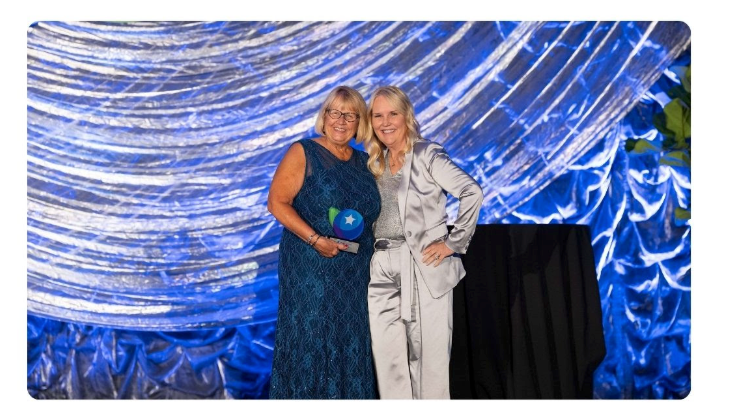
Women in Blueberries: Elizabeth White Award
Launched in 2025, this award celebrates women who have impacted the blueberry industry through groundbreaking research, innovative business practices, advocacy or leadership. Nominate now!

The Blueberry Hall of Fame Award
Honors leaders, growers and suppliers who have made a lasting impact on the blueberry industry in North America. Nominate now!
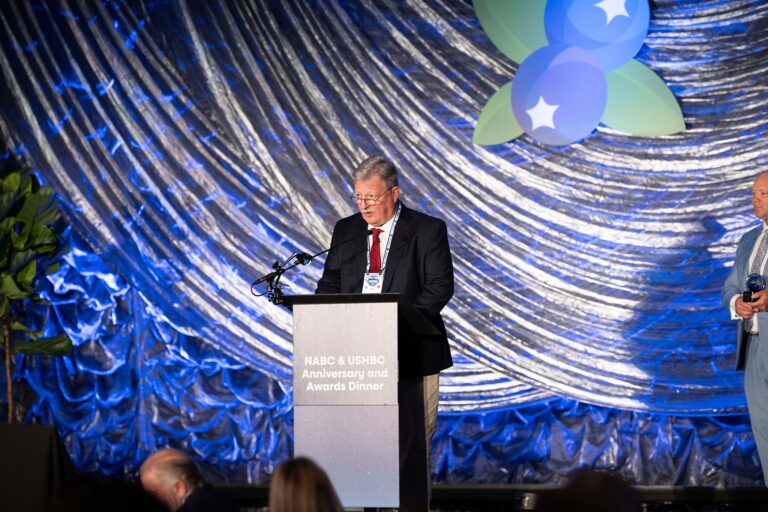
The Duke Galletta Award
Recognizes excellence in blueberry horticultural research. Nominate now!
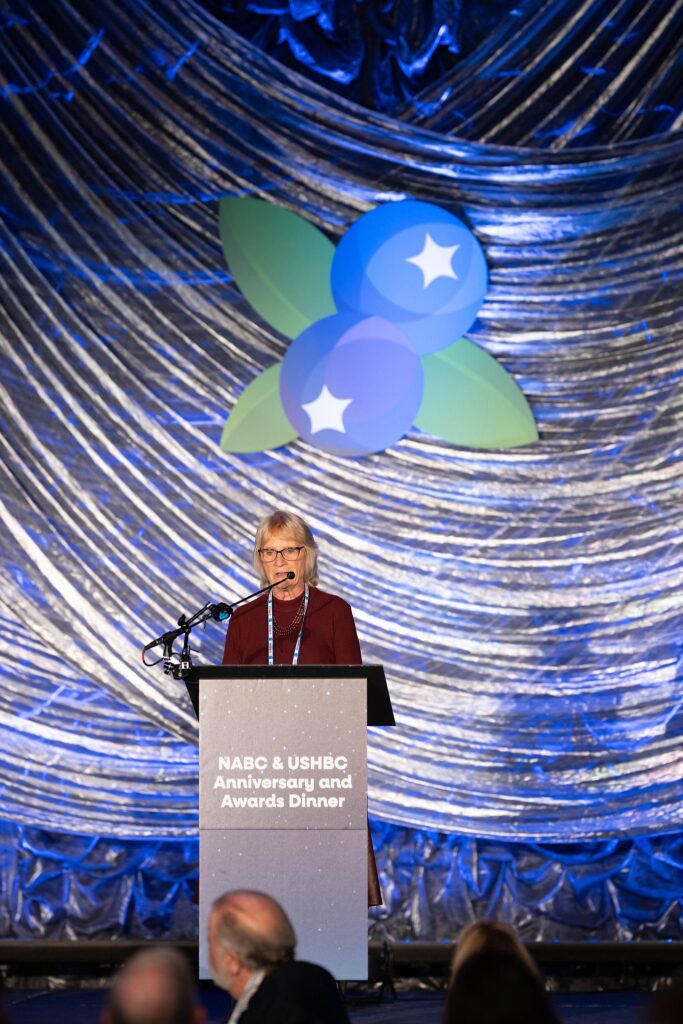
The Alex Wetherbee Award
Honors outstanding contributions in marketing and promotion. Nominate now!
Help us recognize the people whose work, leadership and dedication continue to carry these legacies forward. Submit your nominations by Aug. 14.
Convention Corner: Secure Early-Bird Savings Before They Expire
If registering and securing housing for The 2026 Blueberry Convention, Sept. 22-25 in Monterey, California, somehow slipped off your to-do list, now’s the time to take action.
Lock in early-bird pricing by signing up today!
The Blueberry Boost Accelerator Is Back!
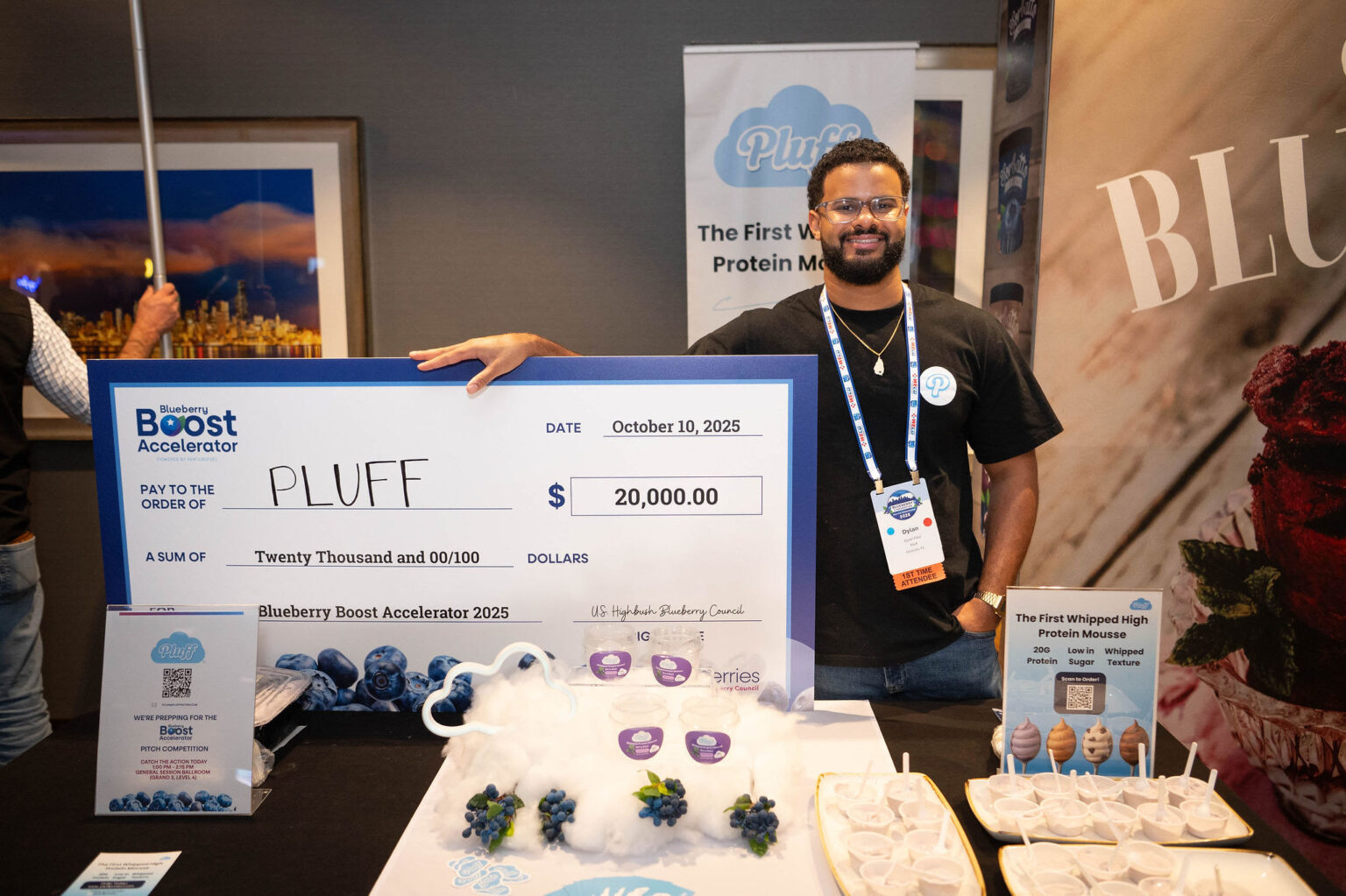
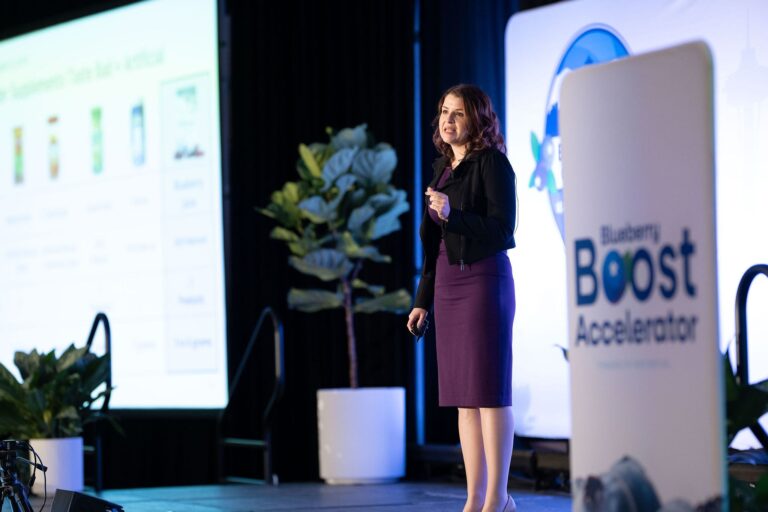
One of The Blueberry Convention’s most popular sessions – the Blueberry Boost Accelerator Pitch Competition – is back for 2026! And here’s the best part … this exciting event is FREE to attend with your convention registration.
A huge hit at last year’s convention, the Blueberry Boost Accelerator propels standout products and entrepreneurs who are innovating with blueberries toward growth and commercialization.
Be there to:
- Watch finalists go head-to-head, presenting their products to a judging panel of industry experts and making their case for why their product is the next big consumer sensation.
- Sample innovative, blueberry-infused products and participate in a live Q&A with contestants.
- Meet the grand prize winner who will walk away with $20,000, and the runner-up who will take home $10,000 to further accelerate their blueberry-forward business.
Be part of the excitement of this “Shark Tank” style presentation by registering for The Blueberry Convention today and including this FREE event in your registration.
Schedule Highlights
Beyond the essential education sessions, inspiring keynotes and the pitch competition, this year’s convention schedule is packed with exclusive events you don’t want to miss, including:
Ribbon Cutting and NABC President’s Welcome Reception
Start The Blueberry Convention with an evening of connection and celebration as we officially open the event with a ribbon-cutting ceremony. Then, enjoy the NABC President’s Welcome Reception and stroll down Blueberry Lane to visit exhibitors; reconnect with industry colleagues; and discover the products, services and innovations helping move the blueberry industry forward.
Keynote and Awards Breakfast
Join us for a special morning of inspiration and celebration as we gather for a featured keynote and recognize outstanding leaders in the blueberry industry. During this breakfast, NABC will present its annual awards, including the Elizabeth White Award honoring women in blueberries.
Committee Forums
Committee Forums are new interactive sessions designed to connect you with the work of USHBC’s Promotion and Industry Engagement Committees, highlighting current projects and creating space for industry input and discussion.
NABC Crop Report
Hear crop updates from growing regions across the blueberry industry, giving you a timely look at production conditions and the current state of the season.
Governance Meetings
Participate in the USHBC Council meeting, the NABC Board meeting and the NABC United Blueberry Advisory Committee to get up-to-date on important industry topics, discuss priorities and help guide the organization’s work on behalf of the blueberry industry.
BerryFit Club 5K
Kick off day two with the BerryFit Club 5K, a fun and energizing way to start the day before convention programming begins. Runners and walkers of all paces are welcome.
Grab a Boost of Blue Happy Hour
This relaxed gathering is where you can connect, unwind and celebrate a great week together before heading home or on to the industry tour.
Check out the full (and regularly updated) schedule to see everything we have planned!
Meet Our Exhibitors
Blueberry Lane and Blueberry Row are your go-to spots to connect directly with the people, products and services supporting the blueberry industry. Explore the latest solutions, ask questions and meet the exhibitors helping drive innovation across the supply chain.
Check out who will be there, and stay tuned as the list keeps growing:
- A & B Packing
- BeeFlow
- BeeHero
- Crawford Packaging
- Ellips
- Fall Creek
- Fine Field
- Highland Packaging Solutions
- Koppert
- Monte Package Company
- Multivac
- NNZ Inc.
- Oregon Blueberry
- Oxbo International
- Pinion
- Punchbowl Automation
- Skyshield Solutions
- SWAN Systems
- Thunderbird Plastics
- Tomra
- Unitec
- WECO
Please reach out to Mandy Boarman at [email protected] to learn about all of the exhibitor and sponsorship options.
Register Now to Save
Register today to lock in early-bird pricing (ending soon!) and book your room within our discounted housing block at the Hyatt Regency Monterey.
Volume and Market Insights From the Field
Duke variety underperformance is the defining story of week 25, with undersized fruit reported across Washington, Oregon, British Columbia (BC) and New Jersey simultaneously, prompting BC to revise its provincial forecast down roughly 15 million pounds to ~165 million pounds.
California is effectively out of the fresh market — on pace to close at 85 million pounds — leaving a near-term supply gap that’s driving exceptionally strong prices, a window that Pacific Northwest growers are expected to close within two to three weeks as Draper harvest comes online. SWD pressure across Washington and Oregon is tracking earlier and heavier than normal due to the mild winter, representing the most significant ongoing risk to late-season fruit quality as populations are expected to climb through July. Mexico rounds out the week with a cumulative season total of 158 million pounds — +16.0% above last season at the same point — with approximately three weeks remaining before the season closes.
Get a clear, region-by-region breakdown of the latest numbers with our weekly crop reports, designed to help you map out your week with accurate boots-on-the-ground intelligence.
NABC members get exclusive access to these updates in two formats – read the print edition or listen to the audio report on the go.
Log in now to hear what your peers are seeing in the field.
Thank you to the growers who provide weekly updates to keep our community informed!