
Topics in this issue of Blues Update:
- From the Chair: Uniting for Our Future – The USHBC Referendum
- Major Legal Victory: Court Keeps Favorable H-2A Wage Rule in Place
- South Korea Site Visit Advances Fresh Blueberry Access
- Policy Update: House Farm Bill Clears the House, Ag Appropriations Wins
- USHBC Awarded $150,000 in EMP Funding
- Convention Corner: Here’s the Inside Scoop on The Blueberry Convention
- 2026 MRL Database and Exporter Guidance Is Now Available
- Get the Full Picture From the Field
- NABC Membership Just Keeps Growing!
From the Chair: Uniting for Our Future – The USHBC Referendum
By Teddy Koukoulis, NABC Chair
Since 1965, the NABC has been the voice for our growers. In fact, we were instrumental in creating the U.S. Highbush Blueberry Council (USHBC) to adequately fund the research and promotional muscle our industry needs. Today, the NABC stands as the proud founding organization and steward of the USHBC, ensuring both groups work in lockstep to protect our growers’ bottom lines through demand-driving efforts. With that in mind, the NABC Board of Directors is unanimously encouraging eligible growers and importers to vote “yes” in the upcoming referendum.
The blueberry industry came together and worked hard to create the USHBC 25 years ago to grow the entire category and make bigger opportunities possible for all of us to build the business, life and legacy we want. No other organization, not even NABC, can do what USHBC can do for the industry, and the work being done has never been more important than it is today.
We’re pleased to share that statewide industry commissions in Washington, Oregon and New Jersey have already shared public letters of support for the continuation of USHBC, and we anticipate more endorsements to follow from other organizations and industry leaders.
NABC will launch a dedicated referendum-related webpage in June to share many of the reasons to believe in the past, current and planned efforts of USHBC. First and foremost, we want voters to be informed. Second, we believe that when they learn more about the past impact, current momentum and the future opportunities for blueberries through the marketing, advertising and health research underway, it will be clear that the work must continue.
As always, our outlook is the brightest when we come together to drive real results and, in this case, continue to protect and expand the market share we’ve worked so hard to build. Now is the time to stay informed and engaged and to keep the momentum going to secure a prosperous future for all in the blueberry business.
I encourage you to vote “yes” when the voting period opens in July.
Major Legal Victory: Court Keeps Favorable H-2A Wage Rule in Place
On May 13, a federal district court judge in California officially denied a request by the United Farm Workers (UFW) to immediately block the Department of Labor’s new agricultural wage rule. This litigation challenges the modernized methodology for calculating the Adverse Effect Wage Rate (AEWR) for the H-2A temporary agricultural worker program. This rule has been highly favorable to the farming community, offering crucial financial stability amidst continuing challenges with input costs, inflation and higher interest rates.
For the plaintiffs to succeed in halting the rule, they had to prove the four “Winter factors” – a legal term, which, despite the name, has absolutely nothing to do with the weather. These legal requirements mean the plaintiffs must show: (1) they are likely to win the overall case; (2) they will suffer immediate, irreversible harm if the rule isn’t paused; (3) fairness leans in their favor; and (4) blocking the rule is in the public interest. Showing “irreparable harm” is an indispensable piece of this puzzle.
The court’s denial was based on the plaintiff’s failure to prove they would suffer this immediate, irreversible harm. The judge found that the workers’ complaints were mostly based on speculation about what might happen to their wages in the future, rather than any concrete, current financial injury. Most of the workers who submitted statements talked about hypothetical pay cuts, but failed to show they were currently employed, that their wages had actually been reduced, or that a pay cut was guaranteed to happen in their specific circumstances. Because failing to prove immediate harm is enough to throw out the request to block the rule, the judge explicitly stopped the analysis right there and didn’t even evaluate the other three Winter factors.
As part of a unified industry response, NABC joined a national coalition of over 25 agricultural organizations in filing a “friend of the court” (amicus) brief to support the new H-2A rule. This court outcome confirms exactly what the coalition argued from the start: The plaintiffs’ claims of harm could not survive close scrutiny, and the court needed to hear directly from employers about what the rule actually does in the real world. While the judge didn’t quote the industry briefs directly in the final analysis, the core issues the decision was based on were the exact points our coalition raised, proving the immense value of the agriculture industry’s collective voice.
This case isn’t over yet; the broader lawsuit will continue, and we expect further challenges to H-2A and related labor regulations in the months ahead. The NABC will continue to monitor these proceedings closely, step in where blueberry growers’ interests are at stake and keep the industry informed.
This is a major victory for the agricultural community. There are few things farmers can point to this year that cost them less than they did last year, and the mandatory wage rates for H-2A are a welcome exception, even though many growers already pay above the levels required by law. The NABC is proud to be part of this national coalition working on behalf of growers, and is pleased to share this win with the blueberry industry.
South Korea Site Visit Advances Fresh Blueberry Access
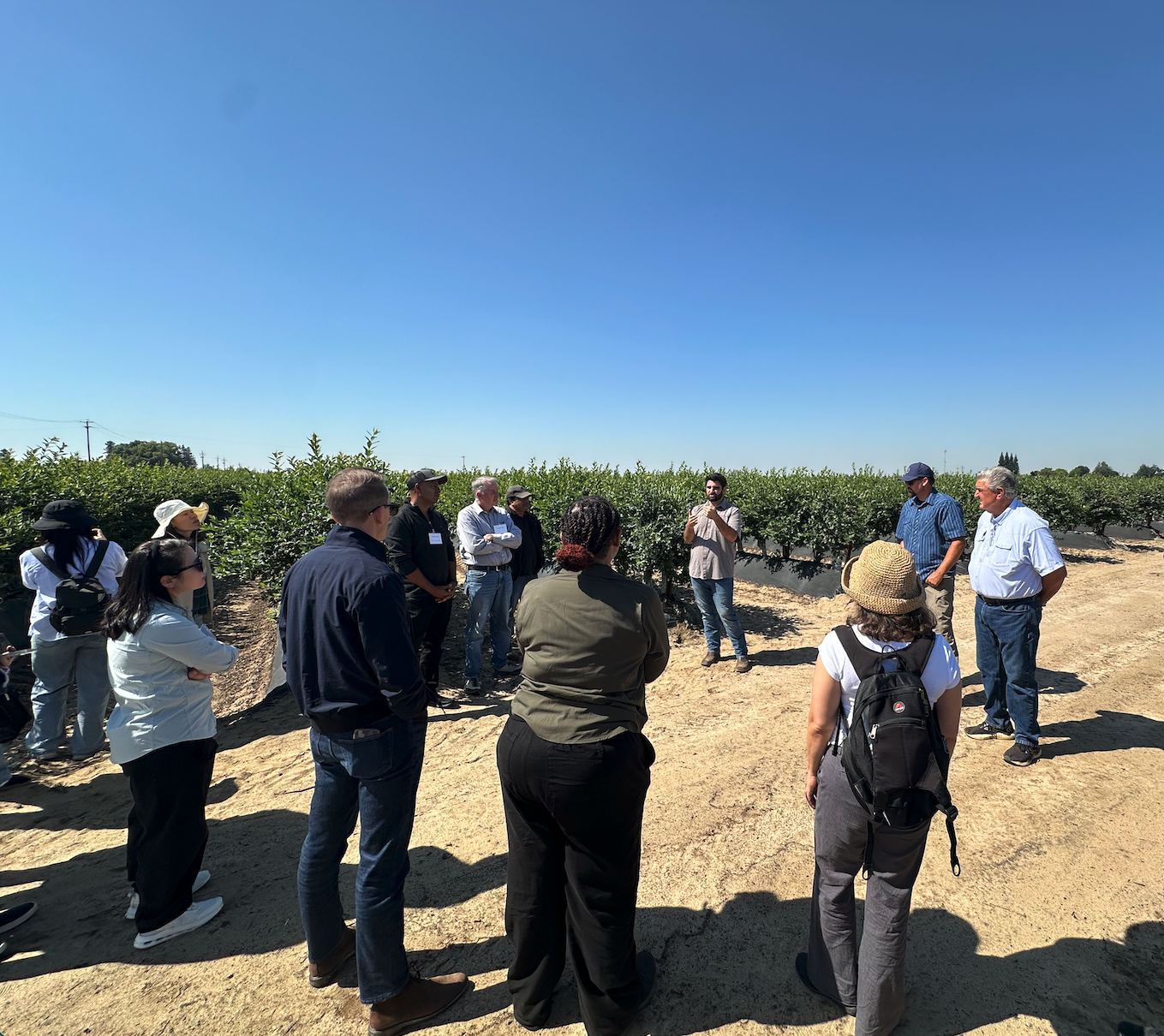
Securing expanded market access to South Korea has long been a top priority for the U.S. blueberry industry. In fact, this specific market access request for fresh blueberries from California and Washington has been in the works for nearly a decade.
Recently, that goal moved much closer to reality as we welcomed a delegation from South Korea for a site visit of California blueberry operations. This tour represents a vital milestone in our ongoing efforts to increase access to this important market.
South Korea is already a valued and vital market for our industry, serving as a leading destination for U.S. frozen blueberries and fresh blueberries from Oregon. This existing relationship reflects robust consumer demand and provides a solid foundation for future growth.
We extend a special thank you to NABC members Family Tree Farms and Jon Marthedal for generously hosting the delegation at their farms and packing facilities. We also want to express our gratitude to our partners at the California Blueberry Commission and Bryant Christie Inc. whose collaboration was instrumental in making this visit a success.
We look forward to continuing formal discussions with the USDA Animal and Plant Health Inspection Service (APHIS) and their counterparts in South Korea. By maintaining this strong bilateral dialogue, we are confident we can successfully advance market access and bring fresh California and Washington blueberries to Korean consumers!
Policy Update: House Farm Bill Clears the House, Ag Appropriations Wins
Last month marked a major milestone for our industry as the Farm Bill officially passed the House floor! This historic achievement would not have been possible without the dedication of NABC members who responded to our call to action and contacted their representatives. Your swift outreach ensured that the needs of specialty crop growers remained front and center. You can view the final roll call vote here.
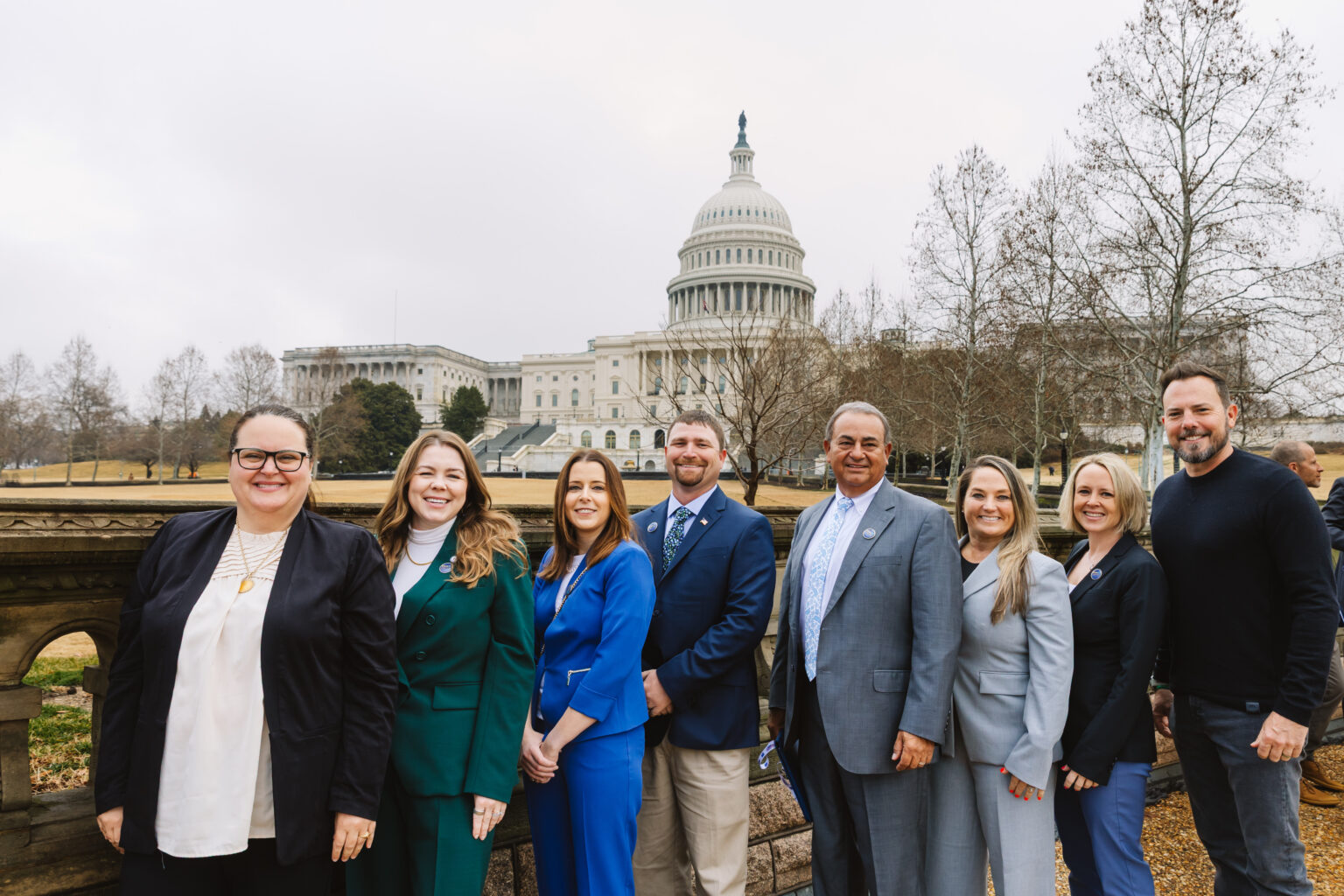
In addition to the House passing the Farm Bill, our advocacy yielded critical wins in the FY2027 Ag Appropriations bill reported by the House Appropriations Committee on April 29. This bill includes key industry priorities: report language directing USDA to administer the Assisting Specialty Crop Farmers (ASCF) program through the Marketing Assistance for Specialty Crops (MASC) framework. It also includes authority for the Secretary of Agriculture to waive the matching funds requirement for the Specialty Crop Research Initiative (SCRI), and language prohibiting the secretary from imposing any cost-sharing requirements on the Specialty Crop Block Grant (SCBG) Program.
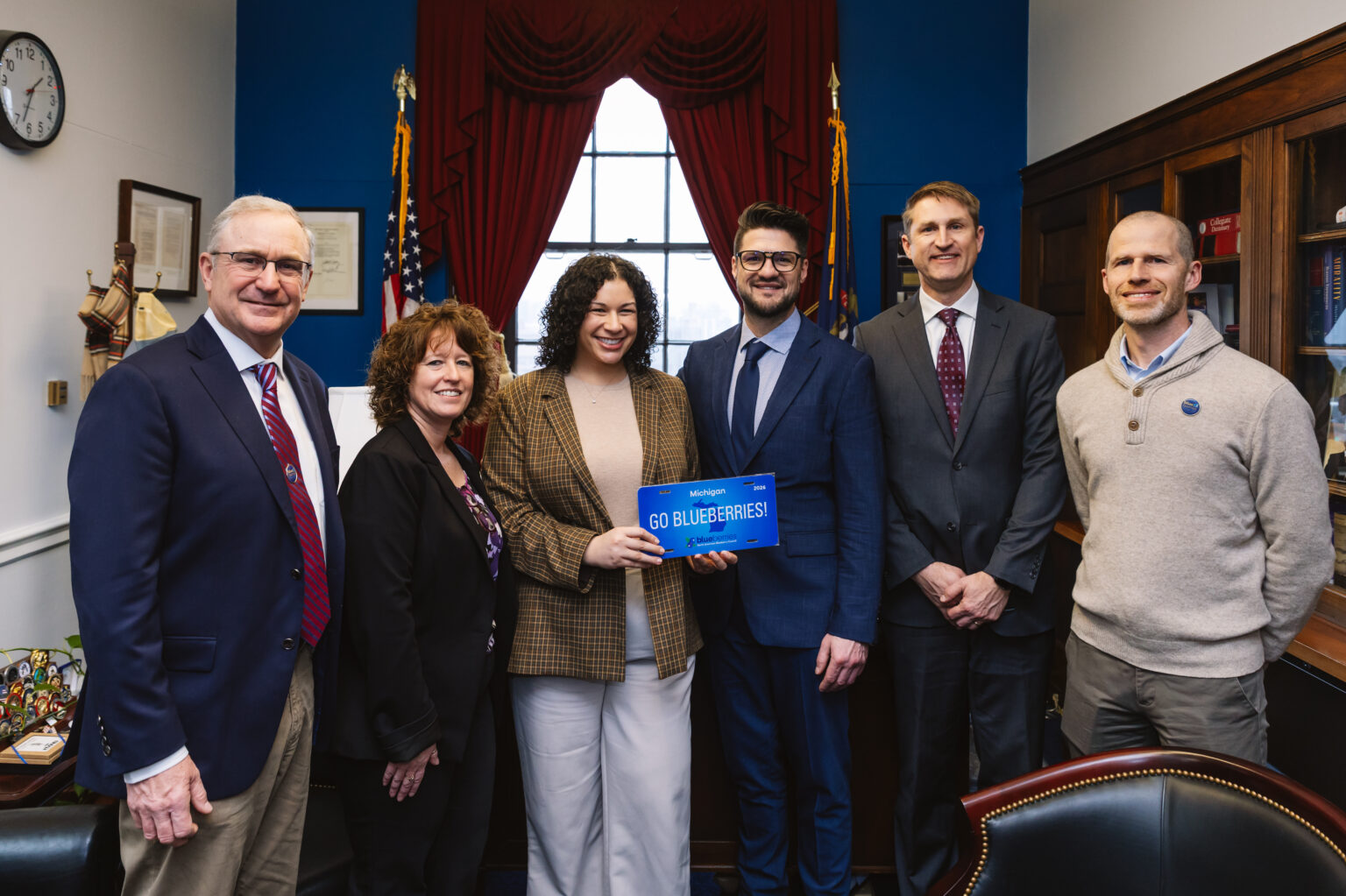
The Farm Bill battleground now shifts to the Senate, where Sen. John Boozman is expected to introduce a Senate version – likely very similar to the House version – in June, with a committee markup scheduled for July. Our North Star remains getting a final Farm Bill done before the current 2018 Farm Bill (which has already been extended three times) expires in September. To clear the finish line, lawmakers must navigate major political hurdles, particularly surrounding SNAP, and secure at least 60 votes to overcome the Senate filibuster.
It is also possible that the Senate moves a supplemental appropriations bill that includes economic assistance for specialty crops. NABC, alongside the broader specialty crop industry, has fiercely advocated for no less than $5 billion in this relief.
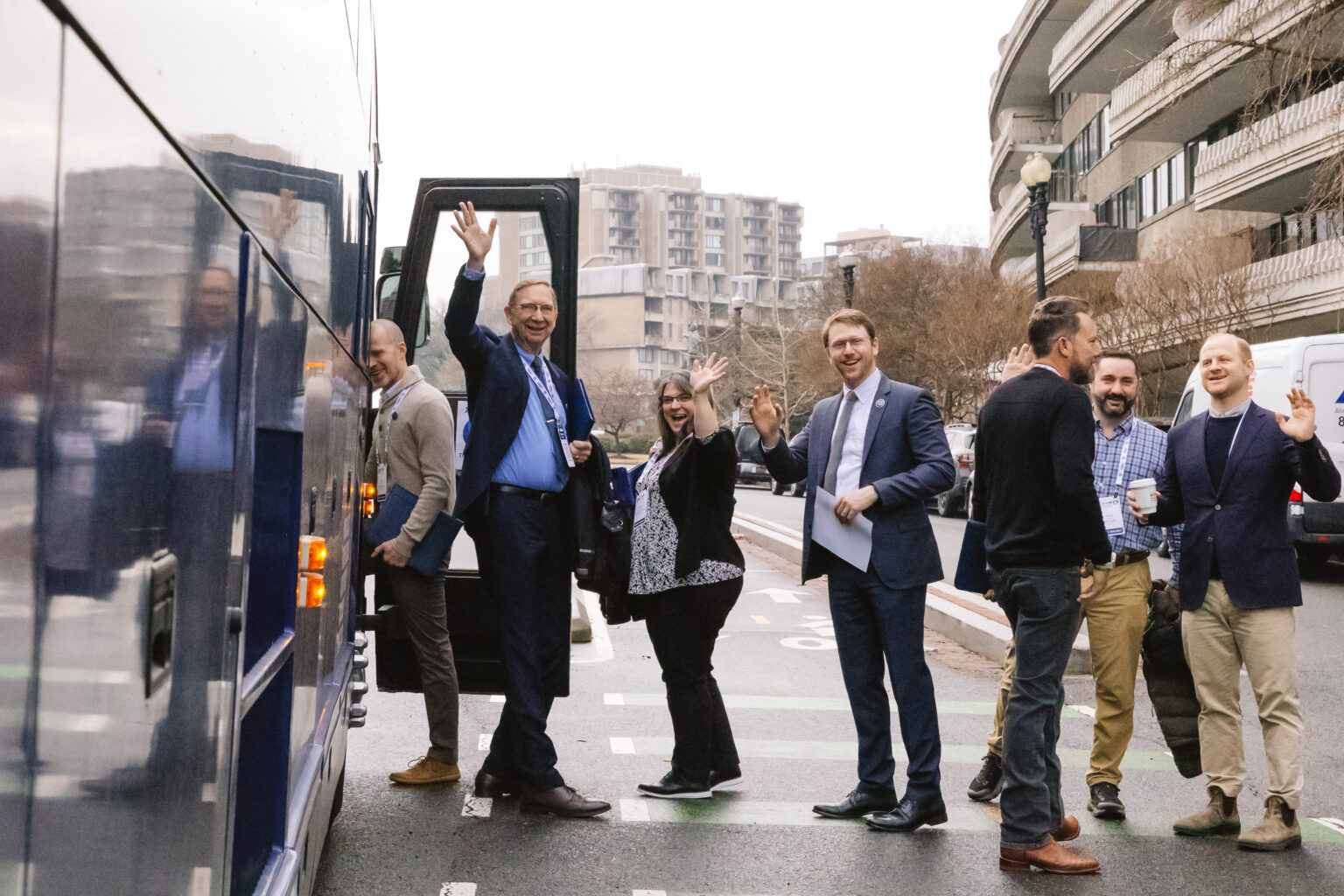
Thank you for your continued engagement as we keep our foot on the gas to advocate for the blueberry industry.
USHBC Awarded $150,000 in EMP Funding
The USHBC has been awarded a $150,000 grant from the USDA Foreign Agricultural Service’s (FAS) Emerging Market Program (EMP).
The EMP helps U.S. organizations promote exports of U.S. agricultural products to countries that have – or are developing – market-oriented economies and that have the potential to be viable commercial markets.
Through the EMP, FAS provides cost-share funding for technical assistance activities such as feasibility studies, market research, sectorial assessments, orientation visits, specialized training and business workshops.
For the blueberry industry, this $150,000 injection will be used for:
- A market feasibility study for frozen and further processed highbush blueberries in India.
The feasibility study will generate critical insights for Indian food producers and processors, particularly small- and medium-sized enterprises in rural areas, by exploring how blueberries can be used in popular products such as yogurts, bakery goods, confectionery and savory snacks. This knowledge can drive new product development, improve the nutritional quality of processed foods and support local efforts to position Indian-made goods for both domestic and export markets.
- Market assessment study for U.S. blueberries in Peru.
This project will deliver a comprehensive analysis of the Peruvian blueberry market, identifying when, where and how U.S. blueberries could compete and add value. It will examine domestic production, consumer trends, supply chain capacity, pricing dynamics and import regulations, while also highlighting any barriers to entry. The findings will equip U.S. industry stakeholders with the insights needed to determine whether and how to pursue opportunities in Peru – and to do so strategically and effectively.
The USHBC maintains a robust international market development program aimed at expanding global demand for U.S. blueberries through targeted trade and consumer initiatives. Priority markets include South Korea, Japan, India, Mexico, Vietnam, Malaysia and the Philippines. All activities are strategically designed to build awareness, drive preference and increase sales of U.S. blueberry products across both fresh and processed categories.
Convention Corner: Here’s the Inside Scoop on The Blueberry Convention

In case you missed the news, registration and housing for The 2026 Blueberry Convention, taking place Sept. 22-25 in beautiful Monterey, California, are now open!
Now’s the time to make your plans, secure your spot and take advantage of early-bird pricing.
Why Attend
The Blueberry Convention is the largest gathering of the blueberry industry in the U.S.— and this year’s event is packed with insights, connections and can’t-miss experiences designed to help move the industry forward.
You’ll want to be there to:
- Get the latest category data, insights and economic outlooks to guide your operations.
- See how the Blueberries GO BIG campaign is driving demand.
- Learn about our health research focus on cognitive health.
- Experience the energy of the Blueberry Boost Accelerator live pitch competition.
- Join the USHBC Council and NABC Board meetings on Wednesday.
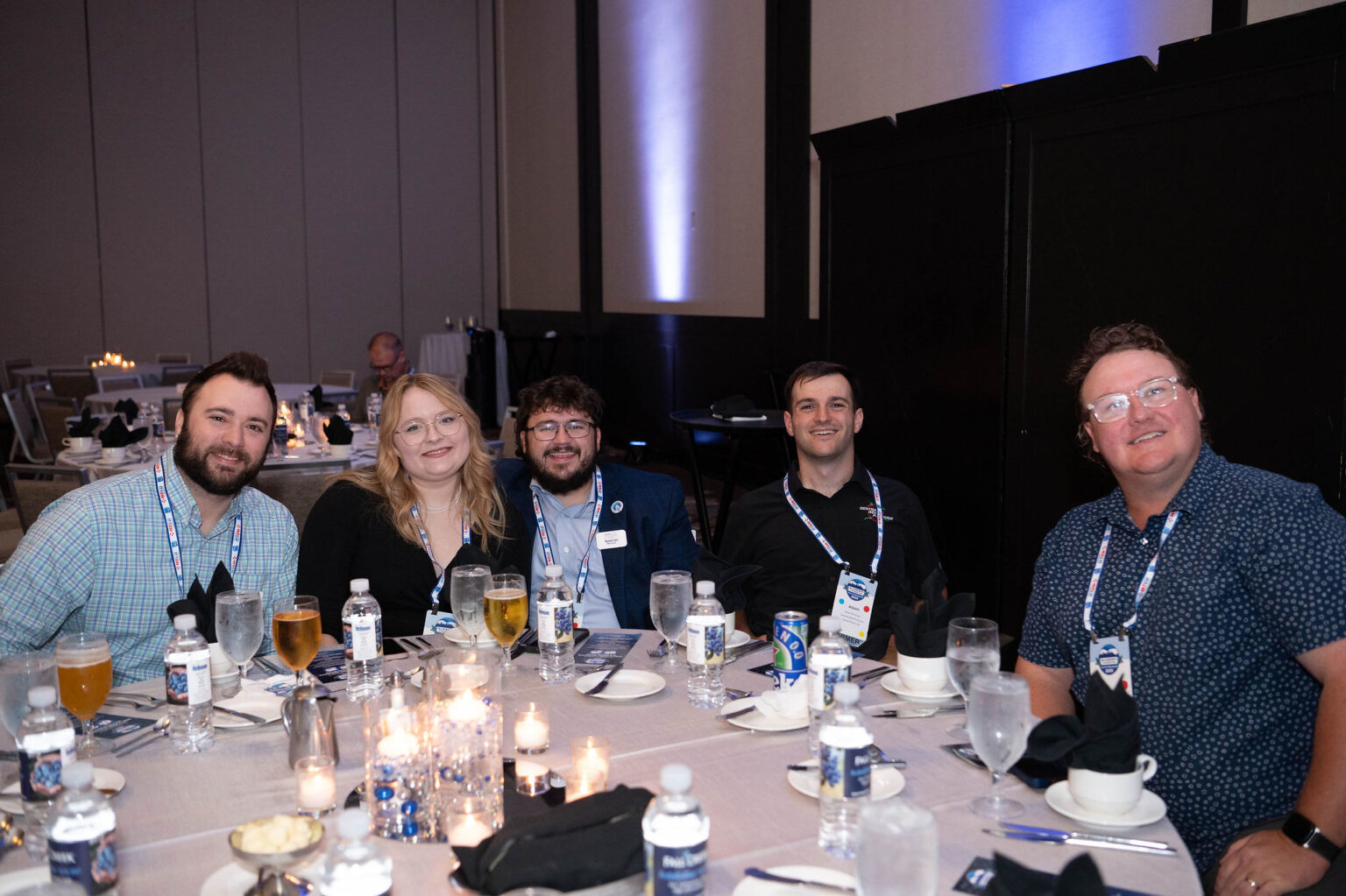
New for 2026
We’re bringing some exciting new features and opportunities to Monterey this year. Here’s a sneak peek at what’s ahead:
Tech Tuesday
Explore emerging and advancing technologies shaping the future of the blueberry industry during this special education session organized by the BerrySmart Technology Task Force. Over the course of two hours, attendees will gain insight into innovations, tools and ideas designed to support on-farm efficiency, data-driven decision-making and long-term industry progress.
Blueberry Night at the Monterey Bay Aquarium
You’ll be talking about this one long after the convention ends! Join us for a one-of-a-kind strolling dinner as the blueberry industry takes over the aquarium. Enjoy chef-curated food stations, coastal views and access to incredible exhibits — all in a vibrant setting designed for connection and celebration.
Meet, Eat & Explore
Enjoy a relaxed, open lunch in the heart of the convention action. With seating throughout the common areas near Blueberry Lane and Blueberry Row, it’s the perfect chance to grab a bite, connect with exhibitors and spend time with fellow attendees.
Blueberry Boardroom
Need a place to connect, collaborate or keep business moving during the convention? The Blueberry Boardroom will offer a dedicated space to meet with colleagues, host team conversations or hold business meetings throughout the event. Advance booking is encouraged, so stay tuned for reservation details.
Blueberries & Beyond: A Central Coast Tour
Wrap up the convention with an on-the-ground look at agriculture in the Monterey area. This industry tour will give you the opportunity to explore blueberry-related production, while also experiencing the broader agricultural landscape of California’s Central Coast.
Rest assured you’ll also have access to all of your favorites from past events, including the Blueberry Boost Accelerator live pitch competition (back by popular demand), the NABC Awards and the USHBC Elizabeth White Award, the BerryFit Club 5k and yoga, inspiring keynotes and timely education sessions.
Check out the schedule to see everything we have planned!
Meet Our Exhibitors
Blueberry Lane and Blueberry Row are your go-to spots to connect directly with the people, products and services supporting the blueberry industry. Explore the latest solutions, ask questions and meet the exhibitors helping drive innovation across the supply chain.
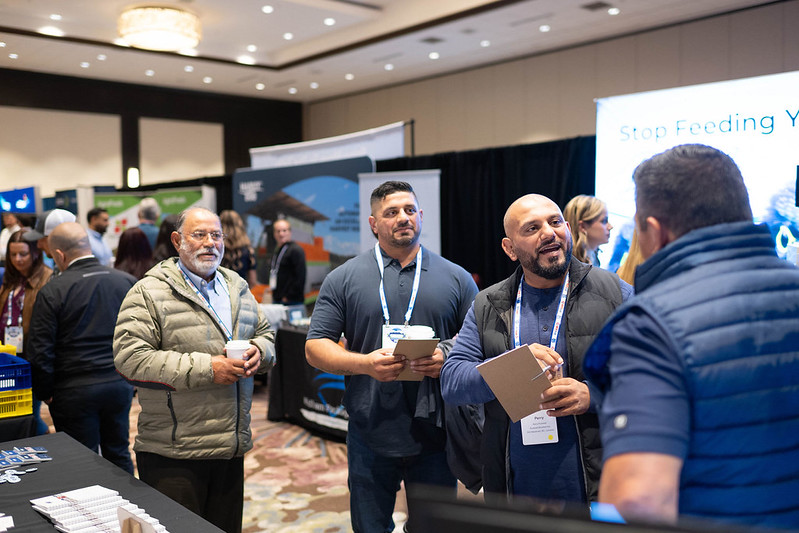
Check out who will be there, and stay tuned as the list keeps growing:
- A & B Packing
- BeeFlow
- BeeHero
- Crawford Packaging
- Ellips
- Fall Creek
- Fine Field
- Koppert
- NNZ Inc.
- Oregon Blueberry
- Oxbo International
- Pinion
- Punchbowl Automation
- Skyshield Solutions
- SWAN Systems
- Thunderbird Plastics
- Tomra
- Unitec
- WECO
Please reach out to Mandy Boarman at [email protected] to learn about all of the exhibitor and sponsorship options.
Register Now to Save
Register today to take advantage of early-bird pricing and book your room within our discounted housing block at the Hyatt Regency Monterey.
2026 MRL Database and Exporter Guidance Is Now Available
The 2026 Blueberry Maximum Residue Levels (MRL) Memo and accompanying MRL Guidance are now available on the U.S. Highbush Blueberry Council (USHBC) website.
Prepared by our partner Bryant Christie Inc., the International Blueberry MRL Memo includes:
- Data from the U.S. Monitoring Residue Program and Pesticide Residue Screening Program in key markets.
- Identification of pesticides and markets where available residue data suggests a potential risk of MRL violations.
- The MRL status of pesticides registered for use on blueberries in key markets.
The memo is available as:
- A PDF report organized by market, including established MRLs and an analysis of residue detections that could exceed the established MRL in those markets.
- An Excel spreadsheet organized by active ingredient.
The 2026 MRL Guidance and “stoplight” charts reflect the following changes since spring 2025:
- Australia made three changes: Two MRLs were lowered, including one harmonized MRL, without impacting market access; a third MRL was harmonized where no previous MRL existed.
- Canada harmonized one MRL, increasing it from the default 0.1 ppm.
- The European Union lowered one MRL from 2 ppm to 0.7 ppm.
- Korea increased one MRL from 0.07 ppm to 1 ppm.
- The Philippines removed one MRL by replacing the previous Codex default with no established MRL.
- Taiwan established a new MRL at 5 ppm where no MRL previously existed.
The stoplight guidance reflects the most conservative interpretation of decline curve data generated in 2013-2015 for SWD insecticides; 2016-2018 for select fungicides; and 2021-2023 for insecticides, miticides and fungicides.
This tool was developed to help blueberry growers select pest management materials for use close to harvest, while considering export market requirements. The referenced MRLs are effective as of April 2026. For updated MRLs, please visit BCGlobal Pesticide MRL Database.
To access the updated Blueberry MRL Memo and Database and the 2026 Blueberry MRL Charts and accompanying guidance, please visit the Exporter Dashboard on the USHBC website. To learn more about exporting, contact USHBC Director of Global Business Development Haiying Zhang at [email protected].
Acknowledgements
This work was originally made possible through funding by a USDA Technical Assistance for Specialty Crops grant through the USHBC, Michigan Department of Agriculture and Rural Development through the Strategic Growth Initiative and MBG Marketing, Oregon Blueberry Commission, Washington Blueberry Commission, Washington State Commission on Pesticide Registration, WSDA Specialty Crop Grant from 2013 through 2015 and a donation from two Oregon blueberry growers.
The 2026 Blueberry MRL Guidance was funded by the U.S. Highbush Blueberry Council and prepared by Camille Holladay at Synergistic Pesticide Laboratory LLC.
Get the Full Picture From the Field
The 2026 domestic blueberry season is anything but ordinary; it has included a Southeast freeze that dramatically impacted Florida and New Jersey’s projected harvest, while Washington state is carefully eyeing a better than originally projected outlook on its production.
The domestic season is now ramping up across California, Michigan and the Pacific Northwest, and water shortages, record-high SWD populations and labor disruptions could impact the outcome.
Our weekly crop reports break down the numbers region by region, so you can plan ahead with the most current and accurate intelligence across all growing regions.
NABC members have exclusive access to our weekly crop reports in both audio and print formats.
Log in today to hear the latest updates directly from your fellow growers.
We’re grateful to the contributors who share their time and expertise each week to keep our community informed.
NABC Membership Just Keeps Growing!

NABC’s mission to be the leading voice, advocate and resource for the blueberry industry continues to resonate and expand our community. Please join us in extending a warm welcome to our newest members:
- Skyshield Solutions (Supplier)
- Reservoir (Supplier)
Know someone who should be an NABC member? Reach out to Mandy Boarman at [email protected].