
Topics in this issue of Blues Update:
- From the Chair: Moving the Needle in Washington, D.C.
- The Blueberry Hill Climb – A Visual Recap
- NABC Establishes Federal PAC to Expand Industry Voice in Washington
- Court Hears Arguments on UFW Motion Related to the IFR
- Tell Congress to Deliver Meaningful Relief for Specialty Crop Farmers
- NABC Joins Coalition of Ag Groups Seeking Additional Federal Resources
- Farm Bill Advanced Out of Committee
- Stronger Together: What Our Retention Growth Means for the Blueberry Industry
- Members, Don’t Miss Our Weekly Crop Reports
From the Chair: Moving the Needle in Washington, D.C.
By Teddy Koukoulis
NABC Chair
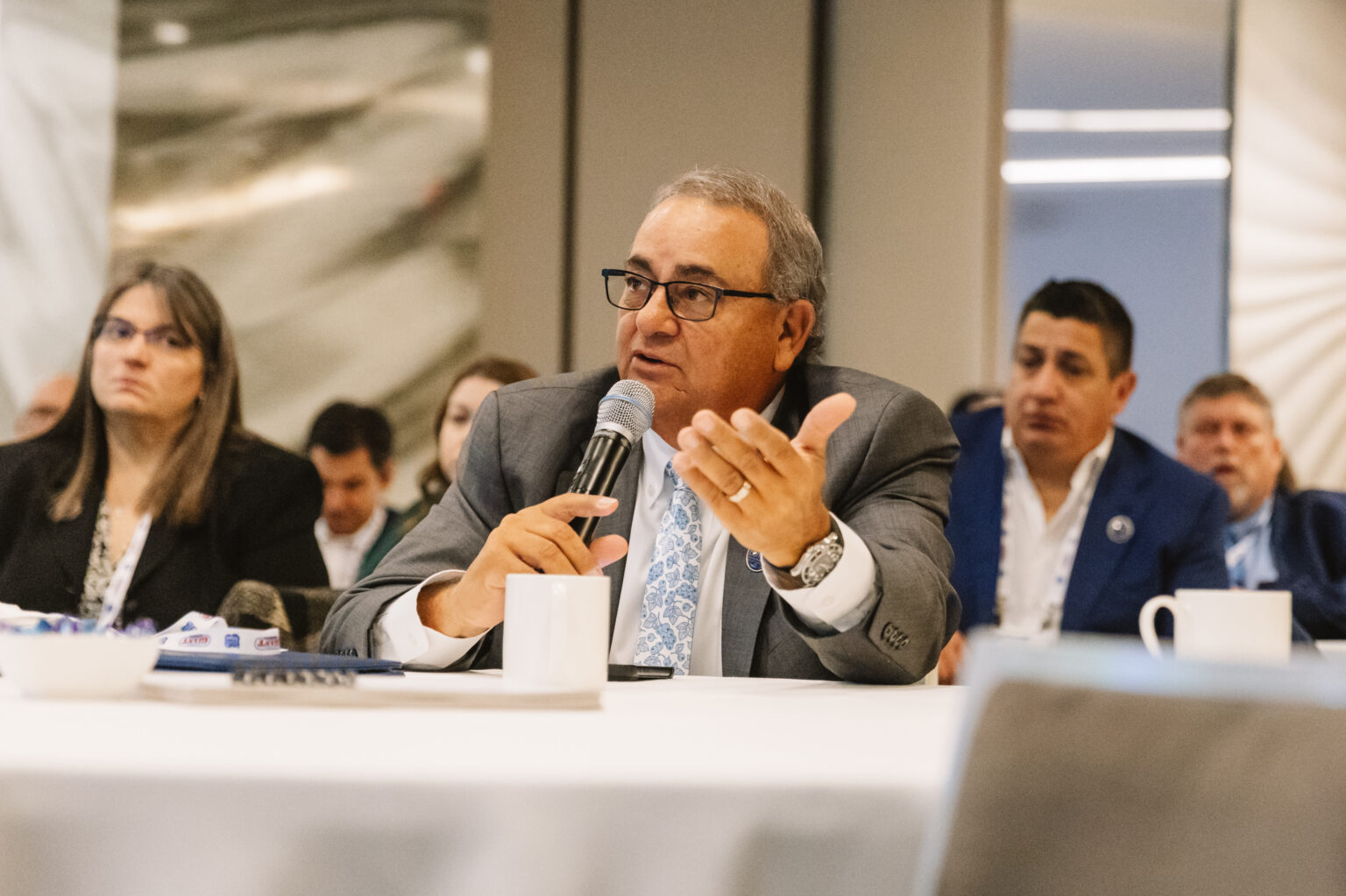
Earlier this month, I was proud to be part of a dedicated group of fellow growers, industry leaders and NABC staff in Washington, D.C., for the 2026 Blueberry Hill Climb and Industry Meetings. There is simply no substitute for being in the room where it happens; sitting down face-to-face with a cabinet-level secretary, members of the Trump administration, members of Congress and key policymakers is how we ensure the voices of the blueberry industry are truly heard.
Reflecting on our time there, I’m more convinced than ever that our united voice is what moves the needle. When we show up in person, our concerns lead to real-world solutions. Our presence in the capital was felt throughout the week, through both high-level advocacy and meaningful celebrations.
While on the Hill, we focused our conversations on ag workforce and H-2A reform; Farm Bill programs, including improvements to disaster assistance programs and risk management tools; federal nutrition programs to drive increased consumption; and additional policies to help growers remain successful and competitive.
It’s these moments of connection that prove the value of advocacy. To everyone who took time away from their operations and families to join our delegation – thank you. Your presence made all the difference!
The Blueberry Hill Climb – A Visual Recap
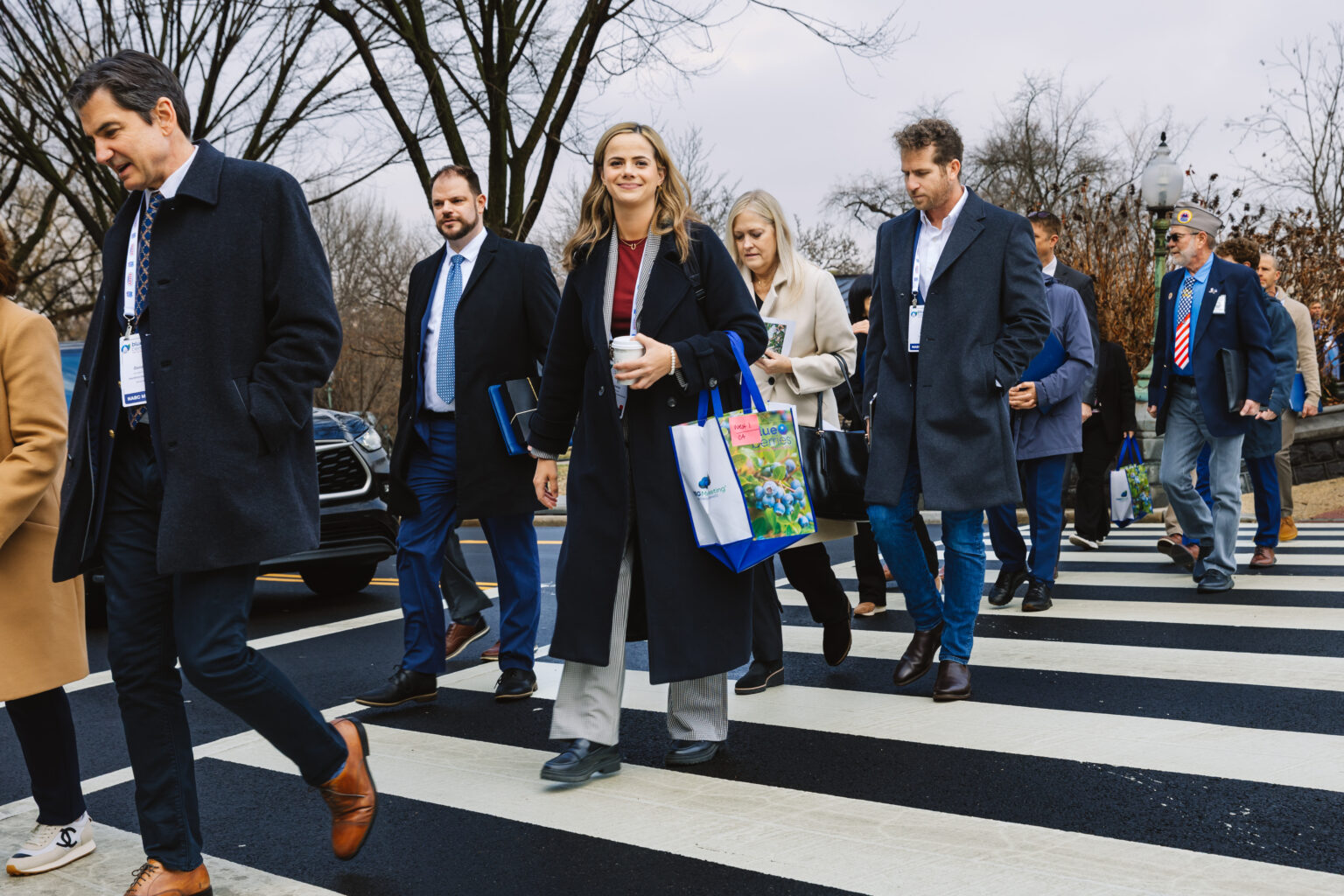
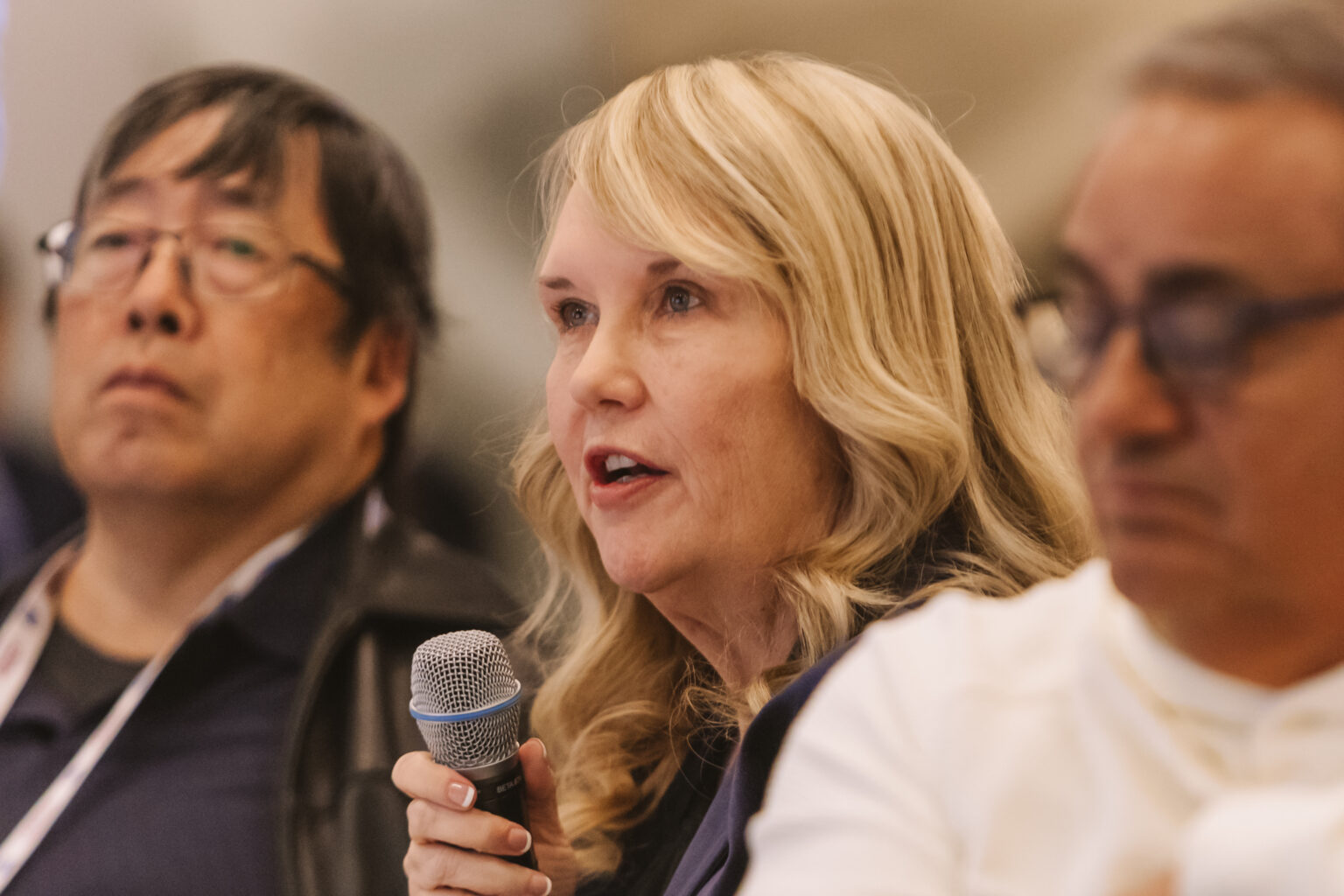
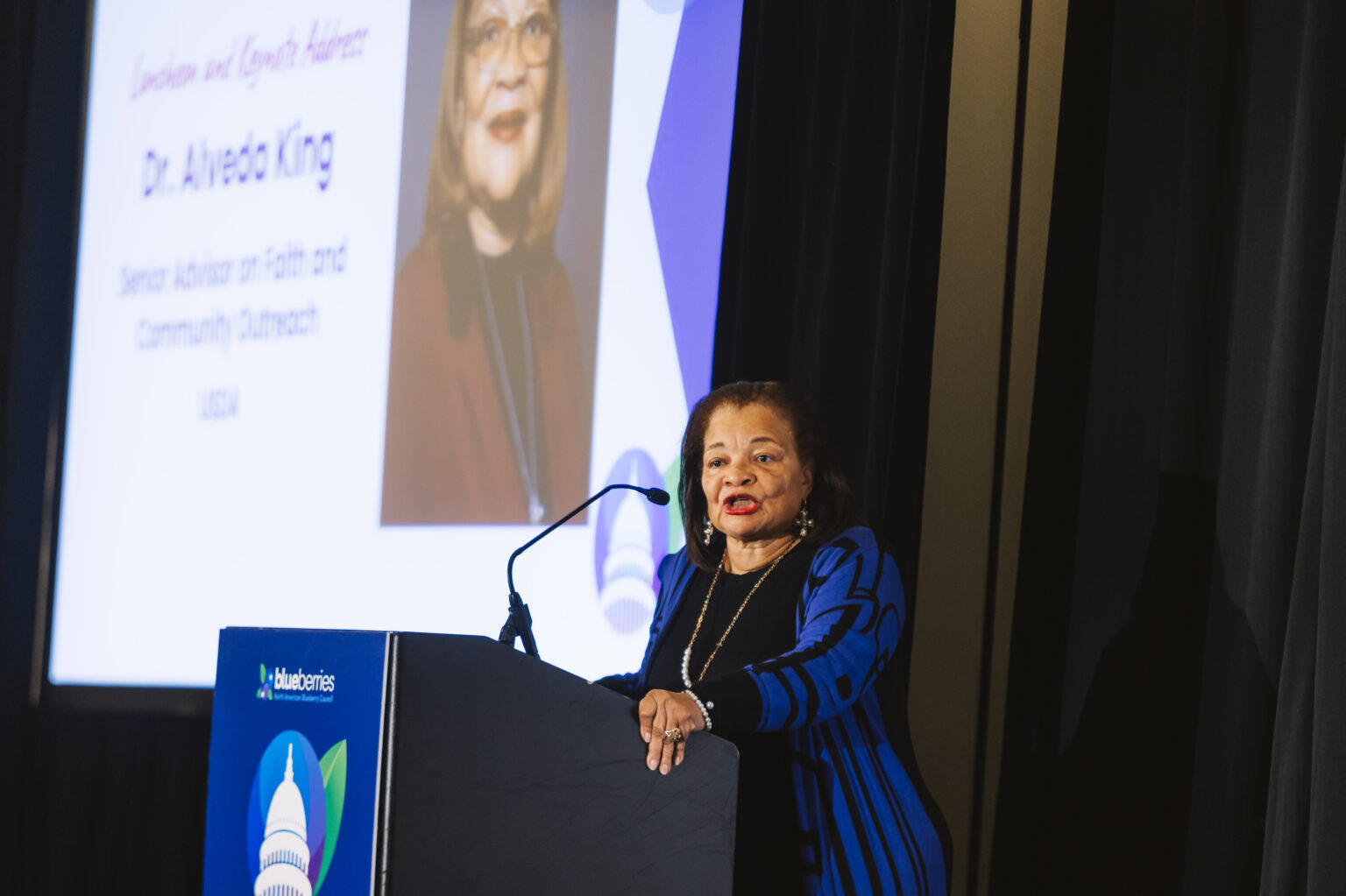
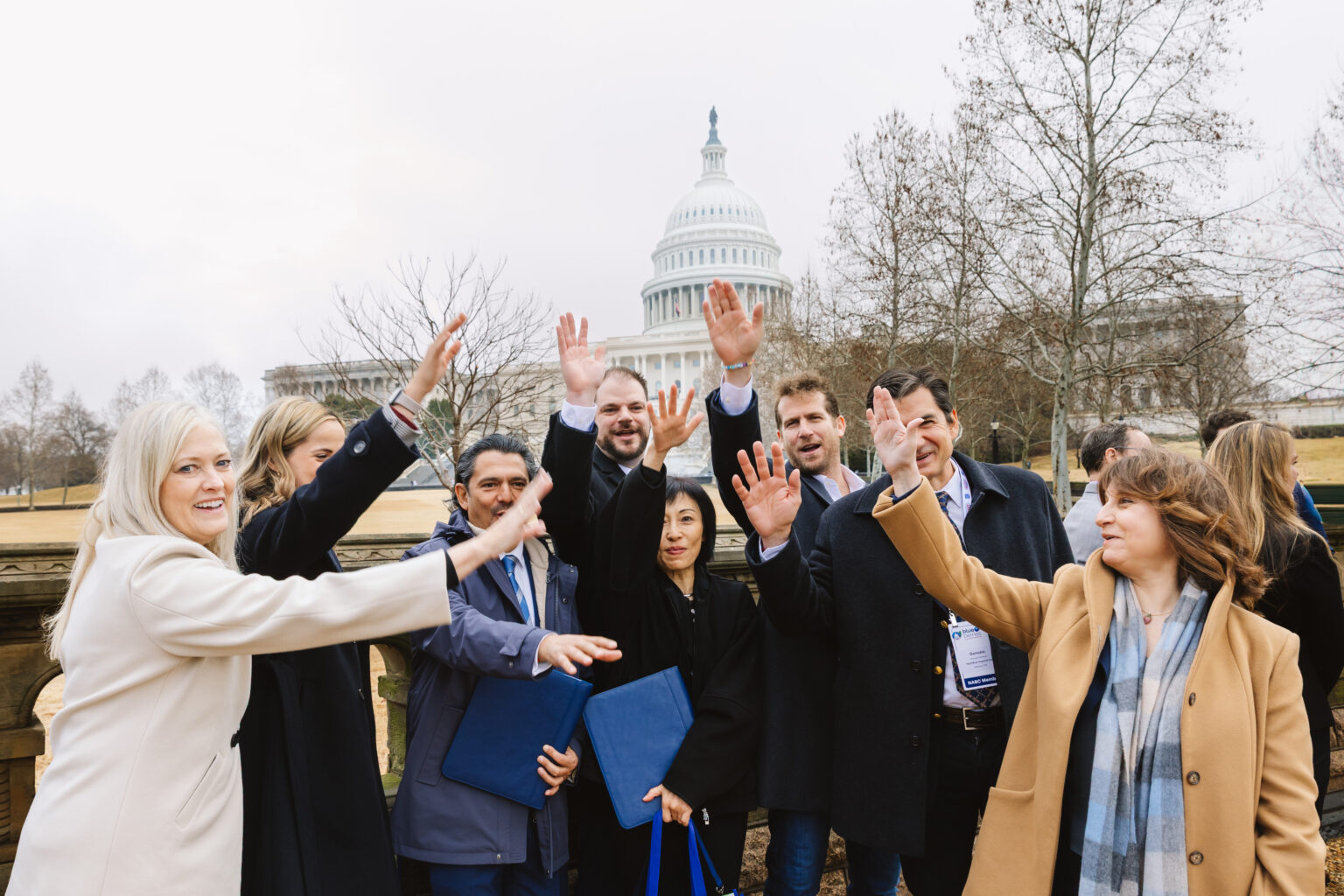
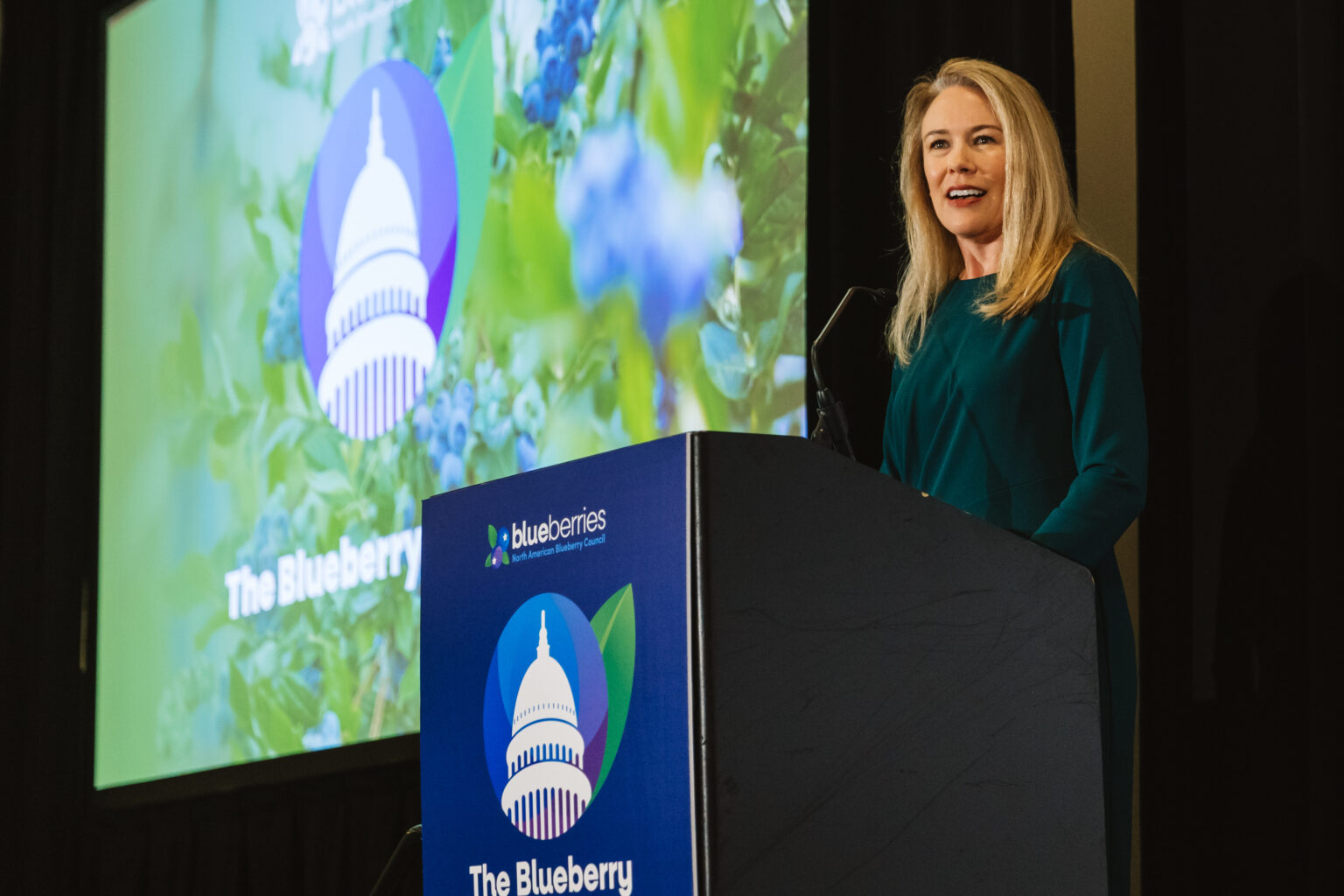
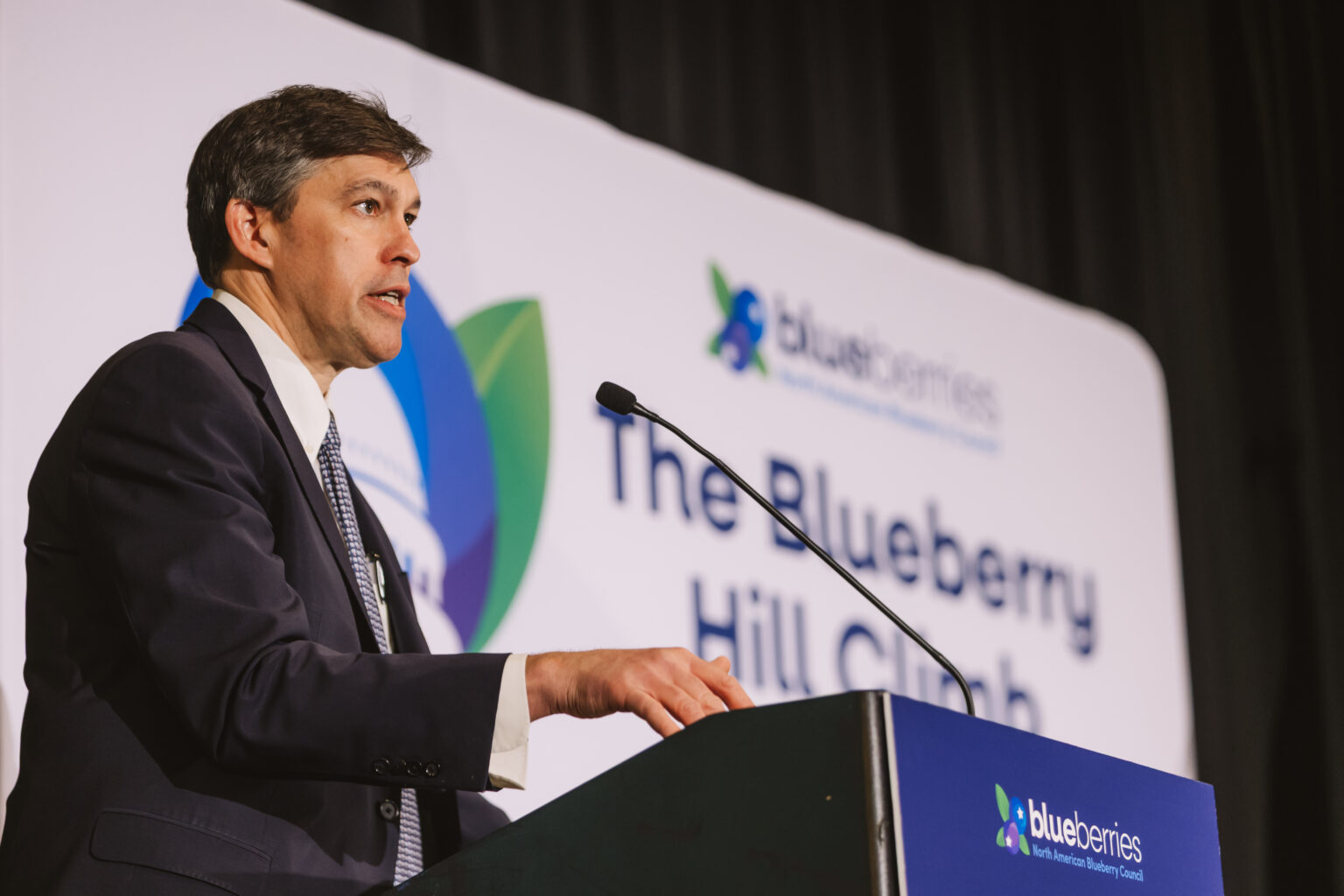
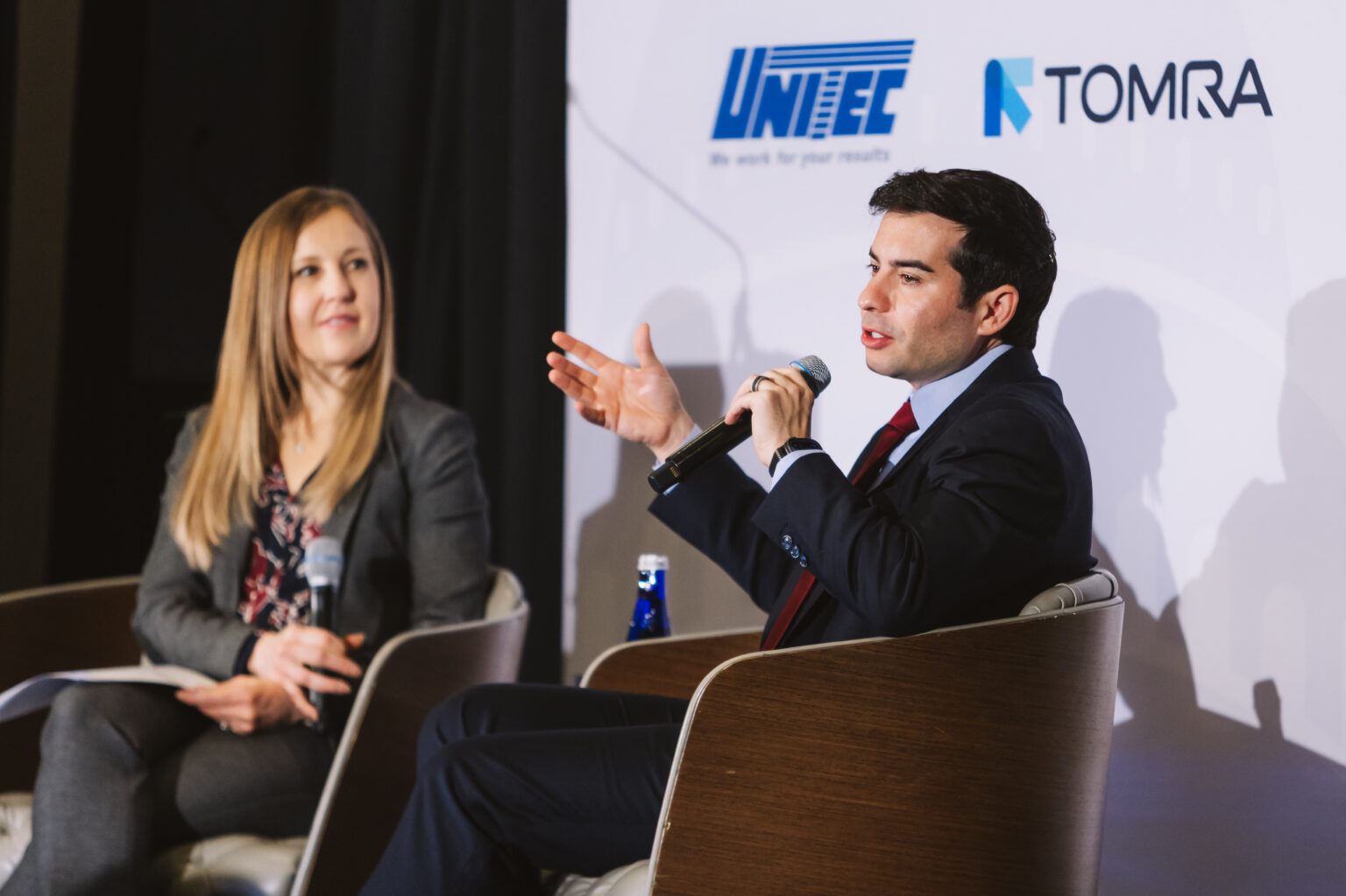
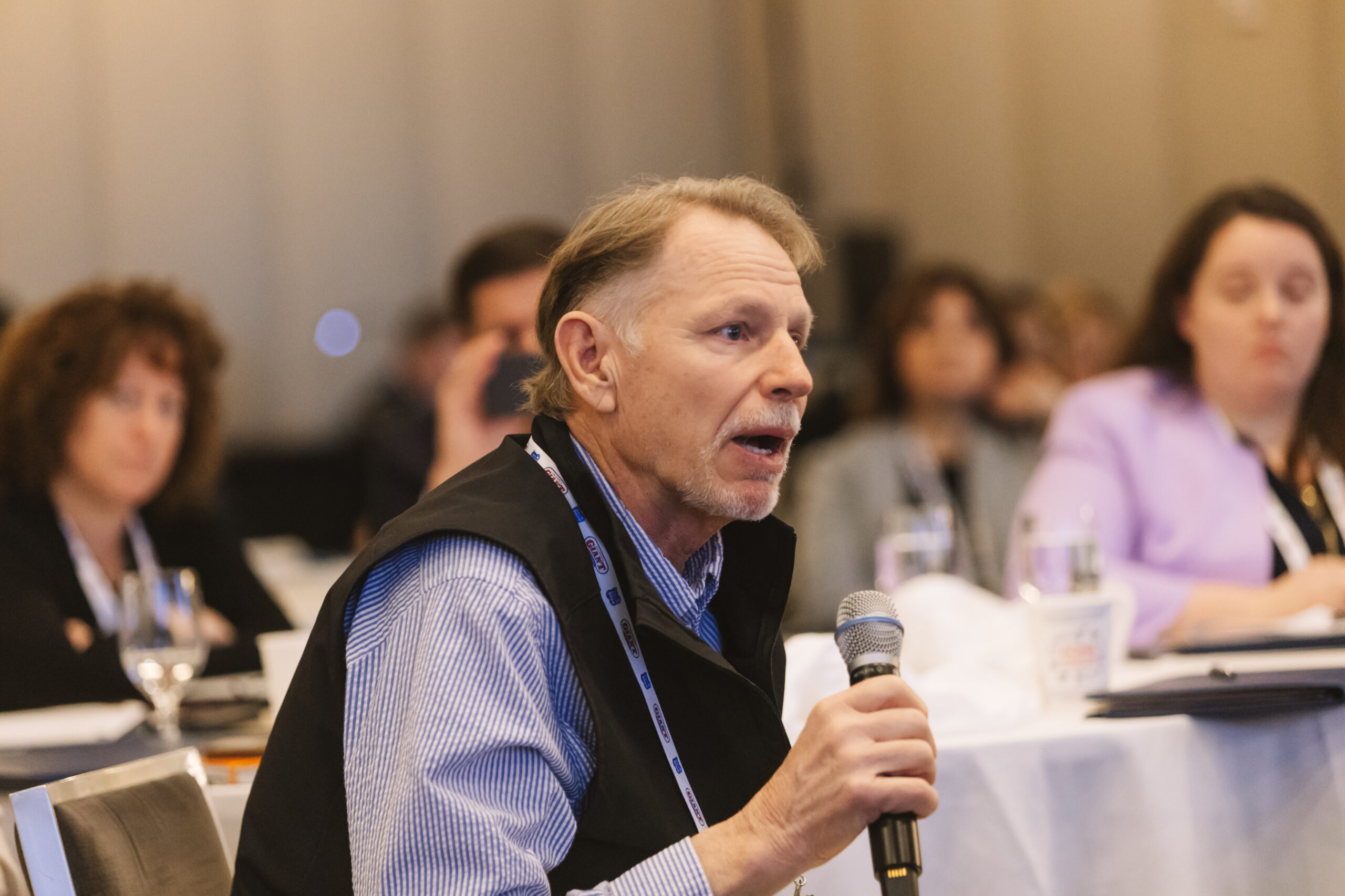
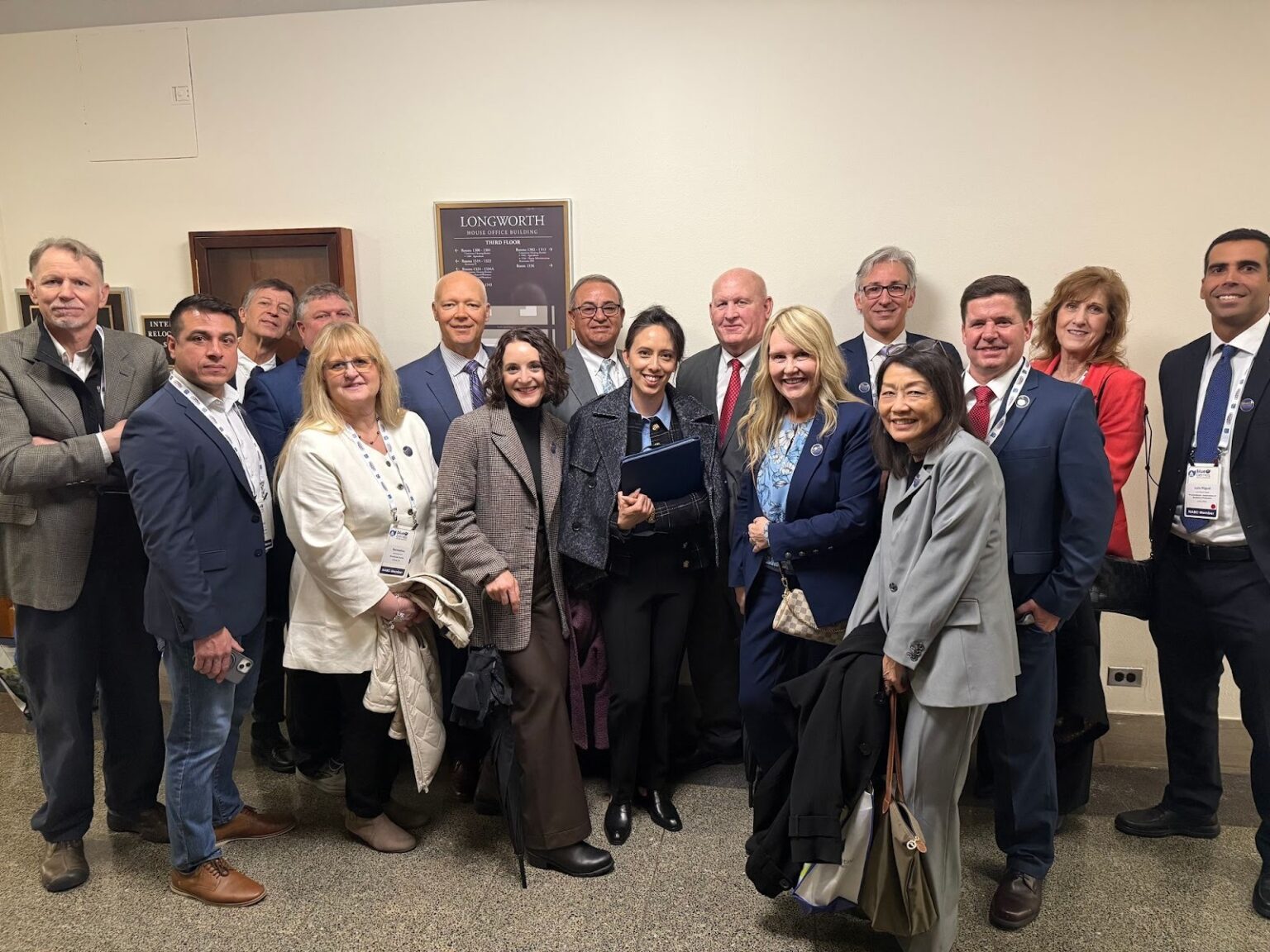
Earlier this month, a delegation of 65 industry leaders joined the NABC team in Washington, D.C. The mission: Advocating for the future of the blueberry industry.
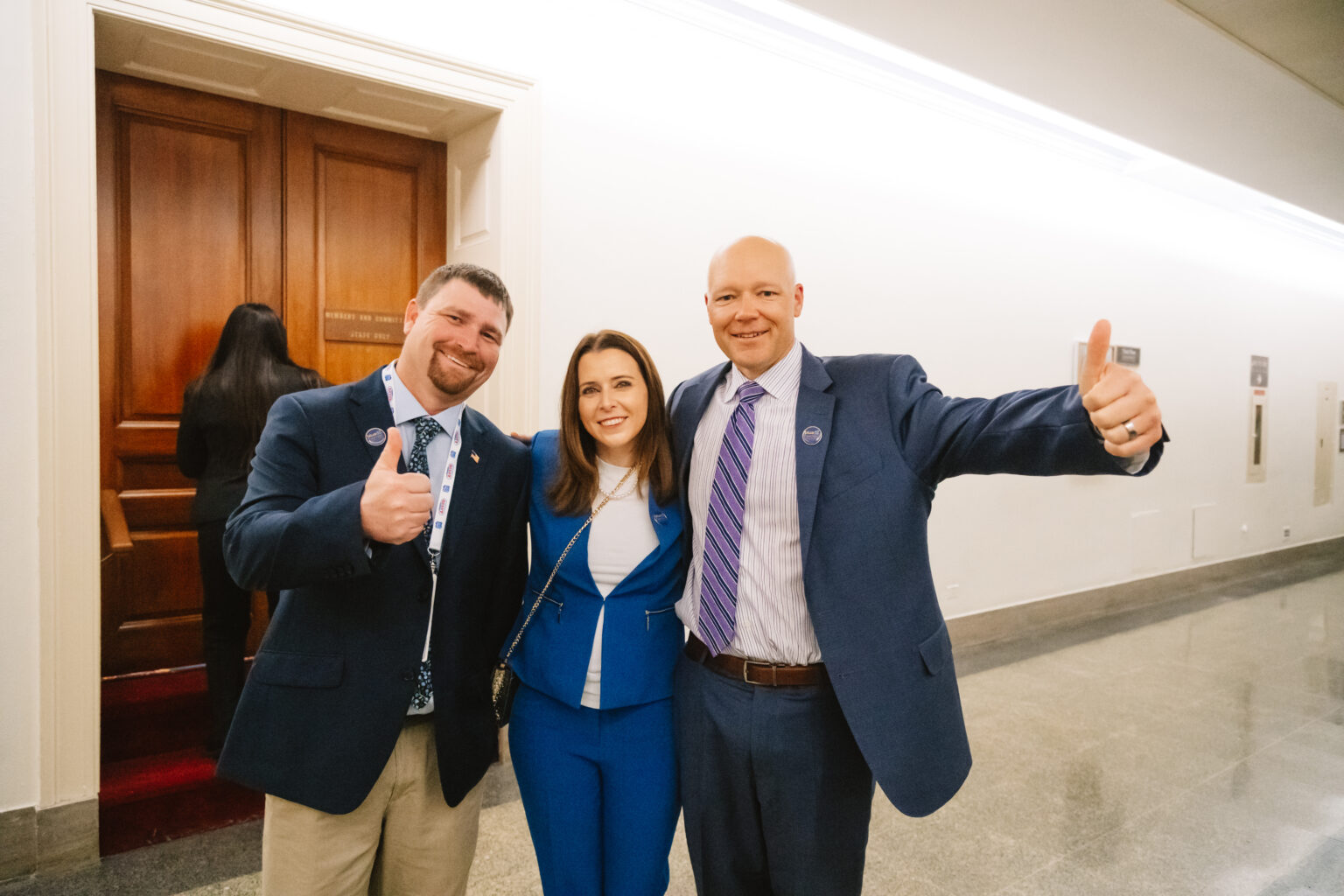
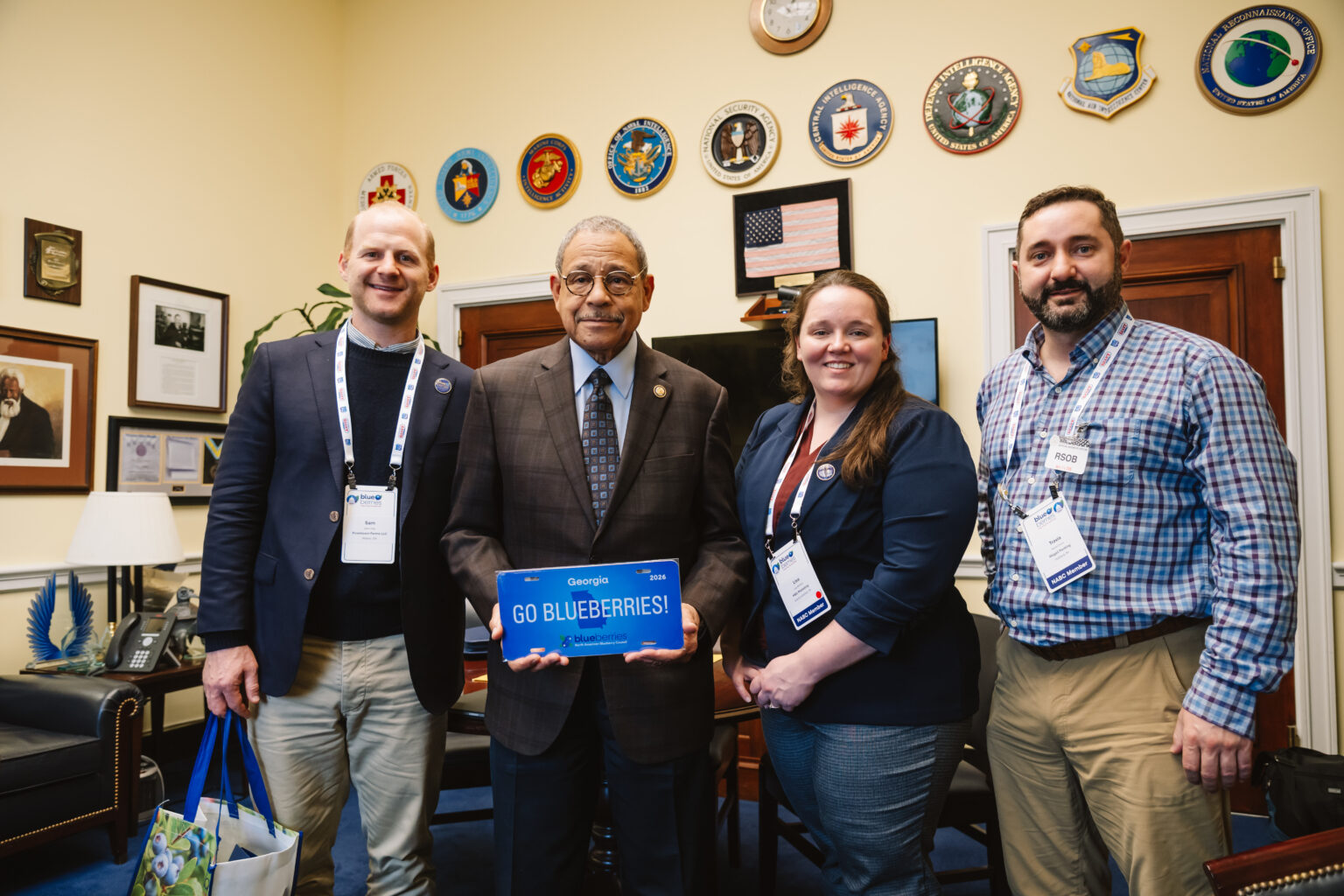
Check out these photos from the 2026 Blueberry Hill Climb to get a sense of the action. Then, get all the details in our Blueberry Hill Climb special newsletter edition here.
NABC Establishes Federal PAC to Expand Industry Voice in Washington
At its March 5 meeting, the NABC Board of Directors unanimously approved the creation of an NABC-connected Federal Political Action Committee (PAC). The board also formally adopted the PAC bylaws and appointed the initial members of the PAC Board:
- Teddy Koukoulis, NABC Chair
- Ellie Norris, NABC Chair-Elect, NABC Government Affairs Committee Chair
This action represents a significant step forward in NABC’s ongoing efforts to serve as a strong and effective advocate for the blueberry industry in Washington, D.C.
Establishing a PAC will expand the blueberry industry’s relationship, reach and influence with elected representatives, raising the industry’s profile even further. Engaging in the political process strengthens and complements our policy work, enabling us to build relationships with key leaders and support candidates on both sides of the aisle who are positioned to influence issues important to our growers and the broader industry.
As NABC continues to emerge as a recognized and influential voice for the blueberry sector in Washington, creating a PAC is a critical next step to expand our impact and ensure we can do even more on behalf of our growers.
NABC Chair Teddy Koukoulis will appoint the remaining members of the PAC board, which, in accordance with the approved bylaws, will include the domestic members of the NABC Government Affairs Committee.
We look forward to sharing additional details about the NABC Federal Political Action Committee, including opportunities for involvement and the support needed, in the weeks and months ahead.
Court Hears Arguments on UFW Motion Related to the IFR
A judge for the U.S. District Court for the Eastern District of California, Fresno Division, heard arguments last week on the United Farm Workers’ motion for a preliminary injunction against the Interim Final Rule (IFR). As you may recall, NABC joined an amicus brief in support of the IFR.
Arguments focused on three main points: standing, harm and remedy.
The Department of Justice (DOJ) attorney incorporated several arguments from our amicus brief, including that UFW’s claims raise policy issues better addressed through the rulemaking process than through litigation.
Regarding harm, the DOJ argued that UFW’s claims are speculative and that no worker has shown a real, current injury caused by the IFR.
When the judge asked how an injunction would work, the DOJ explained that there is not a previous rule to fall back on because the 2023 rule was enjoined and vacated. The only alternative is minimum wage, which in some states is lower than the Adverse Effect Wage Rate (AEWR). Therefore, an injunction would not remedy the plaintiffs’ claim.
NABC’s counsel is cautiously optimistic. Because there is no clear remedy, the judge may rule that UFW has not proven harm and deny the motion for a preliminary injunction. This would be a low-friction way for a court and a judge to resolve the case.
There is no timeline for when the judge will issue a ruling. Until the court rules otherwise, the IFR is the law of the land. Meanwhile, DOL has not provided a timeline for issuing a final rule.
Tell Congress to Deliver Meaningful Relief for Specialty Crop Farmers
Specialty crop farmers are facing a severe economic squeeze from rising input and labor costs, natural disasters and limited access to traditional farm safety net programs. Yet recent federal assistance has fallen far short of what’s needed.
Congress is now considering a supplemental funding package tied to defense and disaster spending. Farm-state lawmakers see this as a critical opportunity to include much-needed agricultural relief, including up to $5 billion for specialty crops.
Specialty crop operations generate more than $75 billion annually and account for over one-third of U.S. crop sales. But out of the recently announced $12 billion Farmer Bridge Program, only $1 billion was allocated to specialty crops – a fraction of what is needed.
Contact Your Members of Congress Today
Urge your Representative and Senators to contact congressional leadership and Appropriations Committee members and request that meaningful economic assistance for specialty crop producers be included in the supplemental funding package.
Specifically, ask Congress to:
- Provide no less than $5 billion in economic assistance for specialty crops.
- Ensure specialty crops receive at least one-third of total agricultural aid funding.
- Include proven program elements that deliver timely, practical support, including:
- Payment limits of at least $900,000.
- Exemption from AGI limits when ≥75% of income comes from farming.
- Payments based on each grower’s actual specialty crop receipts.
- Flexibility to choose a base year from multiple options.
- Minimal paperwork with self-attestation.
Why This Matters
Blueberry farmers are facing a critical economic moment. Years of rising input and labor costs and repeated natural disasters have placed enormous strain on farms – yet specialty crop producers are routinely left out of traditional farm safety net programs designed for commodity crops. The need is clear. A recent report by the American Farm Bureau Federation emphasized that economic assistance is desperately needed, citing economic impact studies on blueberries. The report found that, “With higher labor, input and packing costs outpacing price gains, and fresh-market premiums increasingly difficult to secure, many U.S. blueberry growers are covering short-run operating costs but falling short of recovering full long-run economic costs.”
This underscores the urgency of securing meaningful economic aid for blueberry farmers.
Contact your members of Congress now and urge them to include meaningful specialty crop assistance in the upcoming supplemental funding package. Plus, view our one-pager.
NABC Joins Coalition of Ag Groups Seeking Additional Federal Resources
NABC joined more than 50 agricultural organizations in signing a letter to President Trump outlining the critical challenges facing rural America today.
The coalition applauded last year’s progress in farm risk management and tax relief, but noted that additional resources are needed during these turbulent times, stating, “As the administration considers a defense supplemental package in the coming weeks, we urge you to include much-needed market relief for America’s farmers.”
The letter recommends that future relief should build on recent efforts to deliver Farmer Bridge Assistance Program payments, and should include meaningful support for all specialty crop, sugar and alfalfa growers; assistance for farmers and ranchers dealing with catastrophic weather events; and build longer-term demand stability for U.S. agriculture through year-round sales of E15 and tax incentives to increase use of domestic agricultural products.
The letter also mentions administration actions, such as finalizing strong Renewable Volume Obligations in the Renewable Fuel Standard, and supporting value-added opportunities for farmers in the 45Z Clean Fuel Production Credit that will also help support longer-term demand stability for U.S. agriculture.
By prioritizing these measures, the administration can ensure that U.S. growers remain resilient in the face of unprecedented global and economic strain.
Farm Bill Advanced Out of Committee
Bill Delivers on the Blueberry Industry’s Policy Priorities
On March 5, following more than 20 hours of markup, the House Agriculture Committee approved the Farm, Food, and National Security Act of 2026, the House’s version of the next Farm Bill.
Earlier this year, Congress extended the 2018 Farm Bill for one year for a third time – through Sept. 30, 2026 – as part of the Continuing Appropriations, Agriculture, Legislative Branch, Military Construction and Veterans Affairs, and Extensions Act, 2026, maintaining programs at current funding levels.
Additionally, H.R. 1 – the “One Big Beautiful Bill,” enacted in 2025 – included many agriculture provisions that improved the Tree Assistance Program (TAP), enhanced crop insurance coverage options, invested in research and mechanization and increased funding for export programs important to specialty crop growers.
The 2026 Farm Bill builds on many of those provisions, advancing key policy priorities for the blueberry industry and the broader specialty crop sector.
Historically, farm bills have relied on a broad bipartisan coalition spanning farm and nutrition interests. However, recent policy actions outside the traditional Farm Bill process – including Republican-led SNAP changes enacted through reconciliation and earlier Democratic use of reconciliation to expand climate-focused conservation funding – have weakened that coalition. These shifts have and will continue to significantly affect how a final bill moves through Congress.
Although the committee advanced the bill with some bipartisan support, only seven Democrats voted in favor: Reps. Jim Costa (CA), Sharice Davids (KS), Don Davis (NC), Gabe Vasquez (NM), Adam Gray (CA), Kristen McDonald Rivet (MI) and Josh Riley (NY). This represents slightly broader support than the committee’s previous Farm Bill effort two years ago, when only four Democrats supported a measure containing SNAP changes.
Securing additional Democratic support will be critical both to passing the bill in the House and to persuading House leadership to schedule floor consideration. Chair Glenn “G.T.” Thompson (R-PA) has expressed optimism that the bill will reach the House floor before Easter, although a vote has not yet been scheduled.
In the Senate, Agriculture Committee Chair John Boozman (R-AR) has expressed appreciation for the House’s progress and suggested the Senate may pursue a similar approach. Ranking Member Amy Klobuchar (D-MN) has emphasized the need for a bipartisan bill that addresses the needs of both farmers and families who rely on nutrition assistance.
Next Steps in the Legislative Process:
- Senate introduction of a companion bill and committee markup.
- Passage by the House of Representatives.
- Passage by the Senate.
- Conference committee to reconcile differences between the two versions.
- Final passage of the conference report by both chambers.
- Presidential signature.
If enacted, the legislation would replace the temporary extension and establish the next multiyear Farm Bill framework.
Stronger Together: What Our Retention Growth Means for the Blueberry Industry
Over the past three years, you, our members, have helped strengthen the NABC in a meaningful way.
Membership retention has grown from 67% in 2024, to 70% in 2025, and now to an impressive 87% in 2026 (year-to-date). That kind of progress doesn’t happen by chance – it reflects the value of coming together as an industry and the shared commitment.
This growth tells us something important: This work matters to you. From advocacy in Washington, D.C., to leadership development, to the connections built across our meetings and events, your continued engagement makes NABC stronger.
Over the past year, we’ve focused on strengthening that foundation – listening more closely, creating more opportunities to connect and ensuring your membership delivers real value. And together, we’ve made meaningful progress.
Now, we’re ready for what’s next.
With this strong base in place, we’re shifting our focus toward growing our membership and deepening engagement across the industry, because the more voices we bring to the table, the stronger our collective impact becomes.
Looking ahead, you can expect us to focus on:
- Building a comprehensive 5-year membership growth strategy.
- Setting clear, measurable goals to guide our progress.
- Expanding outreach to new and emerging industry partners.
- Investing in tools and resources to better support and connect our members.
- Working alongside our new Membership Committee to drive continued engagement and growth.
This next chapter is about building on what we’ve created, together.
A growing, engaged membership means a stronger voice on the issues that matter most, more opportunities to learn and connect and a more unified industry prepared for the future.
Thank you for being part of it.
Members, Don’t Miss Our Weekly Crop Reports
Access to audio and print versions of weekly crop reports is an exclusive member benefit! Log into your account to view the reports.
Thank you to our dedicated growers and community members who generously contribute their time and insights to these valuable reports every week.