
Topics in this issue of Blues Update:
- A Historic Week for Our Industry
- Blueberry Industry Advocates for Policies That Support the Competitiveness of Blueberry Producers in Washington, D.C.
- Rep. Thompson Honored With Blueberry Pinnacle Award
- Red, White and Blueberry Reception
Blueberry Hill Climb Special Edition
A Historic Week for Our Industry
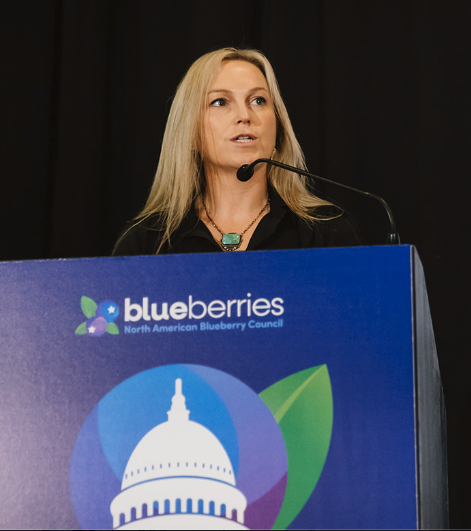
By Ellie Norris
Chair, NABC Government Affairs Committee
On behalf of the Government Affairs Committee, I want to extend my deepest gratitude to everyone who participated in this year’s Blueberry Hill Climb. Your presence in D.C. and your tireless advocacy made this the most impactful event in our history.
I hope you’ll take some time to read this special edition of NABC Blues Update to get a glimpse into our wins last week.
While we’ve left the hill, our work is far from over – we will continue to build on this momentum and champion these critical issues throughout the year.
Blueberry Industry Advocates for Policies That Support the Competitiveness of Blueberry Producers in Washington, D.C.
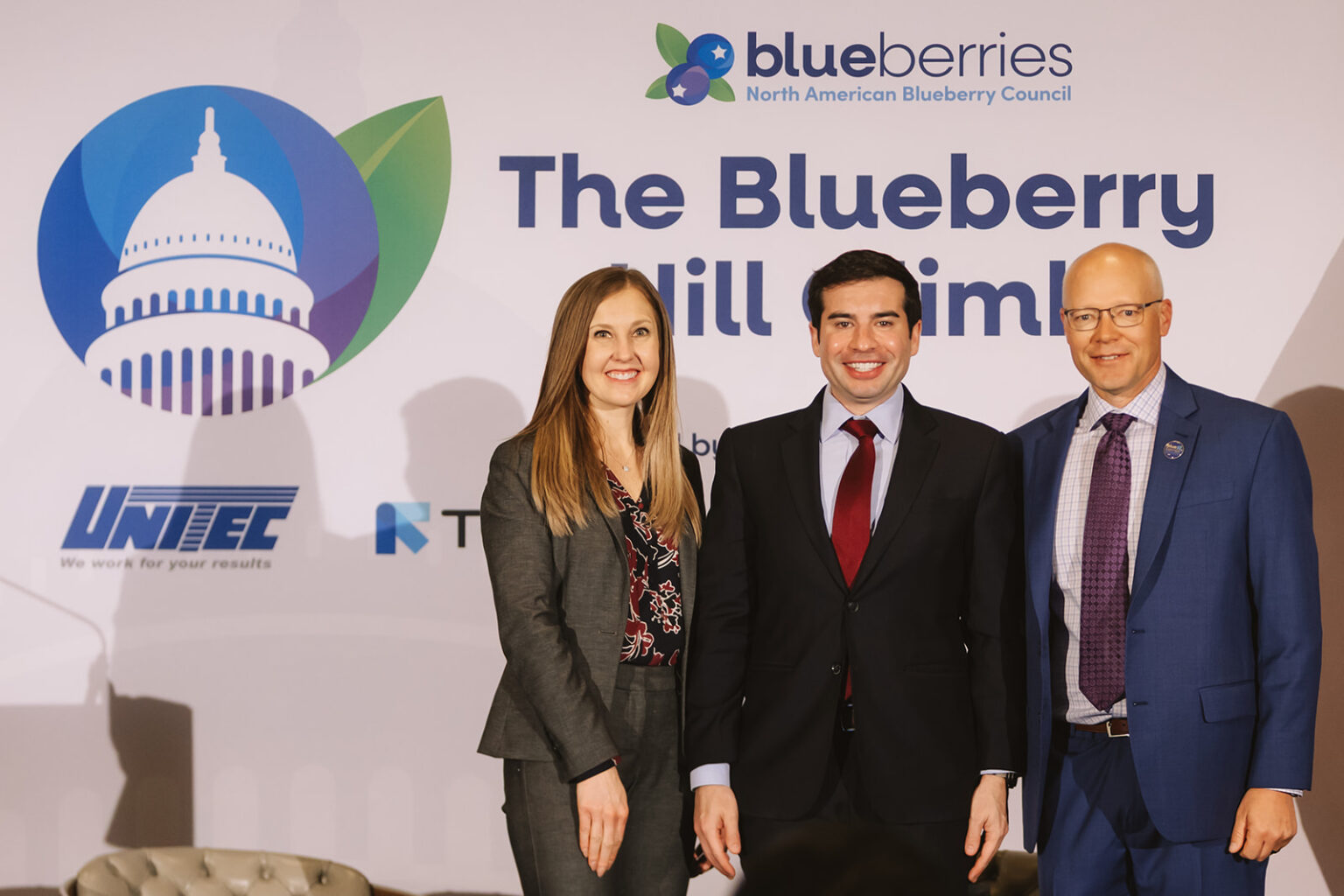
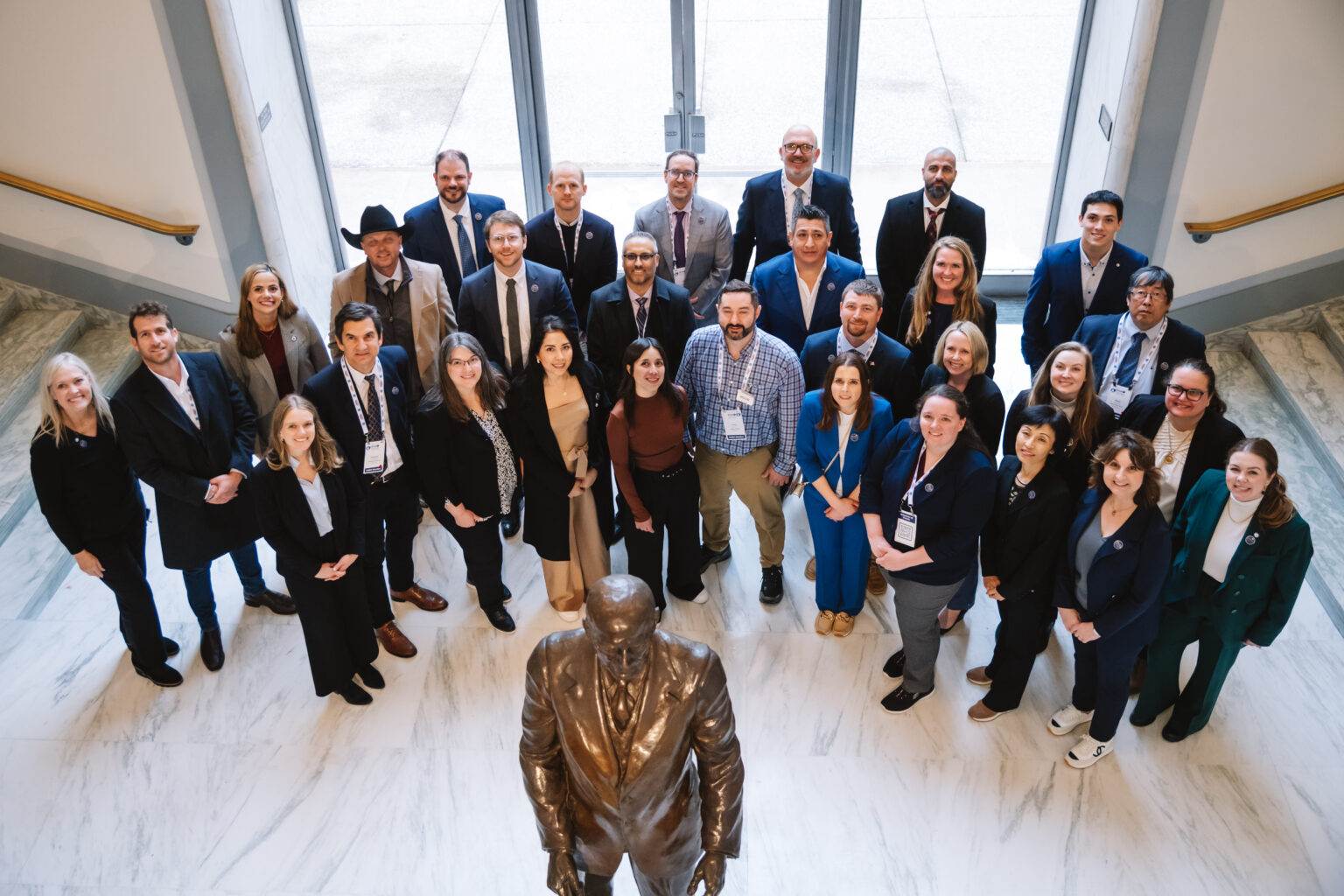
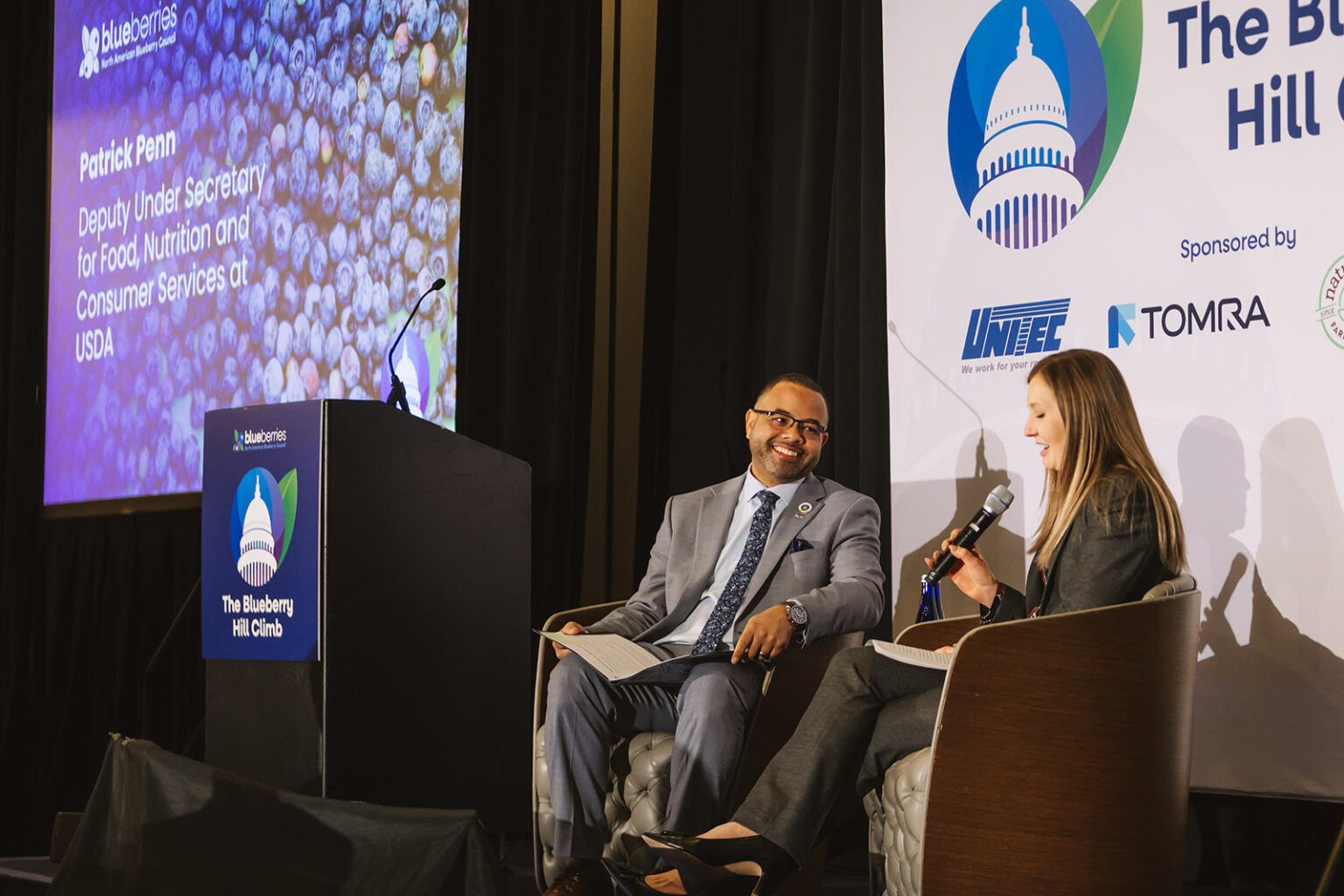
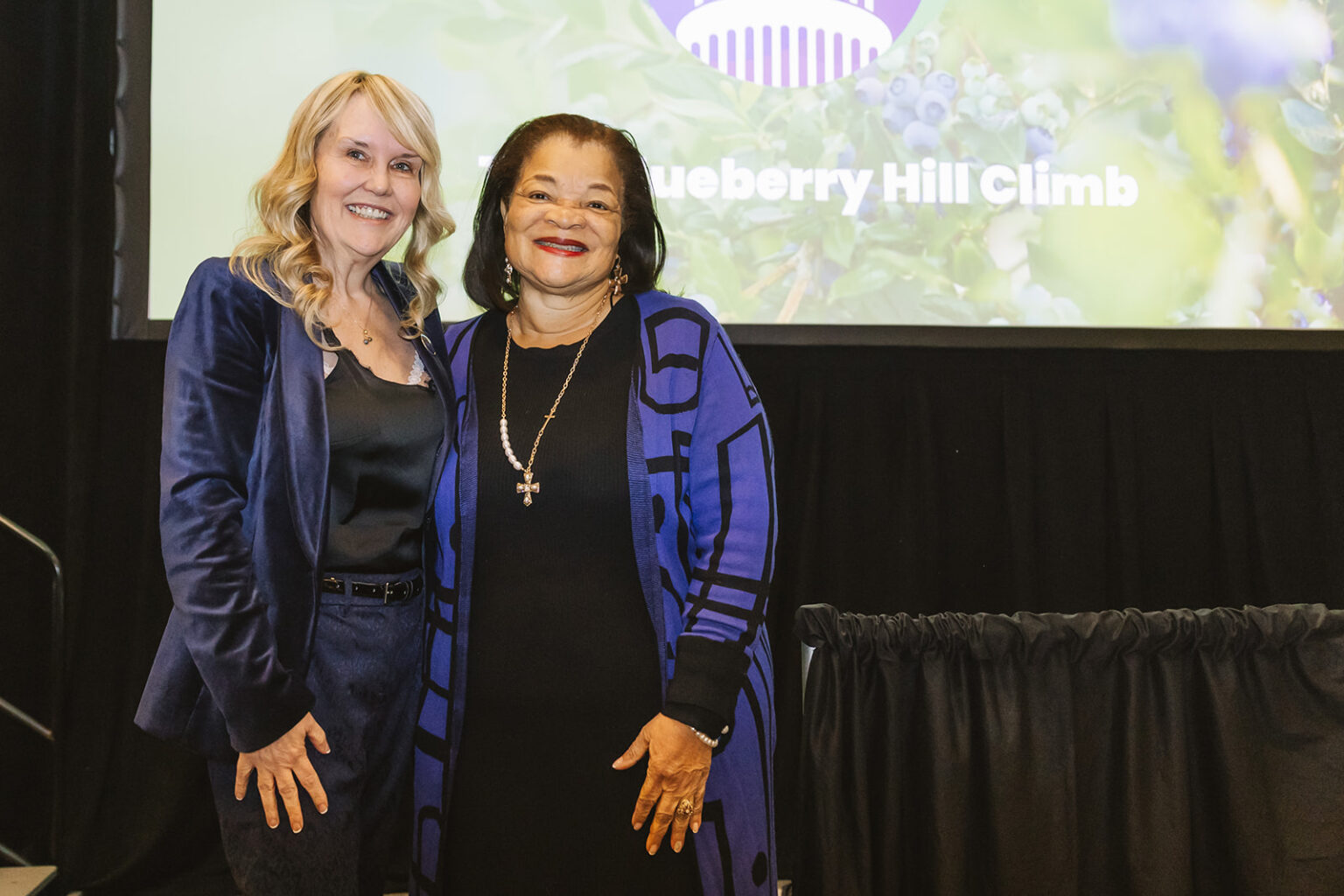
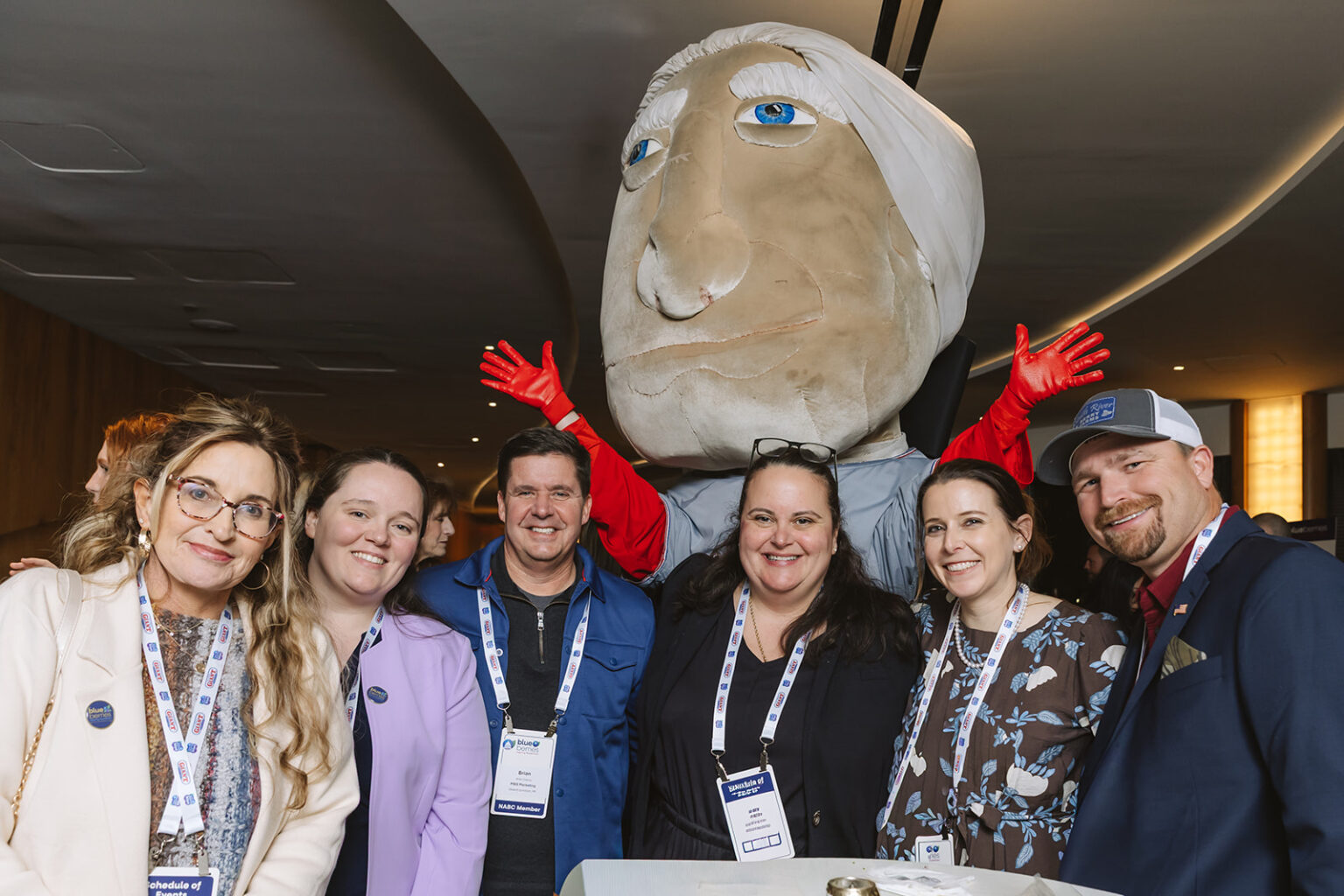
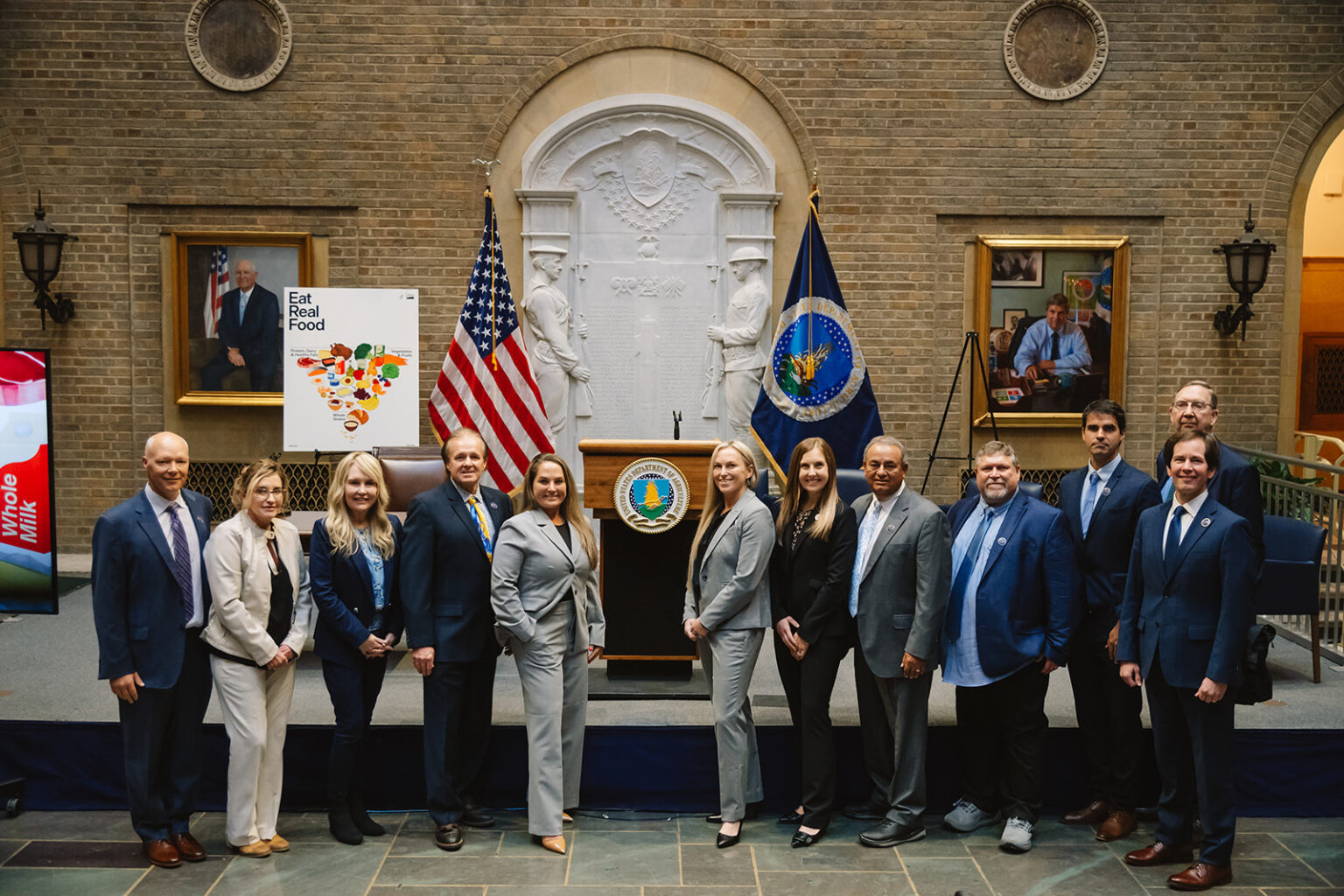
A delegation of 65 blueberry industry members from across the country joined the North American Blueberry Council (NABC) in Washington, D.C., last week for The 2026 Blueberry Hill Climb, the industry’s annual advocacy fly-in.
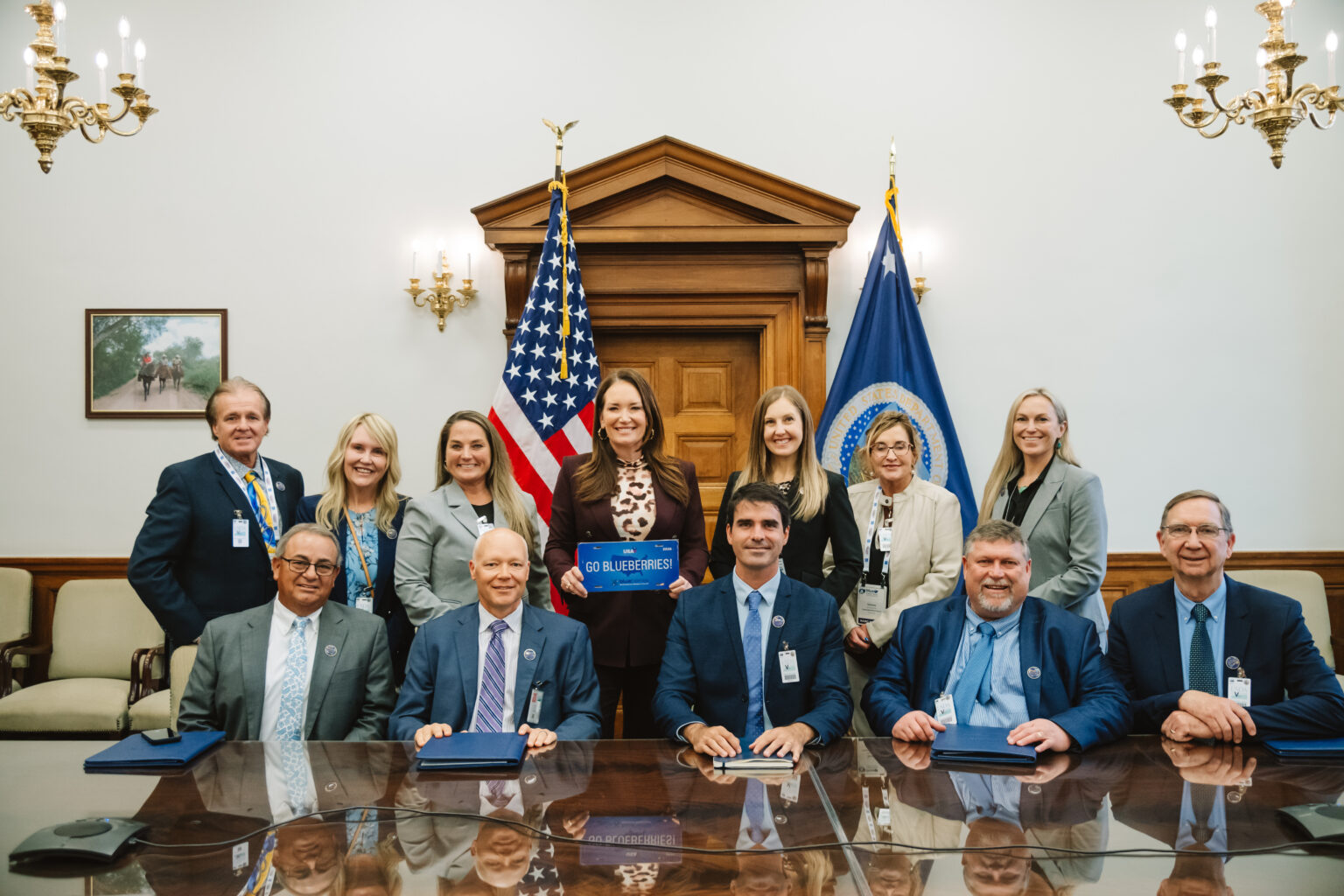
During the event, NABC board members and industry leaders participated in a series of high-level meetings with senior administration officials, including meeting with U.S. Secretary of Agriculture Secretary Brooke Rollins, officials from the Office of the U.S. Trade Representative and the White House to discuss priorities affecting specialty crop producers and the long-term competitiveness of the U.S. blueberry industry.
The delegation also met with House Agriculture Committee Chair Glenn “GT” Thompson (R-PA) as the committee was marking up – and ultimately passed – the Farm Bill. During the meeting, just outside the committee gathering, the NABC team presented the Blueberry Pinnacle Award to Rep. Thompson in recognition of his leadership advancing policies that support specialty crop growers.
Meetings were also held with congressional representatives from blueberry-producing regions, and members of the Senate Agriculture Committee, including Chair John Boozman (R-AR).
NABC representatives were present at a joint event hosted by the USDA and the U.S. Department of Health and Human Services where new public-private partnerships to advance the Dietary Guidelines for Americans and promote increased consumption of fruits and vegetables were announced.
Throughout the week, industry leaders also engaged with officials from throughout the U.S. Department of Agriculture (USDA), including Richard Fordyce, Under Secretary for Farm Programs and Conservation; Dudley Hoskins, Under Secretary for Marketing and Regulatory Programs; Patrick Penn, Deputy Under Secretary of Food, Nutrition and Consumer Services; Cody Cornell, Chief of Staff for the Natural Resources Conservation Service; and Peter Laudeman, Policy Adviser for the Trade and Foreign Agricultural Affairs. Additional briefings were provided by leaders from the USDA Agricultural Research Service and USDA Risk Management Agency, as well as the U.S. Environmental Protection Agency.
The week’s events also featured a fireside chat between U.S. Department of Labor Deputy Secretary Keith Sonderling and Alyssa Houtby where the administration’s efforts to modernize the H-2A agricultural guest worker program were discussed.
Attendees also heard from leading agricultural labor policy experts, including Lynn Jacquez, principal, CJ Lake LLC; Kristi Boswell, counsel for Alston & Bird; and John Hollay, president and CEO of the National Council of Agricultural Employers, who provided insights on the evolving regulatory and legislative landscape affecting farm labor.
Christy Seyfert, president and CEO of the Farm Credit Council, delivered a keynote address outlining the economic outlook for agriculture, including challenges facing producers and opportunities ahead as Congress considers the next Farm Bill and potential economic
The Issues
Throughout the event, NABC members advocated for policies to strengthen the competitiveness of U.S. blueberry growers, including reforms to the H-2A agricultural guest worker program, improvements to disaster assistance and crop insurance tools, and support for federal nutrition programs that encourage greater consumption of fruits and vegetables.
Economic Assistance
Blueberry farmers are facing a critical economic moment. Years of rising input and labor costs and repeated natural disasters have placed enormous strain on farms — yet specialty crop producers are routinely left out of traditional farm safety net programs designed for commodity crops. For example, the recently announced $12 billion Farmer Bridge Assistance program included only $1 billion for specialty crops.
Our message to lawmakers: Pass a supplemental funding package that provides no less than $5 billion for specialty crops. Any aid package for agriculture should set aside not less than one-third of total funds for specialty crop producers.
Agriculture Workforce
Labor represents more than 40% of total farm expenses, and blueberry fields are long-term capital investments that produce for decades. And, while growers continue investing in mechanization, skilled hand labor remains essential.
The H-2A program allows growers to hire temporary seasonal workers only after the federal government certifies that insufficient U.S. workers are available. However, prior Adverse Effect Wage Rate (AEWR) calculations rose sharply year after year, reaching an average of $17.86 in 2025 across blueberry-producing states and outpacing major economic indicators.
The Department of Labor’s 2025 Interim Final Rule modernizes wage calculations, reducing AEWR rates by approximately $3 per hour in 2026 compared to 2025.
Our message to lawmakers: Codify the H-2A AEWR Interim Final Rule into statute to provide certainty for blueberry growers, protect rural jobs, preserve long-term agricultural investments and ensure continued domestic fruit production.
Farm Bill
It was a critical moment for the blueberry industry to be in Washington, D.C., during the House Agriculture Committee’s markup, and ultimate passage, of the Farm Bill. While many of our industry’s top Farm Bill priorities were addressed in last year’s H.R. 1, key priorities such as further improvements to USDA disaster programs such as the Tree Assistance Program (TAP) and crop insurance must be done through traditional farm bill legislation.
Our message to lawmakers: Pass a full five-year farm bill that strengthens the safety net, enhances competitiveness and builds on the investment made by H.R. 1.
Nutrition Policy
On the heels of the release of the 2025 Dietary Guidelines for Americans (DGA), we are proactively engaging the administration and Congress to ensure blueberries are a prominent feature of government nutrition programs like the Supplemental Nutrition Assistance Program (SNAP), Special Supplemental Nutrition Program for Women, Infants and Children (WIC) and the National School Lunch Program. We’re also advocating for specific recommendations for berry consumption in the 2030 DGAs.
Our messages to lawmakers:
- Include guidance for berries or anthocyanin-rich fruits in SNAP, WIC and school meals.
- Recommend at least one daily serving of berries to improve nutrient intake.
- Promote variety in fruit intake to support long-term health.
Rep. Thompson Honored With Blueberry Pinnacle Award
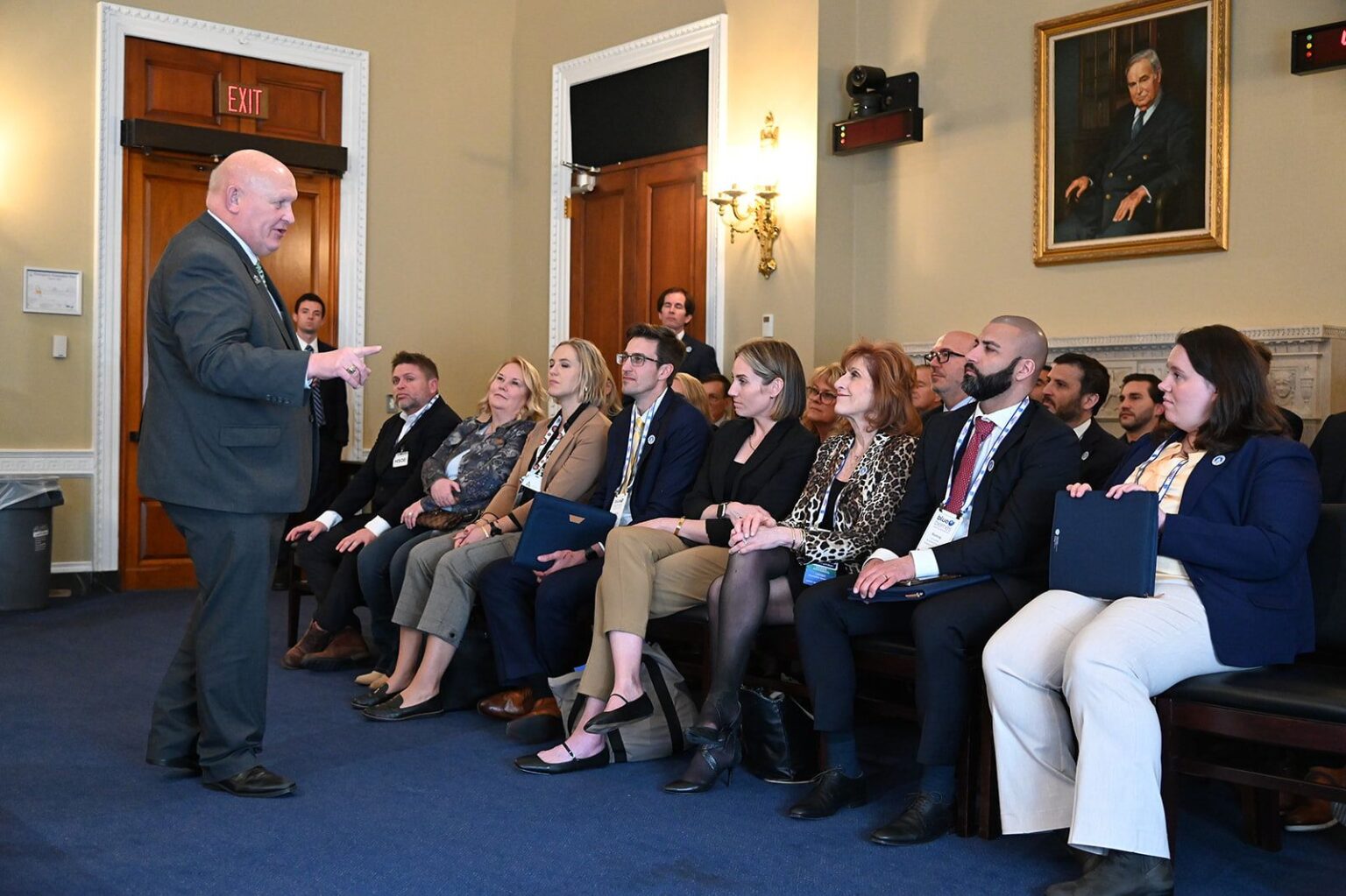
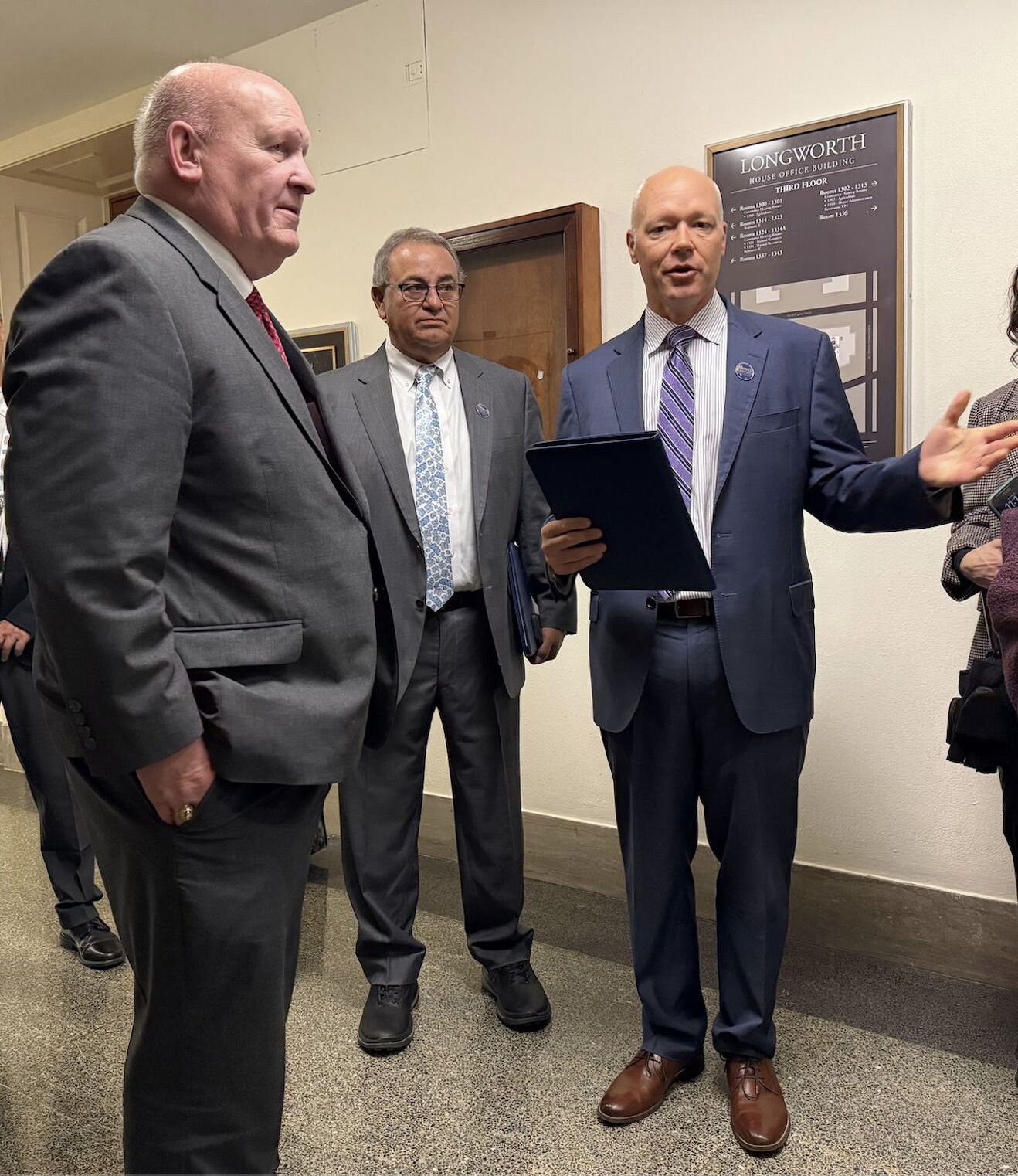
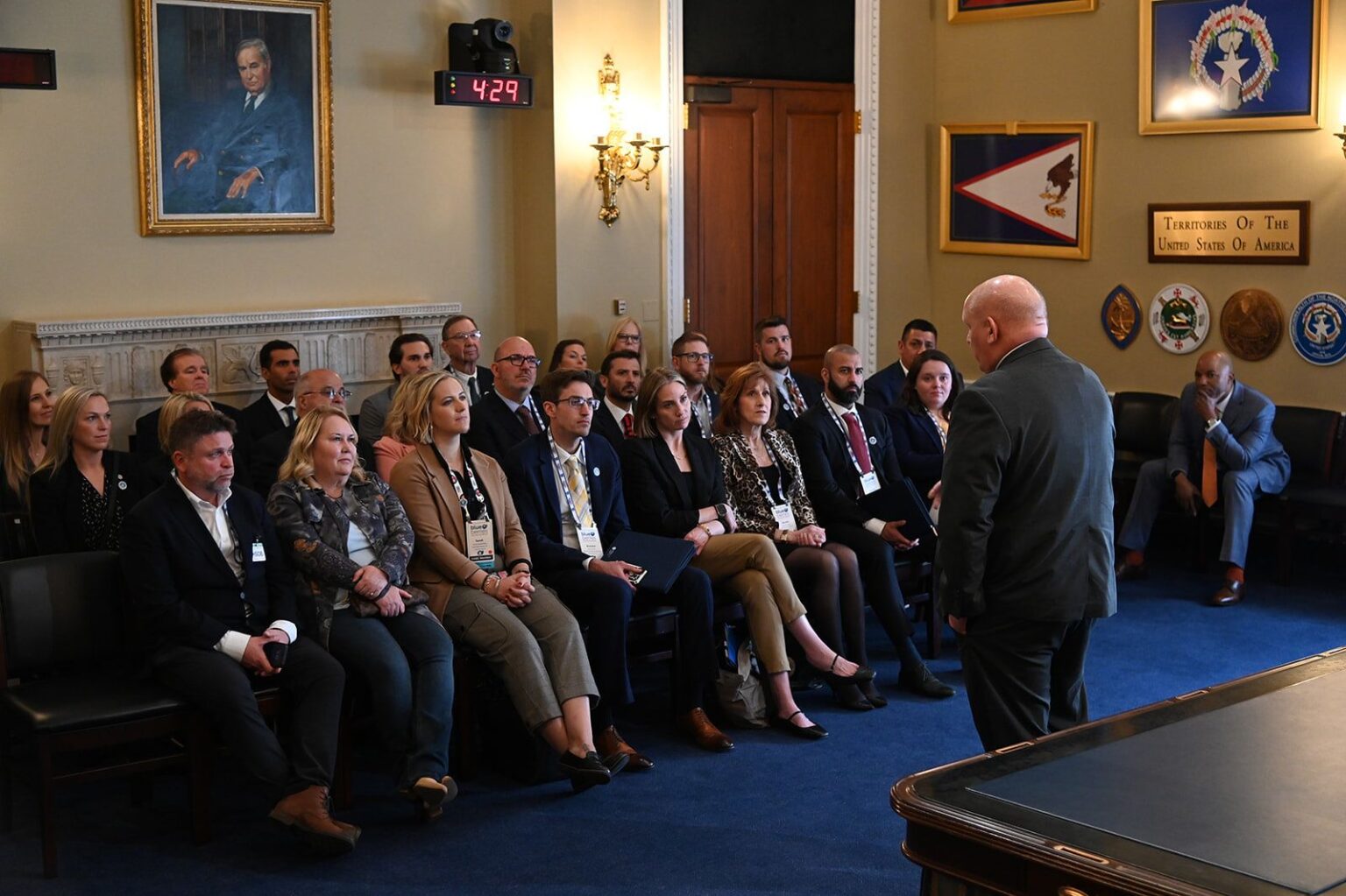
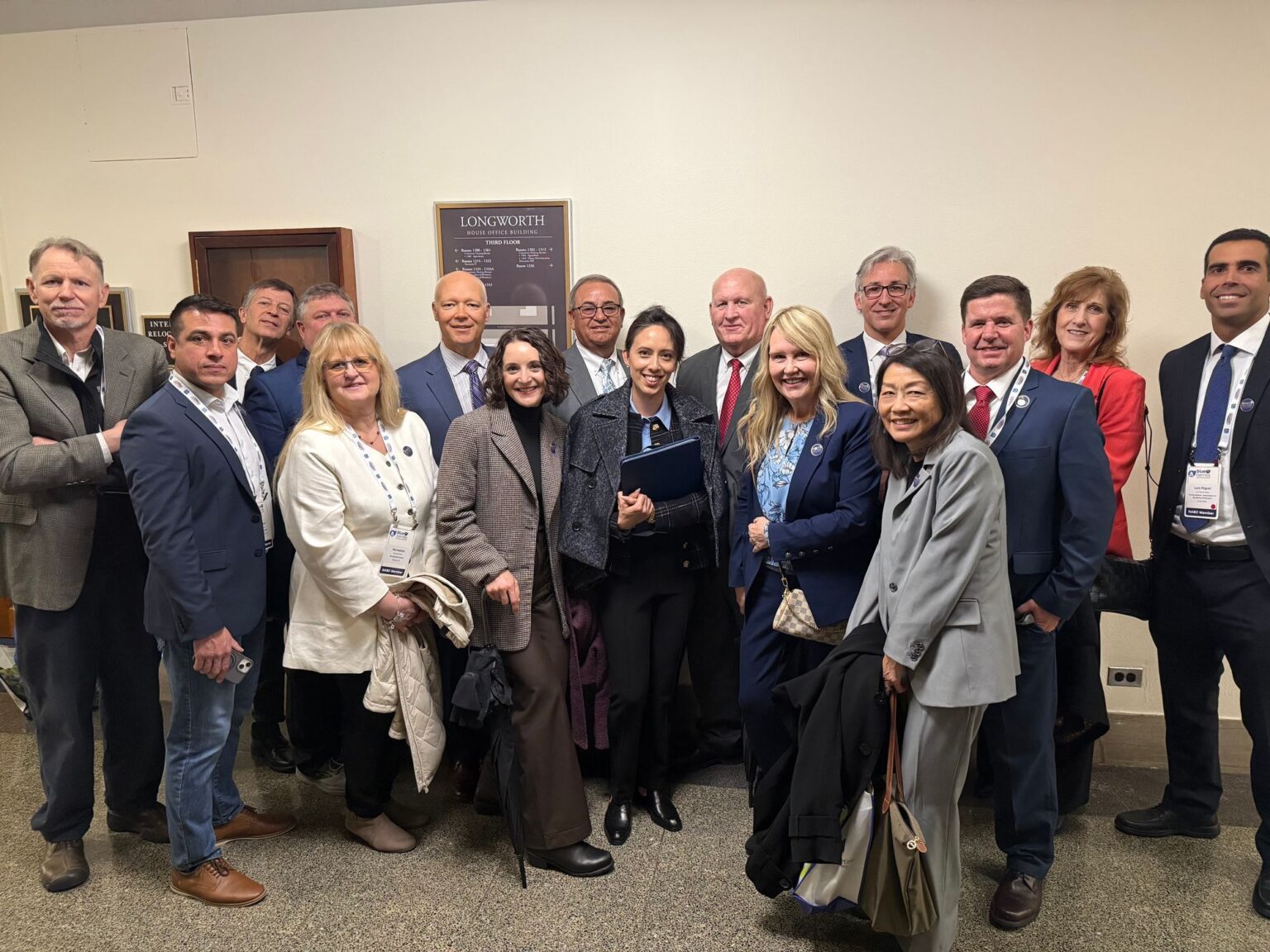
As mentioned above, NABC presented Rep. Glenn “GT” Thompson with the Blueberry Pinnacle Award during a meeting just outside the chamber where the House Agriculture Committee was marking up the farm bill. Each year, the NABC presents the award to a distinguished member of Congress who has demonstrated outstanding leadership in advancing policies that enhance the competitiveness of U.S. blueberry growers.
Thompson, chair of the House Committee on Agriculture, is a leading voice for U.S. agriculture and a steadfast champion for policies that support the specialty crop industry, rural communities and family farms. In his role as chair, Thompson has delivered key policy wins, including strengthening crop insurance through increased premium subsidies and expanded coverage options in major legislation such as H.R. 1, as well as enhancing the Tree Assistance Program (TAP) to better support growers recovering from natural disasters.
With deep roots in Pennsylvania agriculture and decades of public service, Rep. Thompson continues to advocate for a comprehensive farm bill and meaningful agricultural labor reform that address the unique needs of specialty crop producers, including blueberry growers.
We’re grateful for Rep. Thompson’s unwavering support of the blueberry industry!
Red, White and Blueberry Reception
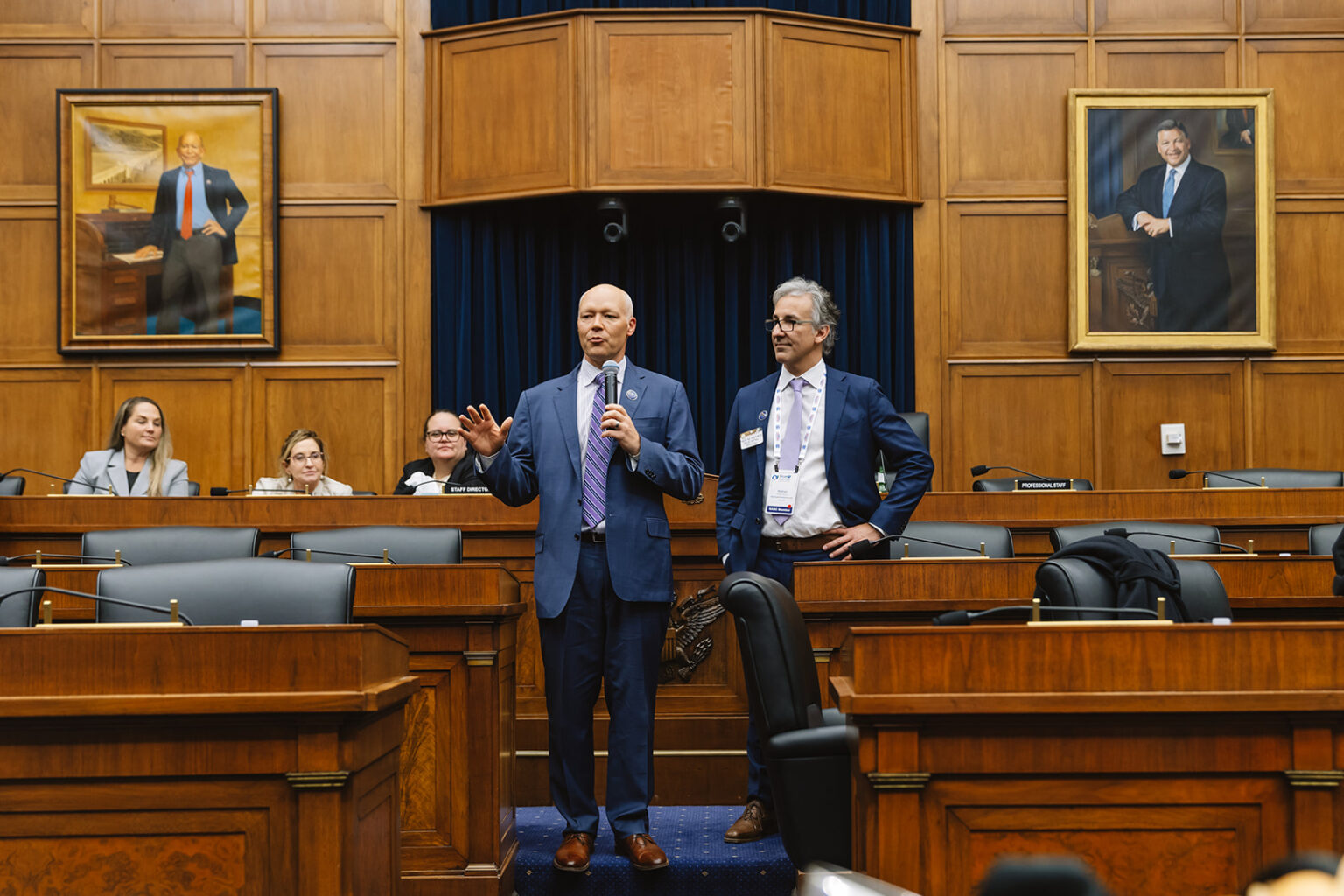
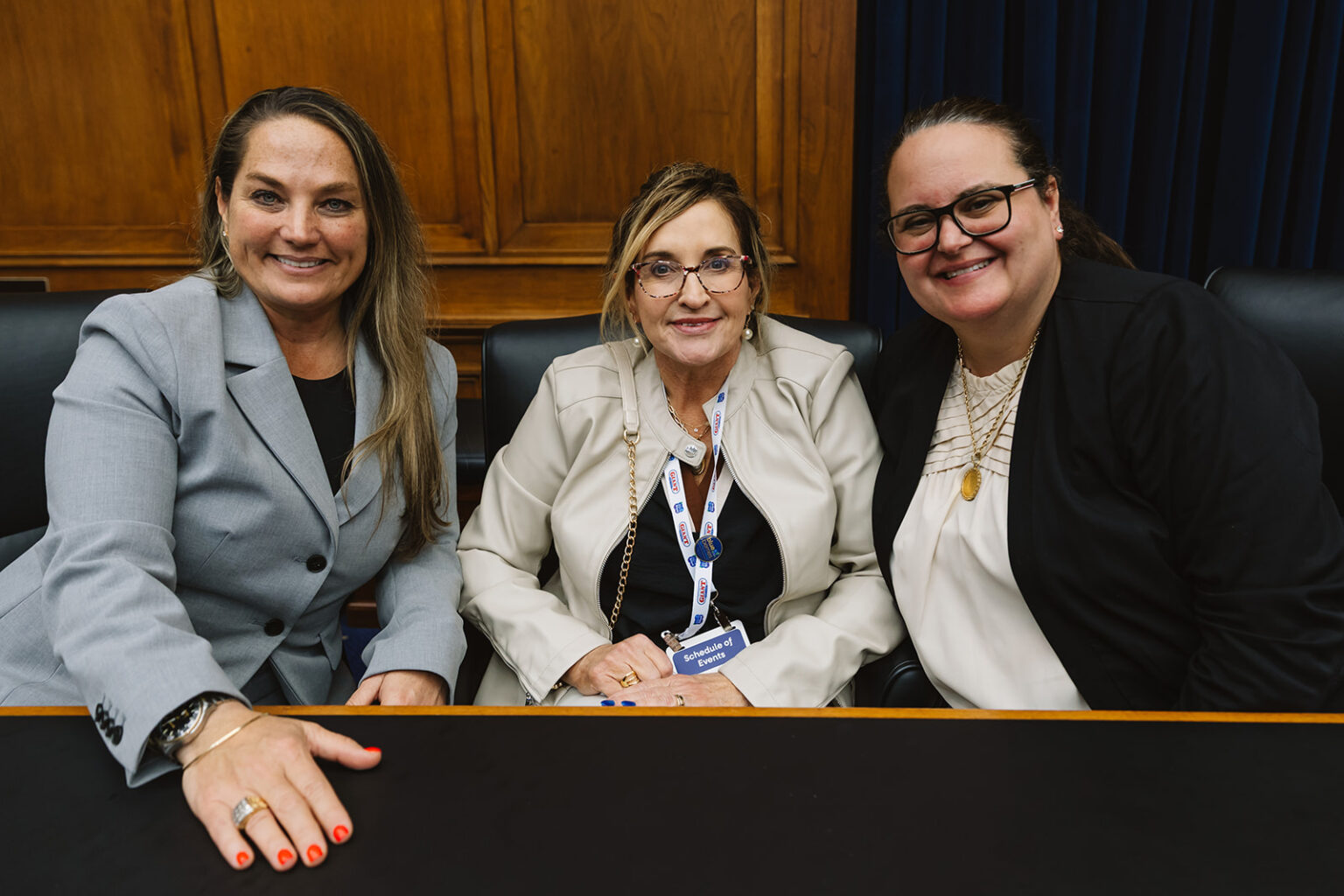
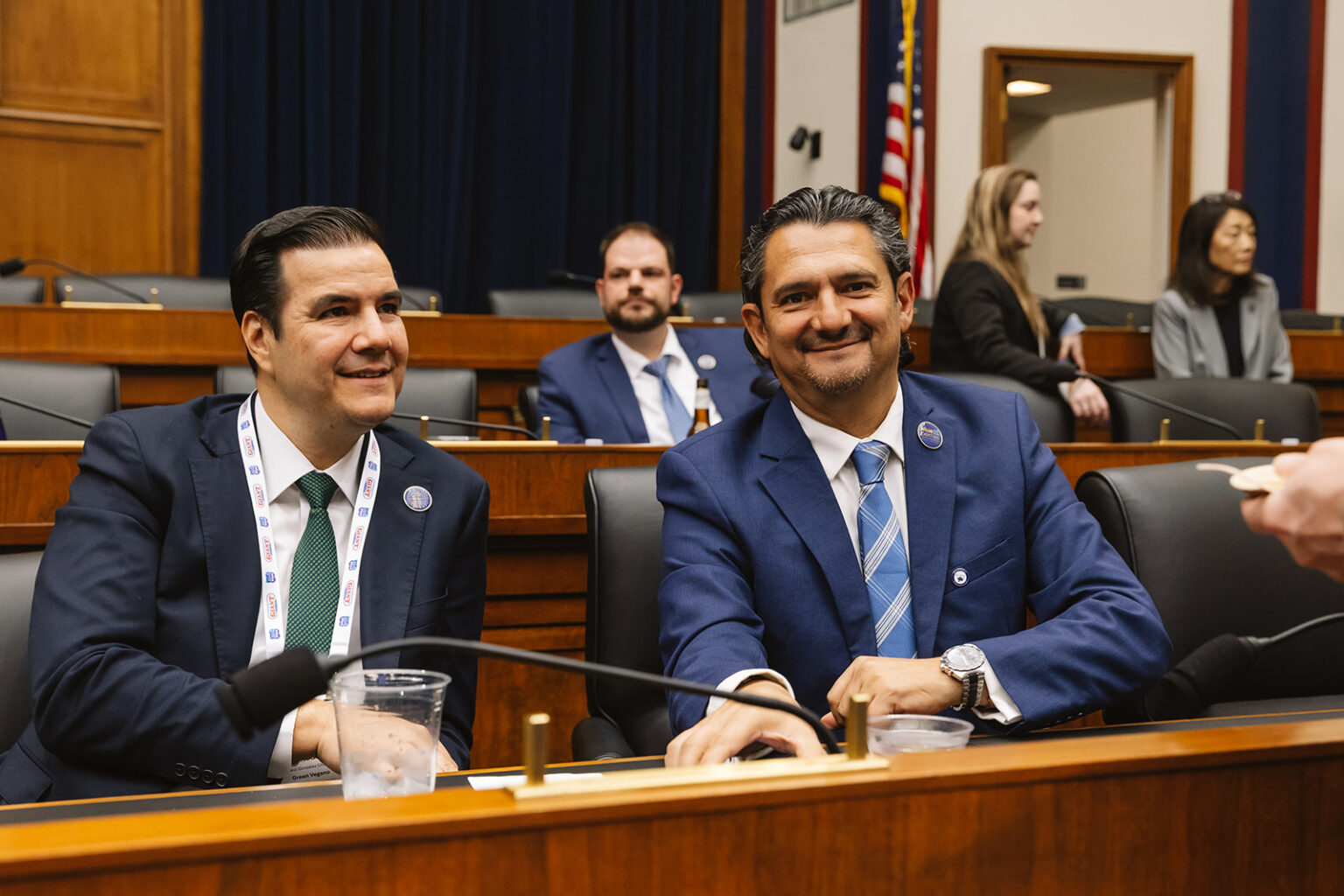
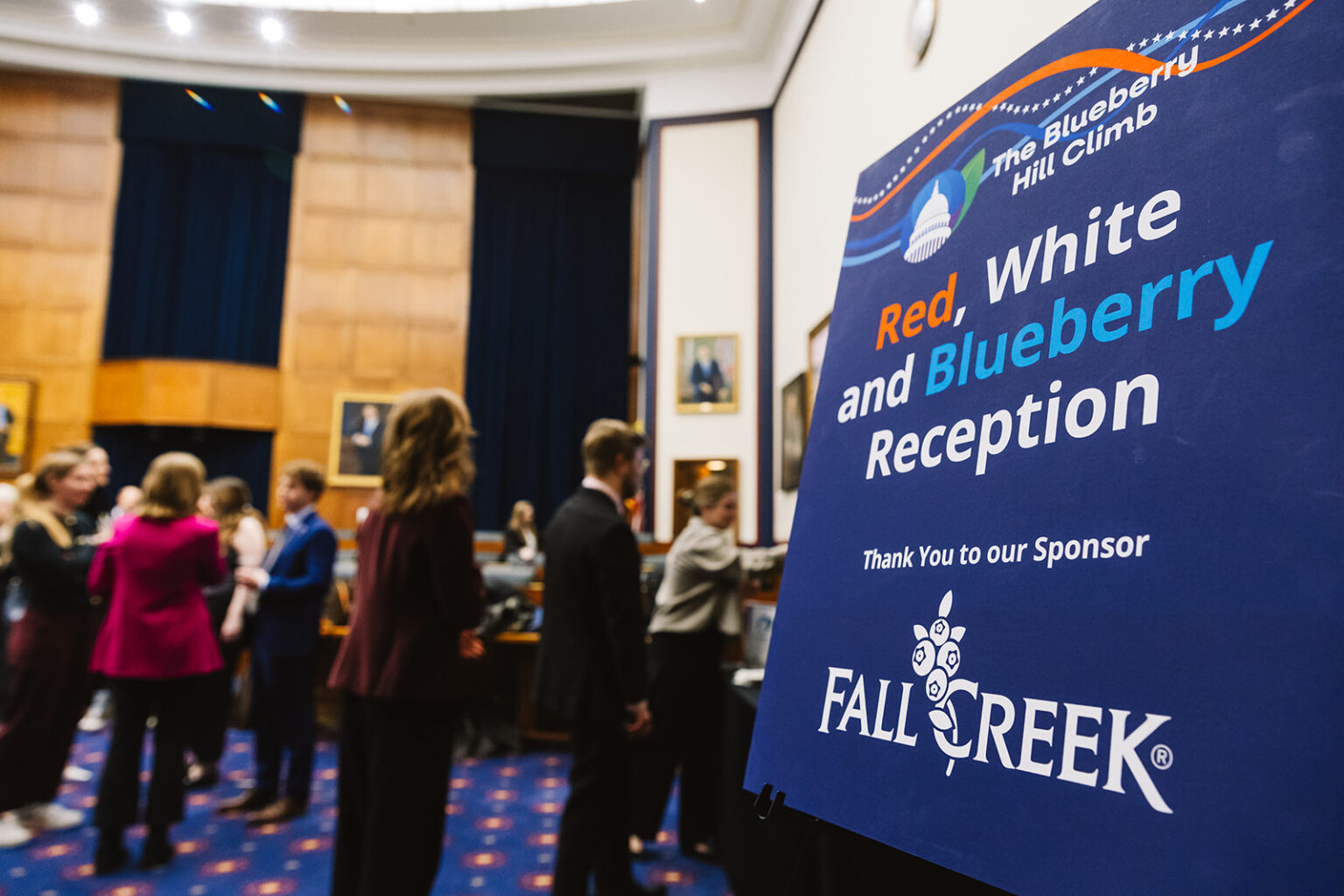
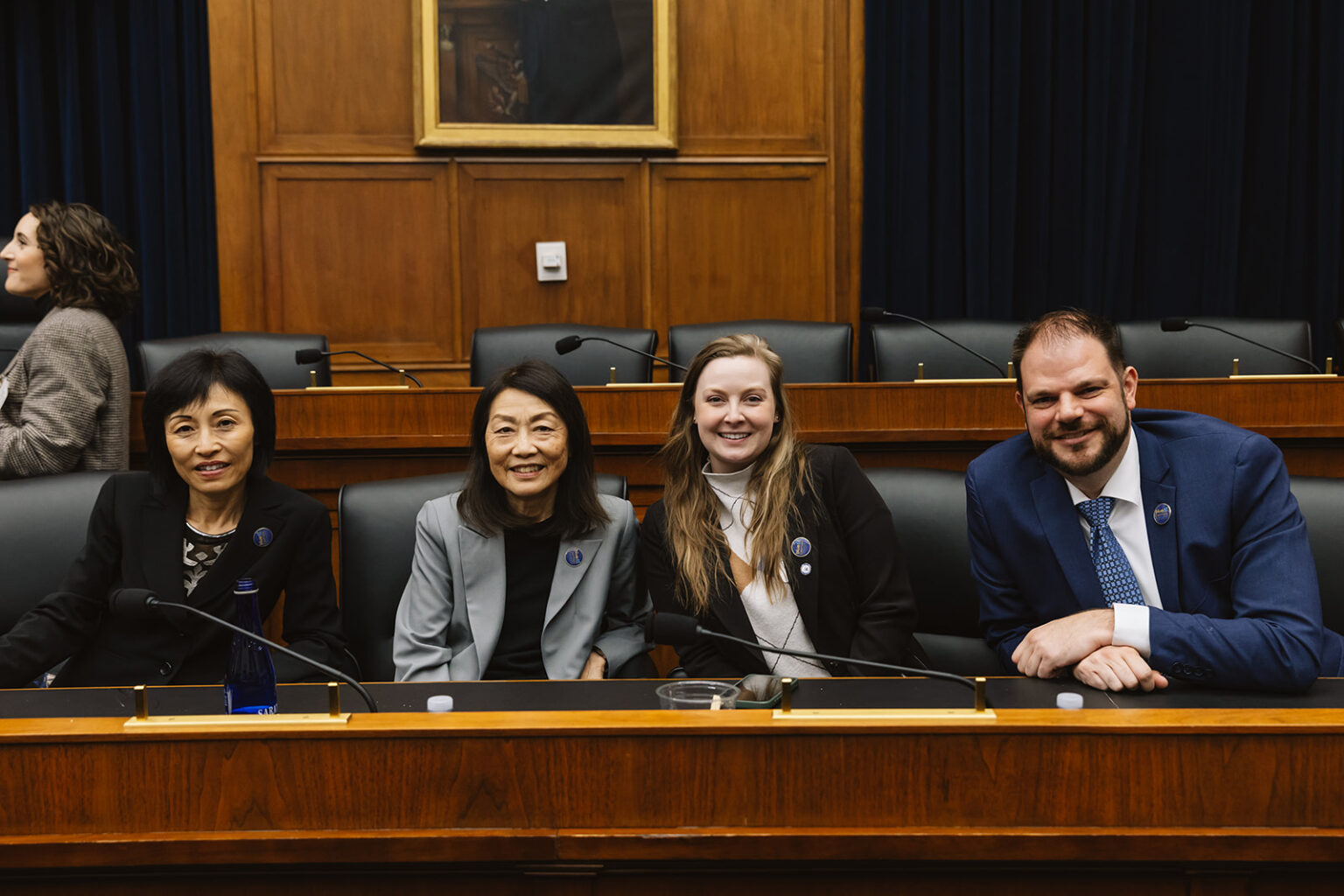
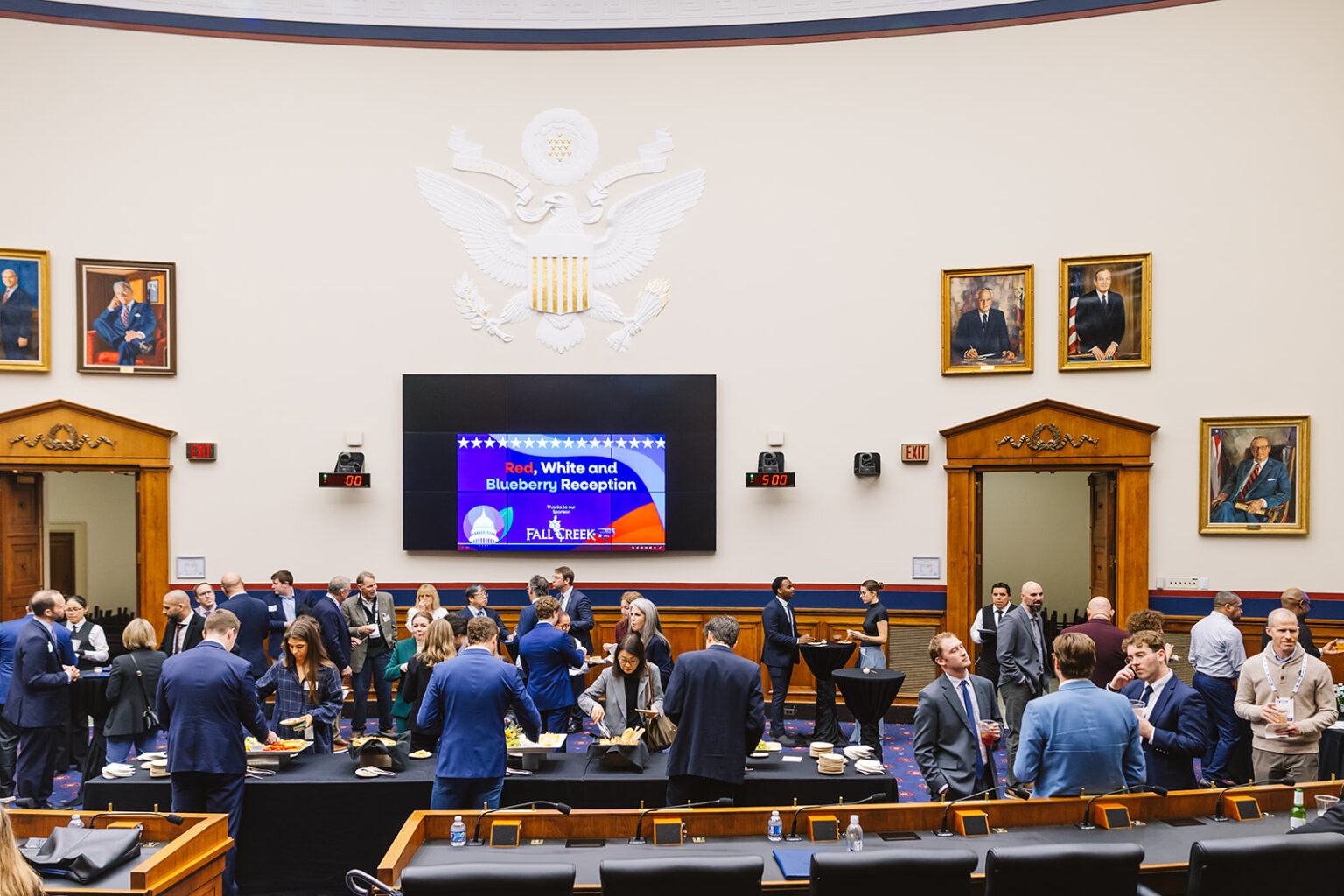
The Red, White and Blueberry Reception was attended by members of Congress, congressional staff and industry leaders to celebrate the growing impact and value of the U.S. blueberry industry.
Many thanks to Fall Creek for sponsoring this event – which was the perfect way to wrap up a powerful and action-packed day on Capitol Hill.
A big thanks also goes out to all who joined our delegation. We appreciate your hard work and dedication to advocating for the blueberry industry.